
Summary
A recent incident at a government hospital in Kanpur, Uttar Pradesh, has highlighted ongoing issues of discrimination faced by Muslims in India. A Muslim woman was denied medication because she refused to remove her hijab, sparking outrage and raising questions about the treatment of religious minorities under the current political climate dominated by the BJP and its affiliated organizations.
The Incident at Ursula Horsman Memorial Hospital
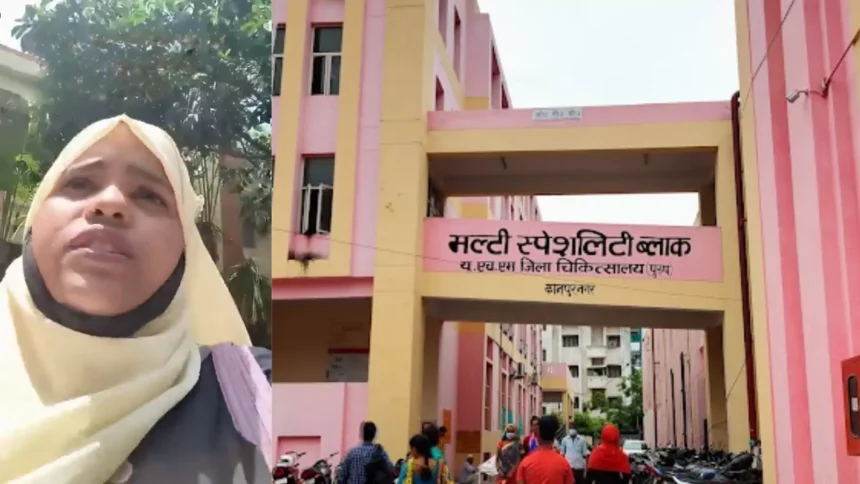
The incident transpired at Ursula Horsman Memorial Hospital, where the woman was instructed by two female doctors to remove her hijab before being allowed to access her prescribed medicines. Citing security concerns related to past incidents of theft within the hospital, the doctors maintained that the directive was necessary, despite the woman’s protests.
In a video that gained traction on social media, the woman expressed her confusion and frustration, stating, “I can understand being asked to remove a mask for identification, but why should I remove my hijab?” She pointed out that the hospital had surveillance systems in place, questioning the doctors’ rationale for enforcing such a rule.
Claims of Discrimination and Marginalization
The woman further articulated her belief that the policy was being applied selectively, emphasizing that non-Muslim women were allowed to enter the hospital without similar restrictions. “Why are only Muslim women being targeted?” she asked, describing the situation as humiliating and discriminatory.
This incident is not an isolated case but part of a broader trend where visible markers of Islamic identity face heightened scrutiny. Critics argue that these actions contribute to a growing sense of marginalization and exclusion of Muslims in India, particularly in regions governed by the BJP, where government policies often reflect religious biases.
Reactions and Social Media Outcry
The backlash to the incident has been swift, with widespread condemnation across various social media platforms. Activists, community leaders, and netizens have vocalized their concerns regarding the implications of linking religious attire to security issues, contending that such measures fuel intolerance and bias against Muslims.
Many expressed that the growing emphasis on security is used as a pretext to undermine the rights of religious minorities. The discourse surrounding this incident has galvanized a renewed focus on the treatment of Muslims in India and the need for policies that uphold equality and religious freedom.
Why It Matters
This incident signals a worrying trend in the treatment of religious minorities in India, particularly under BJP-led governance, which has witnessed a rise in communal tensions. For an informed global audience, understanding these local dynamics is crucial. They illustrate how political ideologies can shape societal attitudes and policies, affecting the day-to-day lives of individuals. Additionally, acts of discrimination like these signal a potential erosion of secularism and inclusivity in policy-making, raising alarms about human rights and social justice in the context of a diverse nation.
Frequently Asked Questions
What happened in the Kanpur hospital?
A Muslim woman was denied her prescribed medicines at a government hospital in Kanpur because she refused to remove her hijab, which doctors claimed was a security necessity.
What are the broader implications of this incident?
This incident reflects ongoing discrimination against Muslims in India, particularly under the political climate fostered by the BJP, creating an environment of marginalization.
Why do critics view this as discriminatory?
Critics argue that the enforcement of such policies selectively against Muslim women highlights systemic discrimination, as non-Muslim women were allowed entry without similar restrictions.
How has the public reacted to this situation?
The incident has sparked widespread outrage on social media, with many activists and community members calling attention to the treatment of Muslims and demanding accountability and fairness in healthcare access.