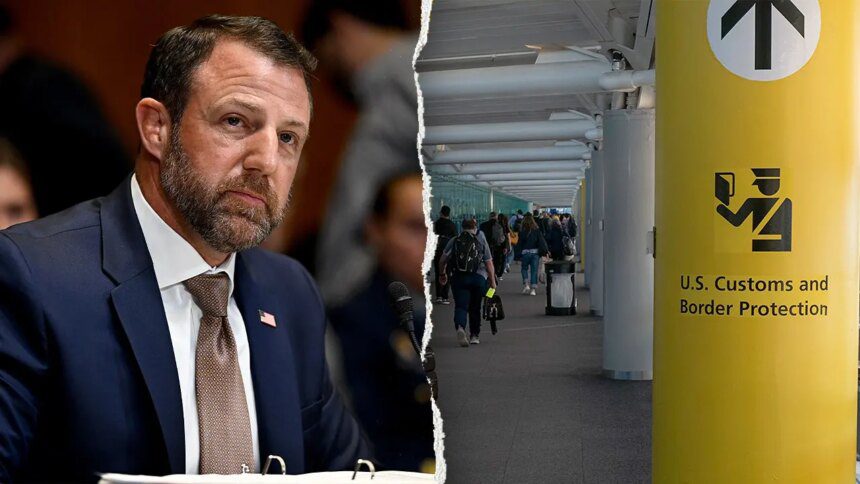

In the ongoing debate over immigration policies in the United States, Republican senators are endorsing potential repercussions for sanctuary cities, sparked by Homeland Security Secretary Markwayne Mullin’s proposal. This initiative, which involves withdrawing Customs and Border Protection (CBP) officers from airports in non-cooperative jurisdictions, raises significant concerns about international travel and airport operations.
Proposed Repercussions for Sanctuary Cities
Markwayne Mullin’s suggestion to impose consequences on sanctuary cities stems from frustrations over their refusal to support federal immigration authorities. During a recent interview, Senator Lindsey Graham (R-S.C.) voiced his support for such measures, stating, “I think there should be consequences to cities and states that undercut federal law.” This reflects a growing sentiment among some GOP lawmakers who believe that sanctuary policies undermine national security and law enforcement efforts related to immigration.
Mullin’s plan could see CBP officers pulled from major airports in cities that limit or refuse cooperation with Immigration and Customs Enforcement (ICE). If implemented, this action would have far-reaching impacts, particularly on international air travel, creating a scenario where travelers would be unable to clear customs upon arrival or departure, effectively halting flights into a number of major U.S. airports.
Concerns from Opposition
The proposed changes have not gone unnoticed by Democrats and travel officials, who are alarmed by the implications for both travelers and the economy. Transportation Secretary Sean Duffy expressed clear opposition to the idea, underscoring the importance of maintaining open travel, especially as international events like the upcoming World Cup are expected to attract millions of visitors to the U.S.
Critics argue that removing CBP personnel from sanctuary city airports would not only disrupt international travel but could also hinder the safe return of American citizens traveling abroad. Senators like Deb Fischer (R-Neb.) emphasized that cities that declare themselves sanctuary jurisdictions must also consider the consequences of their decisions, though the potential for chaos in customs operations has raised alarms across party lines.
Mixed Responses from GOP Senators
Responses among Republican senators have varied, with some expressing the need for additional information before committing support. Senator Josh Hawley (R-MO) remarked, “I need to learn more about it,” reflecting a cautious approach among his colleagues. Others, like Senator Ashley Moody (R-Fla.) and Senator Lisa Murkowski (R-Alaska), echoed similar sentiments, asking for further clarity regarding the proposal’s logistics and implications.
This mixed response indicates that while the idea may have traction, there are still significant concerns about its practicality and consequences. As discussions continue, the potential for bipartisan opposition remains strong, particularly from states and cities that could be adversely affected by such measures.
Why This Is Trending
This topic has garnered heightened attention in India as global immigration policies become increasingly scrutinized. With significant expatriate populations and numerous Indians traveling internationally, the implications of U.S. immigration policies resonate deeply. Moreover, as international travel rebounds and mega-events like the World Cup approach, clarity on these policies is crucial for many planning to travel to the U.S. This situation is not merely an American issue; it touches the lives of countless families and business interests linking India and the U.S.
Frequently Asked Questions
What exactly is a sanctuary city?
A sanctuary city is a municipality that adopts policies to resist certain federal immigration enforcement actions, often to avoid deportation of undocumented immigrants and to foster trust within immigrant communities.
What are the proposed actions against sanctuary cities?
The proposed actions involve withdrawing federal Customs and Border Protection officers from airports located in sanctuary jurisdictions, which would prevent international travel operations in those areas.
Who is Markwayne Mullin, and what role does he play?
Markwayne Mullin is the U.S. Secretary of Homeland Security. He has proposed the idea of pulling federal immigration enforcement from sanctuary cities as a response to their policies against federal immigration laws.
Why is this proposal controversial?
The proposal is controversial because it could severely disrupt international travel, impede the operations of major airports, and have broader economic implications, especially as the U.S. prepares for high travel volumes due to upcoming global events.