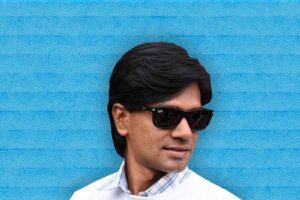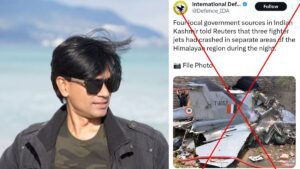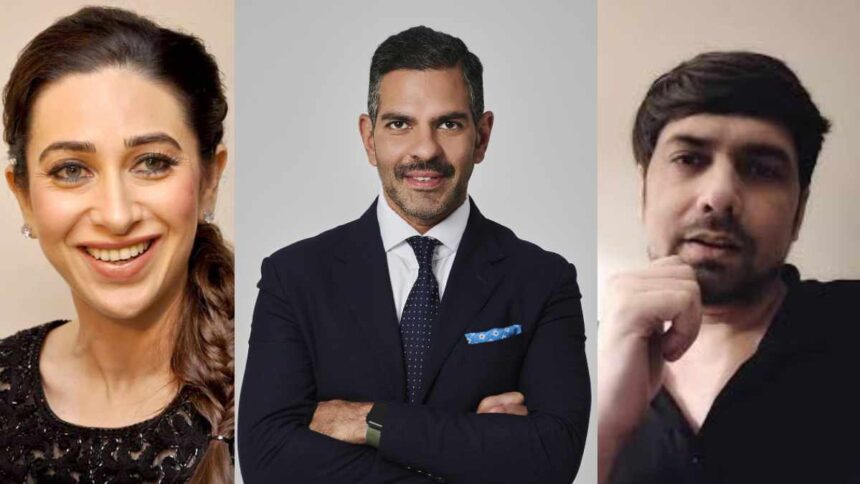

Dr. Neelam Singh, also known as “The Skin Doctor,” was arrested after he posted a controversial tweet regarding the inheritance dispute of the Kapur family, following the death of businessman Sunjay Kapur. The tweet questioned the legitimacy of Kapur’s will, leading to legal action from the deceased’s widow, Priya Sachdev Kapur.
Background of the Case
Sunjay Kapur, a prominent businessman and former husband of actress Karisma Kapoor, died in June 2025 during a polo match in London. His death revealed a fierce legal battle over his estimated Rs 30,000 crore estate, exacerbating already existing familial tensions. The wealth has drawn significant media attention and resulted in ongoing hearings in the Supreme Court, where former Chief Justice DY Chandrachud was appointed as a mediator to resolve the dispute. Justice JB Pardiwala, during a recent hearing, humorously remarked that the conflict resembled the epic Mahabharat in its scale and complexity.
Details of the Arrest
Singh’s tweet cast suspicion on the timing of Sunjay Kapur’s will, implying it may not have been executed under genuine circumstances. This tweet was met with outrage from Priya Sachdev Kapur, who termed Singh’s claims as false and fabricated, leading her to file a complaint at the Vasant Kunj Police Station. Following the complaint, Singh was arrested, and a police request for two days of custody ensued. He was taken to Patiala House Court, where he was granted bail within an hour. His lawyer, senior advocate Mahesh Jethmalani, described the charges as baseless and frivolous, indicating the potential implications for free speech in the context of social media commentary.
Impact on Free Speech and Social Media Regulation
The arrest of Dr. Neelam Singh raises significant concerns regarding freedom of expression, particularly for individuals who express their views on social media platforms. In India, the legal landscape surrounding social media is complex, with laws that sometimes limit individual expression in the face of public figures or sensitive issues. Singh’s situation highlights a critical tension between personal opinion and legal repercussions, especially when it involves the portrayal of wealthy or powerful families. As social media influencers increasingly engage in discussions of socio-political relevance, the boundaries of acceptable speech are becoming ever more contested.
Why This Matters
This incident poses broader implications for the discourse surrounding freedom of speech in India, particularly in a digital landscape where public figures are frequently scrutinized. The tension between critique and potential legal action could dissuade individuals from expressing their views on sensitive topics. Moreover, as socio-political issues intertwine with personal grievances, the resulting legal battles could shape public perceptions of authority and justice. Observers are likely to monitor this case for insights into how social media commentary may be regulated in the future, impacting both influencers and the general public.
Frequently Asked Questions
What did Dr. Neelam Singh tweet that led to his arrest?
Dr. Neelam Singh tweeted about the legitimacy of Sunjay Kapur’s will, questioning whether it was executed with genuine intent close to his death. This led to a complaint from Kapur’s widow, asserting that the claims were false.
What is the stake in the Kapur family inheritance dispute?
The dispute centers around an estate valued at approximately Rs 30,000 crore, raising significant concerns and disputes among family members over inheritance and legitimacy.
What does this incident reveal about free speech in India?
This case illustrates the delicate balance between freedom of expression and legal liabilities in India, particularly concerning public figures and social media commentary. It poses questions regarding the regulatory environment surrounding digital discourse.
How might this case affect social media influencers in the future?
The outcome of this case may set a precedent for how social media influencers engage with controversial topics, potentially deterring open dialogue or criticism due to fear of legal repercussions.