
The Textile Ministry has initiated an assessment of natural gas supplies across all textile and handicraft clusters in India to identify potential shortages. This decision follows assurances from GAIL (India) Limited, a public sector energy corporation, that it can source gas from the spot market to address any supply disruptions, albeit likely at a higher cost to industrial units.
A source close to the situation reported, “GAIL has confirmed it is currently meeting at least 80 percent of the natural gas requirements for these clusters, which are classified as a priority sector. However, in the event of further supply shocks and disruptions, the agency is prepared to procure from the spot market to meet demand. But the higher prices would likely be borne by the units.”
India has over 500 textile and 700 handicraft clusters, many of which rely on natural gas for processes such as high-temperature dyeing and operating machinery and furnaces.
Natural gas supplies have faced constraints due to significant disruptions in global energy trade routes, primarily stemming from the conflict in West Asia and the prolonged blockade of the Strait of Hormuz. According to government figures, India’s total natural gas consumption stands at approximately 189 MMSCMD (million metric standard cubic meters per day), with 97.5 MMSCMD produced domestically and the remainder imported.
Notably, about 47.4 MMSCMD, or 25 percent of India’s gas supplies, have been impacted due to force majeure conditions invoked by major Gulf-based producers amid ongoing geopolitical tensions.
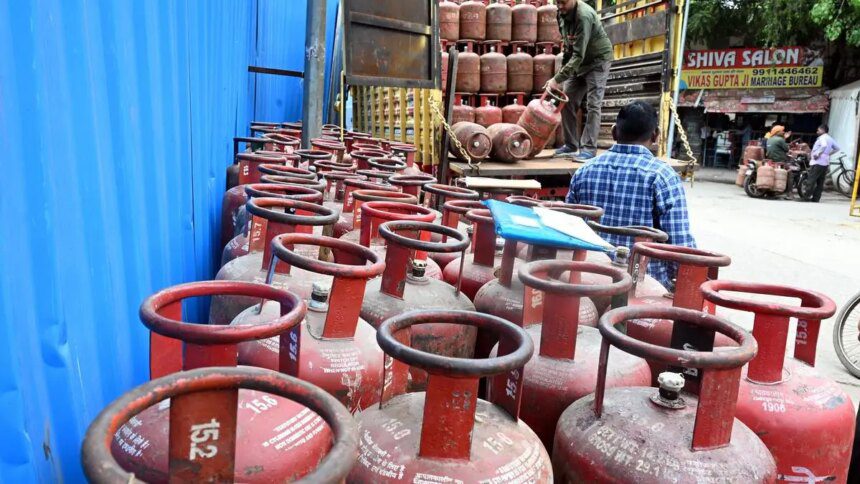
The textile and handicraft sectors in regions such as Surat and Sanganer are currently grappling with significant natural gas and LPG shortages, leading to partial or full shutdowns of some units and forcing workers to return to their hometowns.
The glass industry in Ferozepur has been particularly distressed due to the lack of natural gas. A source indicated that the government is focusing on addressing shortages in this sector to protect workers’ livelihoods.
To prevent more crises similar to that in Ferozepur, the Textile Ministry’s assessment of all textile and handicraft clusters is being carried out by an internal monitoring group.
In response to the ongoing challenges, the government issued a Natural Gas Control Order on March 9, 2026, under the Essential Commodities Act to manage gas supplies and safeguard priority sectors.
Published on May 3, 2026