
India’s tuberculosis (TB) response has experienced a significant transformation. In 2025, over 2.6 million TB patients were reported, marking the highest number ever recorded. This increase is not a setback; rather, it signifies progress. Identifying more cases is indicative of success during the initial stages of elimination, meaning that fewer infections are going undetected or spreading silently.
This shift is already yielding results. India is reducing TB incidence at nearly double the global average, a feat that is achievable only when patients are diagnosed promptly and treated thoroughly. Historically, diagnosis has been the most challenging aspect of TB management. Currently, worldwide, more than 3 million TB patients remain undiagnosed, allowing the disease to proliferate unnoticed. India’s response is changing this narrative by actively reaching out to those in need rather than waiting for patients to seek care.
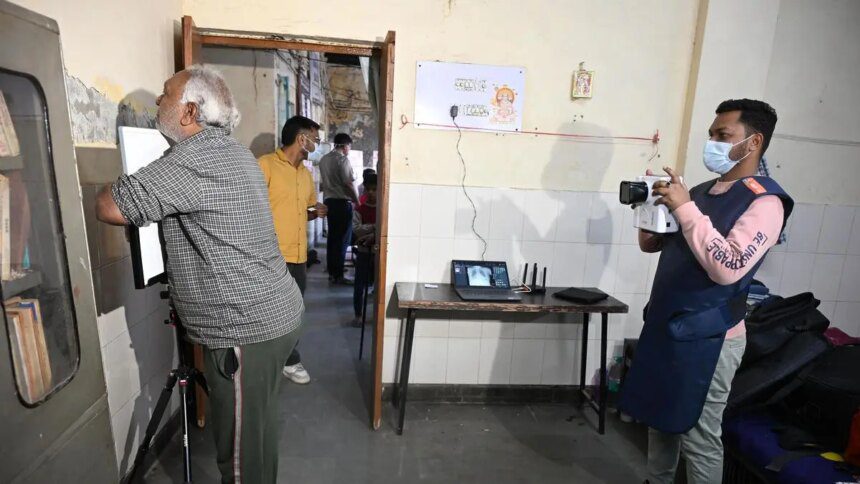
Today, diagnostic capabilities are being brought closer to communities. Portable, handheld X-ray devices powered by artificial intelligence facilitate on-the-spot screenings, even in remote areas. Additionally, molecular diagnostic tests at the district level can detect TB and drug resistance within two hours, significantly minimizing delays and ensuring follow-ups.
Emerging evidence is reshaping our understanding of TB; a considerable number of patients might not exhibit any symptoms, such as cough or fever, yet still transmit the disease. India’s large-scale community screening initiatives are beginning to address this gap. Under the TB Mukt Bharat Abhiyan initiative, a notable proportion of detected patients were asymptomatic, highlighting the necessity of proactive screening.
Looking ahead, the future of TB testing is promising, featuring remarkable patient-centric tools that ensure affordability, decentralization, and potentially even self-administration. These innovations can make testing faster, simpler, and more user-friendly. Rapid triage tests that utilize finger-prick blood samples can identify likely TB cases within minutes, allowing frontline workers to focus on confirmatory testing. Furthermore, artificial intelligence is paving new avenues—smartphone applications are being developed to analyze cough sounds, broadening access to screening through commonly available devices.
Innovation is also addressing longstanding barriers such as reliance on sputum samples, with non-invasive options like tongue swabs and urine-based tests emerging. This development particularly advantages children, the elderly, and individuals unable to produce sputum.
A significant aspect of this evolving landscape is the expansion of molecular testing. Advances in open-platform PCR technologies promise to make high-quality diagnostics more affordable and accessible, reducing reliance on proprietary systems and speeding up test results. The diagnostic infrastructure developed during the Covid-19 pandemic opens further opportunities to expand TB testing. India has already created homegrown solutions based on this technology, which can deliver results in under an hour, at a cost reduction of up to 80% compared to standard PCR tests.
These advancements also facilitate a more integrated approach to healthcare. New diagnostic platforms can simultaneously screen for TB, HIV, and diabetes, enhancing early detection and streamlining patient care pathways.
The momentum is evident, and the challenge now is to ensure that these innovations are integrated at every level of the healthcare system, reaching every patient who requires them. Bridging the detection gap is not just a phase in the journey—it is a critical foundation for eliminating TB.
Madhav Joshi serves as the CEO at India Health Fund, a Tata Trusts initiative.