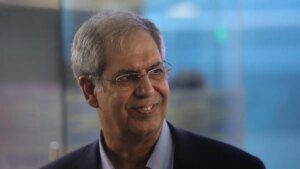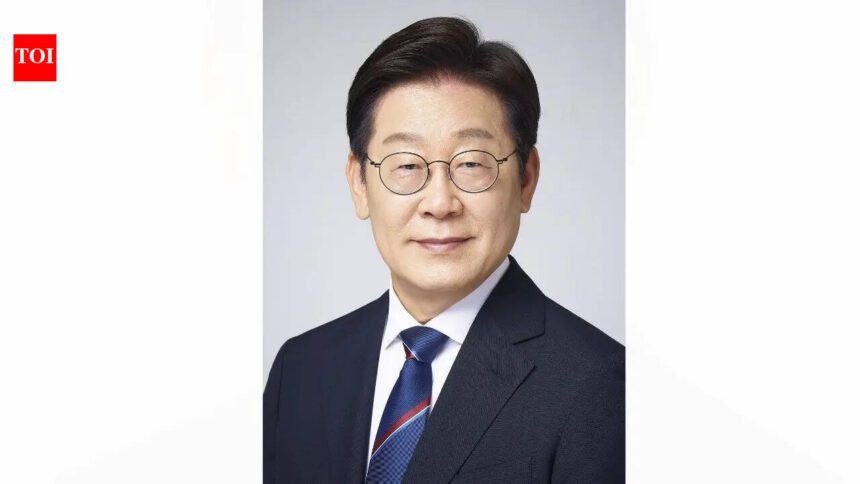

As South Korean President Lee Jae Myung arrived in India for a State visit, he emphasized the need for closer collaboration between Korea and India as emerging global leaders amid heightened geopolitical uncertainty. During an exclusive interview with the Times of India, Lee remarked that while Korea has achieved remarkable economic growth under a multilateral trading framework, India is poised to shape new global rules due to its economic scale and dynamism.
Addressing concerns over China’s dominance in critical minerals, Lee stated that reducing excessive dependence on any single country has become essential for the economic security of both nations. He noted that ensuring the security of critical maritime routes, particularly through the Strait of Hormuz, is vital for the survival of both India and Korea. He assured that Korea is committed to maintaining freedom of navigation in this key energy waterway.
The President highlighted a focus on defense industrial collaboration, stating that Seoul will fully support India’s initiative for independent defense equipment production while exploring avenues for joint technology development and co-production. Lee shared his vision for a special strategic partnership, focusing on key areas such as trade, technology, critical minerals, defense, and shipbuilding, in which South Korea excels.
In the interview, Lee articulated the significance of the India-Korea partnership, especially in today’s geopolitical climate. “Our partnership is anchored in highly complementary economies and shared core values of democracy and market economy,” he stated. He highlighted a key priority: accelerating negotiations to upgrade the Comprehensive Economic Partnership Agreement (CEPA) to expand cooperation beyond traditional sectors into shipbuilding, finance, and defense.
Lee underscored the potential synergy between Korea’s advanced artificial intelligence infrastructure and India’s vast pool of AI talent. He expressed optimism about generating meaningful projects through collaboration and emphasized the importance of cultural exchange, aiming to combine the cultural strengths of both nations—like Bollywood and K-Culture.
When discussing the Strait of Hormuz, where both nations rely heavily on energy supplies, Lee reiterated that cooperation is vital for ensuring the safe passage of vessels. He assured that Korea would closely communicate with India regarding maritime safety and would work together in international forums to uphold their shared commitments.
On defense, President Lee pointed to the successful co-production of K9 Vajra howitzers as an example of strengthening strategic partnerships. He expressed full support for India’s Atmanirbhar Bharat initiative, emphasizing the need for cooperation in technology transfer to enhance India’s self-reliance in defense manufacturing. With over 60% of the K9 Vajra manufacturing process taking place in India, Seoul looks to foster additional joint technology development.
Lee acknowledged global supply chain reconfigurations and the necessity for both countries to diversify their resources to enhance economic security, particularly in critical minerals. India’s reserves in these minerals combined with Korea’s advanced manufacturing capabilities present a unique opportunity for mutual cooperation.
Highlighting maritime sector collaboration, Lee noted Korea’s expertise in shipbuilding and logistics as critical for India’s aspirations to become a global manufacturing hub. He mentioned that relevant memorandums of understanding are expected to be signed during this visit, sparking optimism for future joint ventures in shipbuilding.
Finally, on the topic of the United States’ commitment to the Indo-Pacific under changing leadership, Lee stressed the importance of a stable international order in the face of rising protectionism and restructuring global supply chains. He highlighted that the interconnectedness of the Indian and Pacific Oceans requires collaborative efforts from regional countries, including Korea, to strengthen multilateralism and advance a rules-based order.