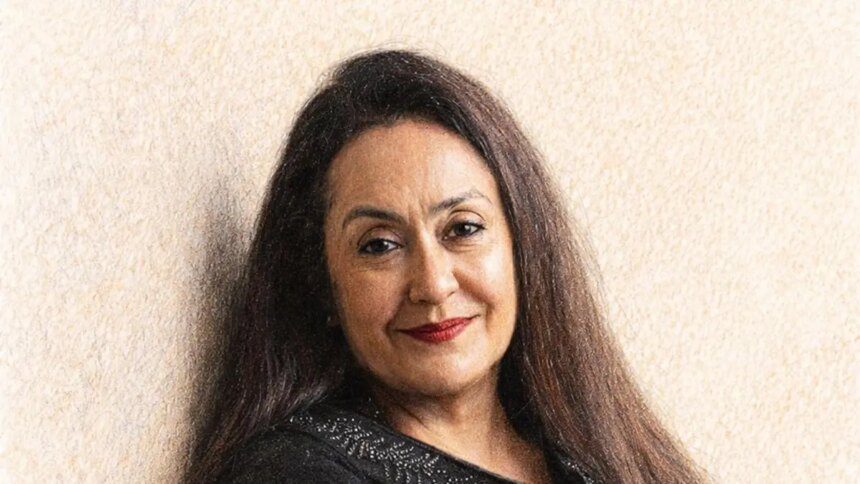

In April, the Lalit Suri Hospitality group initiated a significant transformation known as Lalit 2.0, marking the second major overhaul for the organization, as noted by Chairperson and Managing Director Jyotsna Suri. Established in 1988 under the name Bharat Hotels by her late husband Lalit Suri, this latest evolution follows the group’s first rebranding after his death in 2006 when Jyotsna took over leadership and renamed it The LaLiT, creating a unique identity with the ‘L’ in the logo resembling the trunk of Lord Ganesha. The group, initially operating six hotels, has expanded to 12 properties along with two mid-segment hotels.
Suri explained the rationale behind this new phase, highlighting the financial difficulties faced during the Covid-19 pandemic, which led to the suspension of various projects, including a planned hotel in Ahmedabad. “We’re out of that financial crunch now and sitting in a very good position. Therefore, we are raring to go forward,” she stated.
When questioned about The LaLiT’s comparatively modest portfolio of 14 hotels versus larger chains like Taj, Radisson, and Marriott, which aim for extensive expansions, Suri clarified the group’s distinct focus. “Every hotel chain has the right to decide their business strategy. We’ve never been in the business of growing inventory. We uniquely own and manage all our hotels,” she emphasized.
Although Suri expressed contentment with their current model, she acknowledged plans to undertake select management contracts under the Lalit Traveller brand, albeit without a sense of urgency to expand rapidly.
During an interview at The LaLiT on Barakhamba Road, held in her art-filled private office rather than a typical restaurant setting, Suri explained her preference for straightforward discussions without the distraction of meals. She described her eating philosophy as purely functional, except for a fondness for Delhi’s chaat.
The LaLiT’s strategic approach differs from many other hotel chains, focusing on developing underrepresented destinations rather than chasing trends. For instance, Suri mentioned that The LaLiT was among the pioneers in Bekal, Kerala, a project that took over 15 years due to accessibility challenges. The same goes for Khajuraho and an eco-friendly resort in Mangar, which is off the conventional tourist path. A Lalit Traveller property is also imminent in Chitrakoot, Bundelkhand.
Suri’s motivations blend pragmatism and emotional ties. “I don’t build hotels for numbers; I create them for the essence of each city,” she asserted. Regarding the anticipated hotel in Ahmedabad, she assured it would be completed in time for the Commonwealth Games, designed with inspiration drawn from Gandhi’s era.
“We have always created destinations, not just hotels,” Suri noted, emphasizing the importance of engaging local culture and traditions. Her initiatives include organizing events like the annual Shiv Vivah festival in Khajuraho, attracting notable performers.
As part of FICCI, where she advocates for linking culture with tourism under the term “creative industry,” Suri remains dedicated to both educational and cultural endeavors, evidenced by the Lalit Suri Hospitality School and Step by Step school in the NCR.
With a progressive mindset, she encourages her children’s participation in management roles while they pursue their own projects. Keshav, one of her children, notably petitioned against Section 377, helping The LaLiT become one of the first hospitality groups to endorse UN standards for LGBTQ employees.
When asked to conduct a SWOT analysis, Suri began with strengths, highlighting exceptional locations of all their hotels—from Kashmir to Kolkata and Udaipur to Mumbai. She noted that their property in Kerala sits on an estuary, and the Khajuraho hotel is conveniently located near a UNESCO World Heritage Site.
Suri identified the company’s commitment to being homegrown and rooted in Indian culture as another key strength, pointing out their pioneering introduction of the “Namaskar” greeting tradition. Additionally, she emphasized their inclusivity, stating, “We have approximately 200 transgender employees and hire from marginalized communities,” ensuring that diversity is not merely a checkbox.
Addressing challenges, Suri remarked on the cyclical nature of the hospitality industry, affected by external factors such as fluctuating fuel prices and geopolitical tensions. However, she refrained from labeling these as obstacles, viewing them as inherent to the sector.