
Akshaya Tritiya 2026 is projected to achieve record sales in the precious metals market, with total trade anticipated to surpass ₹20,000 crore, according to the Confederation of All India Traders (CAIT). This represents an increase from last year’s estimated sales of ₹16,000 crore, even as gold and silver prices reach historic levels.
“Akshaya Tritiya is considered one of the most auspicious occasions for buying gold in India. While gold remains the preferred choice, consumer purchasing behavior is significantly changing in response to rising prices,” stated Praveen Khandelwal, Member of Parliament from Chandni Chowk and Secretary General of CAIT.
Gold prices have risen from approximately ₹1,00,000 per 10 grams last year to nearly ₹1.58 lakh this year, while silver prices have soared from ₹85,000 per kg to about ₹2.55 lakh per kg. Rather than suppressing demand, CAIT indicated that the spike in prices is prompting consumers to make “more calculated and value-driven purchases.”
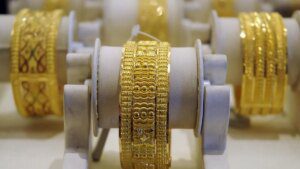
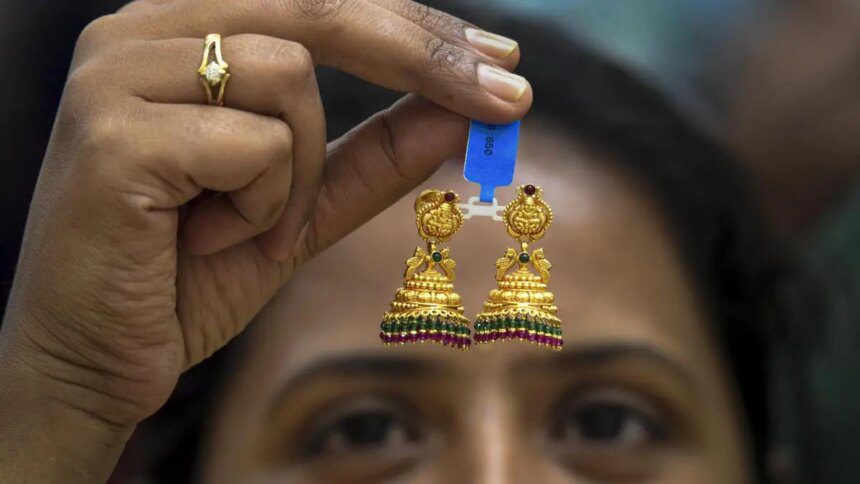
“There is a notable shift towards lightweight, wearable jewellery, combined with an increased interest in silver and diamond items. Promotions, such as reduced making charges and complimentary gold coins, are also helping to retain consumer interest,” commented CAIT National President BC Bhartia. The projected trade of ₹16,000 crore in gold translates to approximately 10,000 kilograms (10 tonnes) at current prices.
Distributing sales among an estimated 2 to 4 lakh jewellers means that each jeweller is selling an average of only 25 to 50 grams, reflecting a significant decrease in sales volume. The ₹4,000 crore silver trade corresponds to about 1,56,800 kilograms (157 tonnes), indicating an average of only 400 to 800 grams per jeweller during the festival. “These figures highlight an essential shift: while the value of trade is rising due to increasing prices, actual consumption is declining,” Khandelwal noted.
This trend explains the growing preference for lightweight jewellery and smaller denomination coins this year. The volatility in prices is also complicating inventory management for jewellers. Despite this, festive shopping remains active, with strong foot traffic in markets. “Consumers are adopting a more cautious and sensible approach, balancing traditional values with financial discipline,” Khandelwal added.
Additionally, there is a discernible shift towards financial instruments like digital gold, Sovereign Gold Bonds, and gold ETFs, which provide liquidity, safety, and flexibility amid fluctuating prices. CAIT and the All India Jewellers and Goldsmith Federation (AIJGF) have encouraged jewellers to adhere to mandatory hallmarking norms, including HUID certification, and advised customers to verify the purity and authenticity of their purchases. “Akshaya Tritiya 2026 thus embodies a unique blend of tradition and modern financial prudence where faith continues to drive demand, but informed choices are reshaping how India invests in gold,” Khandelwal stated.