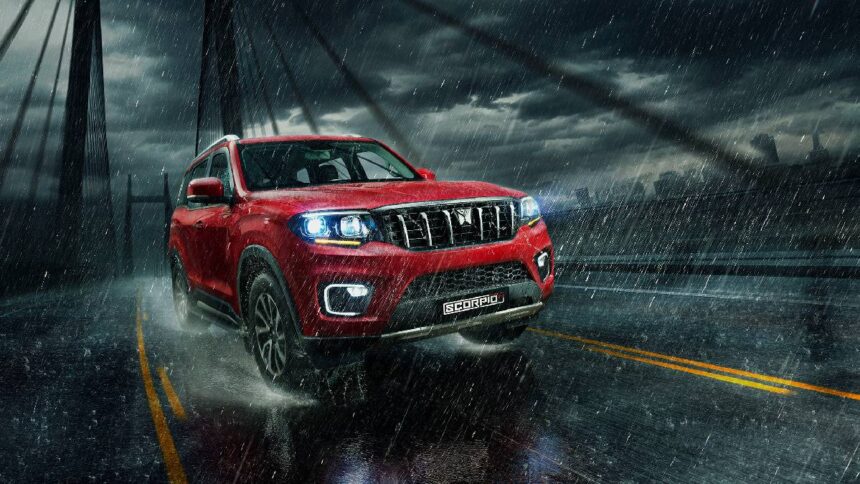
Half of the cars sold in South Africa in 2025 are projected to have ties to India, according to market intelligence firm Lightstone. These vehicles are either produced by Indian manufacturers such as Mahindra and Tata or consist of components sourced from India. Sales figures from the previous year indicate that Mahindra has emerged as a dominant player in the region, particularly with its Pickup series.
Furthermore, Lightstone’s findings reveal that 84 percent of all Japanese-branded light vehicles sold in South Africa in 2024 were imported from India, while only 10 percent were manufactured in Japan.
Shifting Market Dynamics
Despite the perception that a surge in Chinese brands poses the greatest threat to local manufacturers, Lightstone’s data illustrates that a significant portion of South Africa’s imported vehicles actually comes from India. While brands like Haval and Chery have gained substantial visibility on South African roads in recent years, creating a misleading impression of their market dominance, actual figures indicate that Chinese imports represented only 11 percent of vehicle sales in 2024. In contrast, imports from India—either directly or through established Japanese and Korean brands—accounted for 36 percent of vehicle sales that year, slightly below the 37 percent market share held by locally manufactured vehicles.
The Rise of Passenger Vehicle Imports
Excluding pickups and light commercial vehicles, India’s share of the South African automotive market nearly reached 50 percent in the first half of 2025, as reported by Independent Online based on Lightstone data. In the initial five months of 2025, 49 percent of all passenger vehicle sales were attributed to vehicles imported from India. The majority of these imports originate from Maruti Suzuki, which also supplies Toyota with various models, including the Starlet, Starlet Cross, Vitz, and Urban Cruiser.
Andrew Hibbert, an Auto Data Analyst at Lightstone, stated, “The growth in vehicle sales originating in India can be attributed to the large number of vehicle manufacturers now producing vehicles in the country, leveraging the relatively cheap cost of labour and overall manufacturing expenses.”
Concerns for Local Manufacturing
Although analysts acknowledge that this trend offers essential price relief for consumers, it raises concerns for the domestic auto industry. Data from 2009 contrasts sharply with the current situation, showing that around half of all light vehicles sold in South Africa were produced locally, while only 5 percent were imported from India.