The instability in Latin America and the authoritarian regimes that emerged were significantly influenced by elite military training provided by the United States. The U.S. Defense Department trained tens of thousands of military personnel, intelligence agents, and law enforcement officials at the notorious School of the Americas in Georgia. Many of these graduates have since faced accusations of grave human rights violations, including figures identified in a Duke University investigation as being involved in dictatorial regimes and death squads. Notable alumni include Manuel Noriega, Bolivian dictator Hugo Banzer Suárez, Haitian leader Raoul Cedras, and an individual who served as defense minister under Nicolás Maduro.
For years, U.S. administrations justified their support for these regimes through a Cold War narrative, contending that backing oppressive governments was preferable to the potential spread of communism. The exceptional capabilities of the U.S. military and intelligence apparatus made such interventions appealing, leading presidents—ranging from Eisenhower to Trump—to believe that they could achieve swift results by removing or undermining leadership. However, the long-term implications of these actions have often led to complex challenges, which have reverberated through American politics over several decades.
There are both direct and indirect repercussions from these interventions. For example, during the planning of the Bay of Pigs invasion, operative E. Howard Hunt encountered four Cubans whom he later recruited for the Watergate break-in. The effects of U.S. actions in the “Northern Triangle”—consisting of Honduras, Guatemala, and El Salvador—have unleashed destabilizing forces that contributed to significant emigration toward the U.S. border. Millions of individuals fled to the United States in recent years, exacerbating nativist sentiments and contributing to Donald Trump’s rise in politics. Many migrated due to climate change and deforestation, which devastated local agriculture. In Guatemala, military operations aimed at eliminating insurgent haven led to extensive environmental destruction. Jonathan Blitzer’s acclaimed work, Everyone Who Is Gone Is Here, notes that following El Salvador’s civil war in the 1980s—an event Reagan termed “the front line of the battle that is really aimed… at us”—more than a quarter of the country’s population sought refuge in the United States.
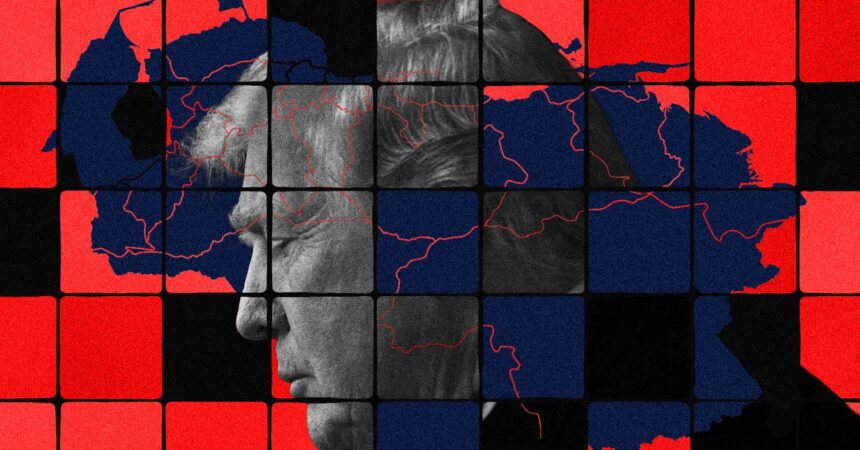
This backdrop leads to the current situation regarding former President Donald Trump. In November, amid a U.S. military campaign targeting what was described as drug-smuggling boats—which resulted in over 100 casualties and raised serious legal questions—Ambassador John Bolton, Trump’s longest-serving national security adviser, expressed concern over the lack of a cohesive strategy against Nicolás Maduro. Bolton, a proponent of regime change in Venezuela, characterized the failure to oust Maduro during Trump’s initial term as a significant setback. Despite ongoing military efforts, Bolton noted the absence of groundwork to solidify congressional support or establish strong alliances with Venezuelan opposition groups. He interpreted Trump’s recent dismissal of the Venezuelan opposition leader, María Corina Machado—who was a Nobel Peace Prize contender—as indicative of a broader lack of understanding regarding what would be necessary to replace the Maduro government.