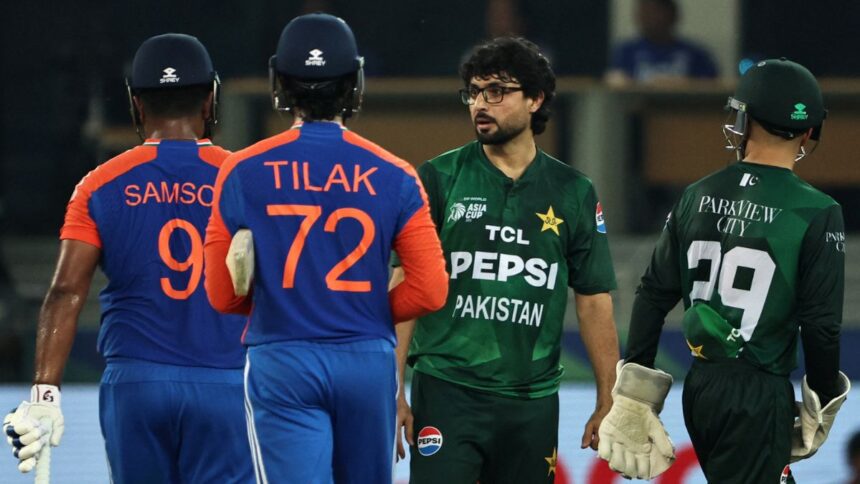
Tensions continue to simmer over the February 15 T20 World Cup clash between India and Pakistan, even as the tournament commenced across India and Sri Lanka on February 7. The Pakistan Cricket Board (PCB) has formally communicated to the International Cricket Council (ICC) the government’s decision to boycott the match, setting the stage for ongoing discussions between the two bodies.
ICC is handling the situation in line with its established approach to sensitive issues, emphasising engagement, precedent, and process rather than confrontation. The governing body’s priorities remain the integrity of the tournament, the welfare of players, and the interests of fans and stakeholders, as reported by India Today.
Notably, the controversy began when the Pakistan government publicly announced that its team would not play against India, while confirming participation in the rest of the tournament. The PCB then sent an official letter to the ICC citing the ‘Force Majeure’ clause, including the government statement but offering no further explanation. The ICC responded by requesting clarification on how force majeure could apply to a single match while the team continued in other fixtures. Officials also sought details on steps Pakistan had taken to mitigate the situation, including possible alternatives or exemptions.
Following the ICC’s detailed response, the PCB has reached out to continue structured dialogue aimed at resolving the issue. Prime Minister Shehbaz Sharif, in the meantime, has reaffirmed the government’s decision not play the arch-rivals in the high-voltage clash.
What is Force majeure?
Force majeure is a contractual provision that excuses parties from obligations due to extraordinary events beyond their control, such as war, natural disasters, or government intervention. The ICC informed the PCB that unjustified use of the clause could expose it to legal, commercial, and governance consequences.
Reports indicate that Sri Lanka Cricket (SLC) has urged Pakistan to reconsider, warning of financial losses for the host nation. Estimates suggest that a boycott could result in revenue losses of Rs 2,200 crore for the ICC, with advertisement losses of Rs 200-250 crore for the host broadcaster.
</div>