India’s economic development is significantly linked to its micro, small, and medium enterprises (MSMEs), which encompass over 5.93 crore businesses, sustain millions of jobs, and contribute nearly 30% to the country’s GDP. As India aims for a $5 trillion economy, the role of technology in these enterprises is pivotal.
The current climate is particularly exciting due to the combination of entrepreneurial spirit in India and the advancements in artificial intelligence (AI). For MSMEs, AI is not merely an aspirational future tool but a necessity that can enhance efficiency, improve customer service, and elevate global competitiveness—all while leveraging India’s inherent strengths of agility, resilience, and innovation.
MSMEs have demonstrated remarkable adaptability, successfully navigating challenges such as demonetization, the shift to digital payments post-GST, and the transition to e-commerce during the pandemic. Each hurdle has provided an opportunity for reinvention, and the next step forward, driven by AI, focuses on achieving sustainable growth rather than mere survival.
A NASSCOM whitepaper highlights a notable paradox: while 94% of Indian MSMEs acknowledge AI’s transformative potential, 65% lack awareness of the necessary tools and resources to effectively utilize it. Though the belief in AI’s benefits is widespread, a practical roadmap is essential for its implementation.
To facilitate the adoption of AI, MSMEs should consider a streamlined approach:
-
Identify a Single Challenge: Rather than attempting a complete transformation, focus on one pressing issue—be it managing customer inquiries, inventory, or invoicing. Effectively resolving one issue can lay the groundwork for broader changes, with numerous AI tools offering free trials or affordable plans suitable for small businesses.
-
Utilize Regional Languages: With 22 official languages, language diversity should not hinder growth. Modern AI solutions increasingly support regional dialects—from Hindi and Tamil to Bengali and Marathi—enabling local businesses to communicate effectively with customers in their preferred language. This facility fosters scalability without compromising local identity.
-
Invest in Team Upskilling: The efficacy of technology relies on the expertise of its users. Training programs available through government initiatives such as those by the National Skill Development Corporation (NSDC) and free online platforms can equip employees to work effectively with AI tools. This might involve training customer service crews to manage AI chatbots or helping accountants utilize AI for financial analysis. When teams master AI, they can significantly enhance business operations.
What distinguishes MSMEs is their foundational connection to communities, characterized by personal relationships and trust. AI cannot substitute these qualities; rather, it can elevate them. By automating repetitive tasks, AI empowers entrepreneurs and employees to focus on creativity and human engagement. For instance, shop owners can invest more time in customer relationships, artisans can concentrate on their craft, and small-scale manufacturers can innovate product designs.
Looking ahead, democratizing AI for MSMEs requires joint efforts. The government has established a strong foundation with initiatives like Digital India, UPI, and ONDC, illustrating how technology can create a level playing field. It is now imperative that policymakers, industry leaders, and tech providers ensure that AI solutions are accessible, affordable, and tailored to the challenges faced by small businesses.
The potential for transformation is immense. With AI, millions of MSMEs can accelerate growth, enhance customer interactions, and compete on a global stage while fostering job creation and bolstering local communities. This moment presents an opportunity to harness India’s entrepreneurial resilience as a competitive advantage.
As the narrative of India’s MSMEs highlights their ability to turn challenges into opportunities, the future focuses on reinvention at scale. The tools and infrastructure are in place, and the conviction exists. Now is the time for action. It begins by tackling a singular challenge, empowering staff, and adopting technology in familiar languages. Rather than displacing the unique essence of businesses, AI offers the liberty to amplify it. The key question for MSMEs is not whether AI is suitable, but which initial challenge they will address.
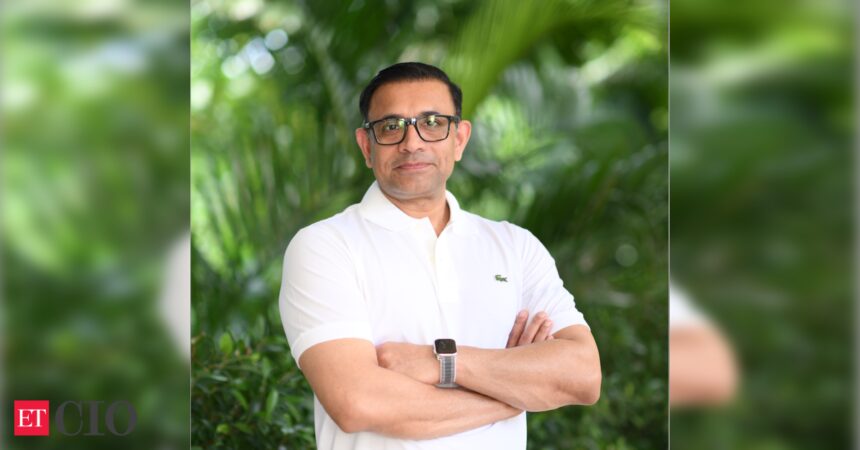
The author is Himanshu Rajpal, Regional Sales Director, Salesforce India.
Disclaimer: The opinions expressed in this article are those of the author and do not necessarily reflect the views of ETCIO. ETCIO is not responsible for any damages incurred by any individuals or organizations as a result of this publication.
Published On Apr 7, 2026, at 08:50 AM IST.