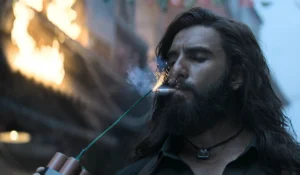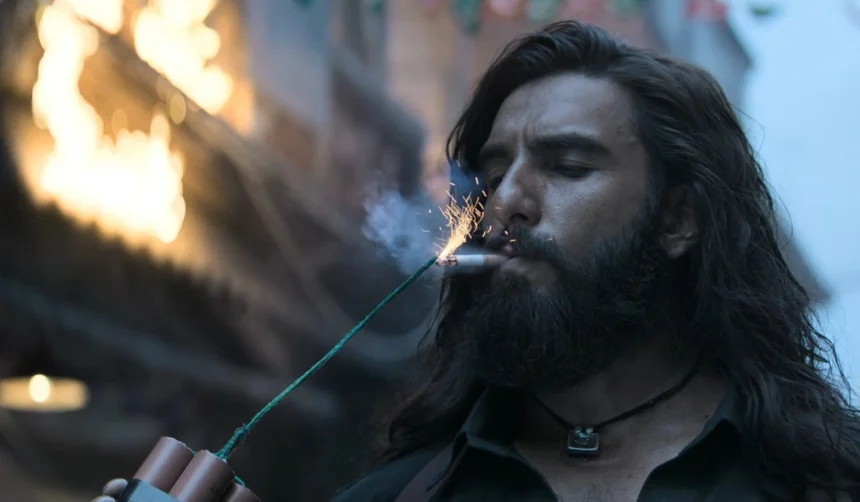
Following the release of the Bollywood film “Dhurandar,” which portrays an Indian spy operating in Karachi’s Lyari locality, a trend has emerged on Instagram titled “Day One as a Spy in Pakistan.” The film has sparked discussions regarding its Islamophobic undertones and its narrow characterization of Pakistan, often framing the country solely within the context of terrorism and Islamic extremism. This reductive depiction has permeated popular culture, evident in the Instagram reels under the aforementioned trend.
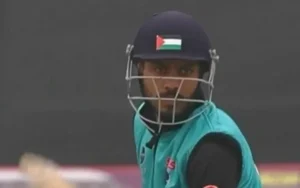
In many of these reels, individuals display a theatrical portrayal of a spy, often jumping over walls, traversing dimly lit alleys, or hiding behind trees with an intense expression. The scenario typically unfolds with a character being questioned, “India se ho?” (“Are you from India?”), to which the common retort is “nahi India humara dushman mulk hai” (“No, India is our enemy nation”).
Women’s portrayals frequently feature characters in burkas or hijabs with “Muslim-sounding” names—such as Muskaan Sheikh Hamza or Fatima Siddiqui—while male characters often sport kohl around their eyes and wear a Tabeez (amulet). The common name assignment for male characters is “Hamza,” borrowed from the film’s protagonist. These visual cues create a singular representation of ‘Muslim Other,’ reducing the complexity of individual identities to a monolithic image. An Instagram post by @floorcollapsing aptly encapsulates this critique, stating “And don’t forget the eyeliner,” while comments from Pakistani viewers highlight the ridiculousness of such portrayals, asserting “aisa get up dekh kar hi pakra jata” (“that get-up alone would get you caught”).
Central to each of these reels is the moment in which the “Indian spy” is ultimately exposed. This pivotal scene is crucial and reveals various culturally specific indicators that constitute “Indianness.” For instance, a character who mentions, “mein Tuesday ko chicken nahi khata” (“I don’t eat chicken on Tuesday”) or another who declares, “janab, mujhe puri Hanuman Chalisa aati hai” (“Sir, I know the Hanuman Chalisa well”). Instances of revealing slips range from women wearing Sindoor (vermilion) to uttering phrases like “Jai Mata Di” and revering a cow during an “interrogation.”
The issues highlighted are manifold. Firstly, they illustrate an Indian conception of Pakistan that neglects the presence of non-Muslims and the diverse practices of Pakistani Muslims. An influencer interpreted this trend by depicting a scenario where she is “caught” as an Indian for refusing kebabs due to her vegetarianism, with a caption stating, “Killed by Enemies ⨯, Killed by Food Choices ✓.” In response, Pakistani Hindu content creator Deepna Rajput remarked, “Pakistan mein bhi vegetarians hote hai” (“There are vegetarians in Pakistan as well”).
Moreover, the optics of the “Indian Spy” are significant. These depictions position “Indianness” as synonymous with Hindu practices, such as vegetarianism and cow admiration. In many reels, the essence of being Indian is equated to symbols reflective of Hindu faith, disregarding shared linguistic and culinary traditions across both sides of the border.
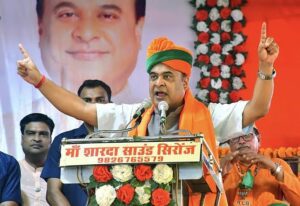
This exclusionary categorization is starkly illustrated in a reel featuring Bihar Chief Minister Nitish Kumar forcibly removing the niqab from a Muslim doctor. The reel juxtaposes the act with “Day 1 as a spy in Pakistan,” implying that the doctor’s presence represents an un-Indian sight. The film and the reels resonate with the broader context of ongoing persecution and marginalization of minorities in India, particularly Muslims, marked by incidents of targeting businesses owned by Muslims and mob lynchings on suspicions of cow slaughter.
In light of this, Indian journalist Arfa Khanum Shervani has aptly situated the film within the BJP-RSS Cultural Project. The same lens can be applied to the reels, as they reinforce a specific notion of Indian belonging that delineates legible experiences while deeming others as oppositional. Presented as humor, this trend reflects the construction of a hegemonic narrative that defines Indianness through exclusion and stereotype.
Meher Kaur is an independent researcher based in Delhi, with an interest in the intersection of media and social identity.
Tags: ‘Day one as a spy in Pakistan’: when optics define ‘Indianness’ Extract 5 SEO-friendly keywords as tags. Output only keywords, comma separated.
Hashtags: #Day #spy #Pakistan #optics #define #Indianness