Estimated reading time: 5 minutes
Iranian authorities have carried out a deadly nationwide crackdown on protesters since late December, killing at least 28 people and arbitrarily arresting hundreds through the unlawful use of firearms and force, Amnesty International and Human Rights Watch said on Thursday.
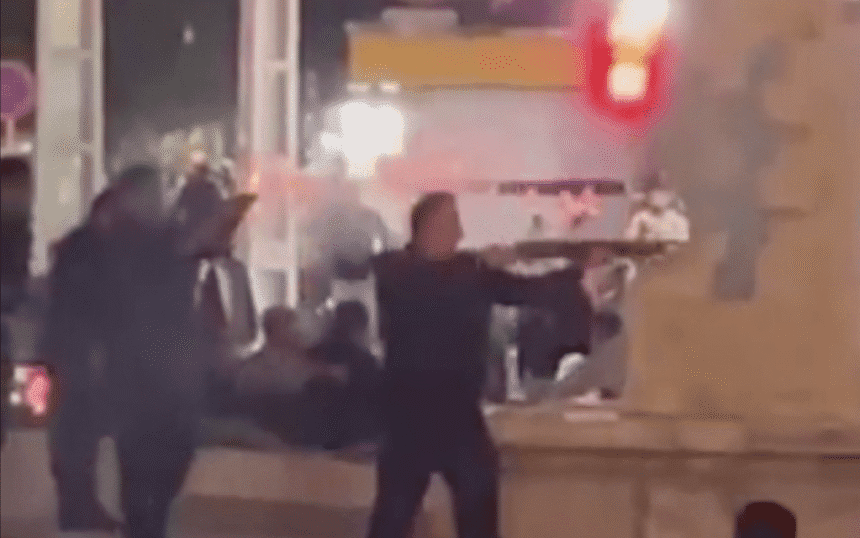
The two rights groups said security forces, including the Islamic Revolutionary Guard Corps and Iran’s national police force, FARAJA, have fired rifles and shotguns loaded with metal pellets, used tear gas and water cannon, and beaten protesters to suppress largely peaceful demonstrations that erupted on December 28 last year.
Meanwhile, Iran is experiencing a nationwide internet blackout on Thursday night, according to monitors.
According to information gathered by the groups, at least 28 protesters and bystanders, including children, were killed in 13 cities across eight provinces between December 31 and January 3. The deaths occurred amid protests triggered by a sharp currency collapse, soaring inflation, chronic mismanagement of essential services and worsening living conditions.
On January 3, Supreme Leader Ayatollah Ali Khamenei said “rioters should be put in their place,” after security forces killed at least 11 people that day. The IRGC’s Lorestan provincial command declared that the period of “tolerance” was over, vowing to act “without leniency.” Two days later, Iran’s judiciary chief ordered prosecutors to expedite cases against protesters and show “no leniency.”
“People in Iran daring to express their anger at decades of repression and demand fundamental change are once again being met with a deadly pattern of security forces unlawfully firing at, chasing, arresting and beating protesters,” said Diana Eltahawy, Amnesty International’s deputy director for the Middle East and North Africa.
She called on Iran’s Supreme National Security Council to immediately order security forces to stop the unlawful use of force and firearms.
The protests began with shop closures and strikes in Tehran’s Grand Bazaar before spreading nationwide. Demonstrations evolved into street protests calling for the downfall of the Islamic Republic and demanding human rights and dignity. Authorities responded with violent dispersals and mass arrests, the groups said, placing many detainees at risk of torture and other ill-treatment.
Human Rights Watch said the persistent use of lethal force reflects an entrenched state policy. “The frequency and persistence with which the Iranian security forces have unlawfully used force, including lethal force, against protesters … indicate that the use of such weapons to crush protests remains entrenched as state policy,” said Michael Page, the group’s deputy Middle East and North Africa director.
Amnesty International and Human Rights Watch said they interviewed 26 people, including protesters, eyewitnesses, journalists and a medical professional, reviewed official statements, and analysed dozens of verified videos. An independent pathologist reviewed images of injuries and deaths.
The deadliest repression was reported in Lorestan and Ilam provinces, home to Kurdish and Luri minorities. At least eight people were killed in Lorestan and five in Ilam. Killings were also reported in Chaharmahal and Bakhtiari, Fars and Kermanshah provinces, each with at least four deaths, as well as Esfahan, Hamedan and Qom.
In Azna, Lorestan, security forces opened fire on protesters near the governor’s office on Jan. 1, killing at least six people, according to verified video and witness testimony. Among the dead was Taha Safari, 16, whose body authorities have reportedly withheld. In Malekshahi, Ilam province, IRGC forces fired from inside a Basij base on Jan. 3, killing at least five protesters, witnesses said.
The groups said all 28 victims were shot by security forces, many with metal pellets fired from shotguns. Authorities have denied responsibility and pressured families to attribute deaths to accidents or protesters, threatening reprisals and secret burials if they refused, the groups said.
While acknowledging isolated incidents of protester violence, Amnesty International and Human Rights Watch said none of the shootings they investigated involved an imminent threat justifying the use of firearms.
The crackdown has also left many protesters gravely injured, with widespread reports of head and eye injuries from metal pellets and beatings. Fear of arrest has deterred injured protesters from seeking hospital treatment, contributing to at least one reported death, the groups said.
On January 4, security forces raided Imam Khomeini Hospital in Ilam, firing tear gas and metal pellets into the grounds and beating patients, relatives and medical staff, according to verified video and human rights defenders.
Hundreds of people, including children as young as 14, have been arbitrarily arrested during protests and nightly home raids. Some detainees were taken from hospitals, while others have been subjected to enforced disappearance and incommunicado detention, the groups said. State media has aired what the organisations described as coerced confessions, including those of minors.
Amnesty International and Human Rights Watch urged Iran to immediately release anyone detained solely for peacefully protesting and called on the international community, including the European Union, to condemn the crackdown and apply urgent diplomatic pressure. The groups also called on foreign prosecutors to pursue criminal investigations under universal jurisdiction for alleged crimes under international law.
The post Rights groups say Iranian security forces killed at least 28 in nationwide crackdown appeared first on Maktoob media.