
Summary
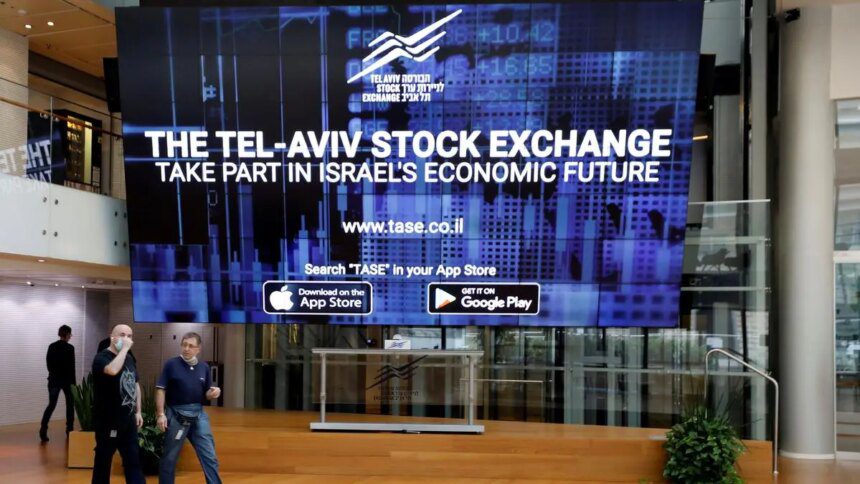
The Tel Aviv Stock Exchange (TASE) has announced plans to expand its blue-chip share index from 35 to 50 companies by mid-2027. This strategic decision aims to enhance diversification throughout individual stocks and sectors, thereby providing a richer representation of Israel’s evolving capital market.
Expansion of Blue-Chip Index
On November 24, 2026, the TASE published details regarding its intention to broaden its flagship blue-chip index, the Tel Aviv 35, to include 50 companies. This initiative is underpinned by the significant growth and diversification of Israel’s capital markets over the past decade. The changes are designed to minimize reliance on a limited pool of large corporations while showcasing a broader spectrum of stocks.
The adjustments, open for public comment until December 20, are expected to go into effect in May 2027. As a result, the Tel Aviv 35 will be renamed the TA-50, while the shares in the TA-90 will be rebranded as the TA-100. Consequently, the existing TA-125 index will expand to the TA-150.
Impact on Market Capitalization and Trading Volume
The proposed adjustments are projected to significantly boost market capitalization. According to TASE’s simulations, the new TA-150 could reach an impressive aggregate market capitalization of 2.7 trillion shekels (approximately $819 billion), in stark contrast to the 711 billion shekels recorded in the TA-125 during its last expansion in 2017. This growth highlights the substantial evolution of the market environment, which requires updated benchmarks to measure performance accurately.
Moreover, the simulations indicated that daily trading volume in the TA-50 surged to nearly 3 billion shekels in just six months leading up to mid-October 2026. Such trading activity suggests a robust investor appetite, emphasizing the need to optimize index design for responsive market engagement.
New Index Initiatives
In line with the restructuring, TASE also plans to unveil 13 additional indices, targeted at capturing various segments of the market. These will include the TA-35 Dollar index and the TA-Technology 35 index. The introduction of specialized indices underscores the exchange’s commitment to adapt to market trends and enhance investment options for domestic and international investors alike.
By broadening the index portfolio, TASE aims to present a more comprehensive view of the Israeli economic landscape, catering not just to local investors but also appealing to foreign capital inflows that can drive future growth.
What This Means
For Indian investors and market analysts, the changes in the Tel Aviv Stock Exchange serve as a crucial reminder of the global trends in stock market restructuring aimed at improving efficiency and representation. As Indian markets continue to evolve, observing similar strategies adopted by other nations could provide valuable insights for future policies. The expansion of indices and the introduction of new trading avenues mirror ongoing developments in India’s own capital markets, where diversification and innovation are becoming increasingly important for sustainable growth.
Frequently Asked Questions
Why is the Tel Aviv Stock Exchange expanding its blue-chip index?
The TASE is expanding its blue-chip index to enhance diversification across individual stocks, reduce reliance on a few large corporations, and provide a more comprehensive representation of Israel’s capital market.
When will the new indices for the Tel Aviv Stock Exchange come into effect?
The proposed changes are slated to take effect in May 2027, following a public comment period that ends on December 20, 2026.
What is the expected market capitalization for the new TA-150 index?
According to TASE simulations, the new TA-150 index could achieve an aggregate market capitalization of approximately 2.7 trillion shekels (around $819 billion).
How does this expansion affect investors?
This expansion enhances investment opportunities through improved stock diversification, potentially attracting more domestic and international investors seeking varied options in the Israeli market.