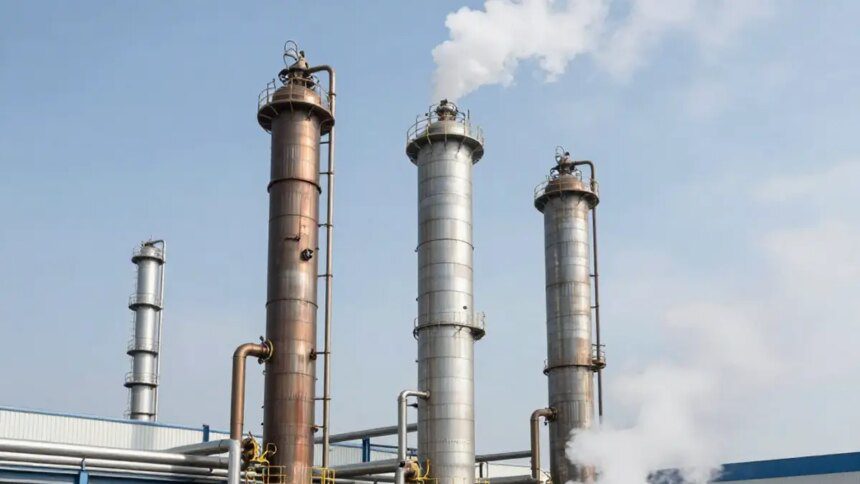

The Indian government is backing coal gasification through a ₹37,500-crore incentive program aimed at enhancing capital access. However, industry experts stress the need for a comprehensive financing and risk-sharing framework to ensure these projects become commercially viable and sustainable.
Understanding Coal Gasification
Coal gasification is a process that converts coal into various downstream products, such as methanol, ammonium nitrate, Synthetic Natural Gas (SNG), and fertilizers. This transformative approach has the potential to significantly reduce India’s dependence on imports for natural gas and essential agricultural inputs like fertilizers. Given India’s vast coal reserves, effective harnessing of this resource can play a crucial role in energy and food security.
However, the journey to scale coal gasification is fraught with challenges. The projects typically demand large upfront capital investments with long gestation periods. Moreover, risks abound, including performance issues related to India’s high-ash coal, uncertainties in pricing and off-take agreements for downstream products, and complexities surrounding environmental management and liabilities. These hurdles require nuanced strategies for financial backing and implementation.
Government Initiatives and Industry Concerns
According to industry insiders, while the government’s financial incentives are a necessary first step to bridge the capital-cost gap, they are not sufficient on their own. The crux of the issue lies in the availability and cost of capital. For coal gasification to evolve from isolated projects to a robust industry segment, financial structures must be designed to ensure every project, regardless of the promoter’s financial strength, can secure funding.
Some industry figures point out that if established companies are hesitant about entering the coal gasification market due to perceived financial risks, it is unlikely that smaller firms or startups will find it viable. This necessitates an early and proactive government role in guiding investments and addressing the cautious stance of lenders toward coal gasification ventures.
Moving Towards Financial Viability
A senior government official noted that engagements between the Coal Ministry and industry representatives are ongoing, emphasizing the need for urgent reforms in financing mechanisms. One proposed solution includes introducing a partial credit guarantee facility, which could alleviate debt financing bottlenecks as projects progress from conceptual stages to execution and operational deployment.
Experts like Atanu Mukherjee, CEO of Dastur Energy, argue that while the current incentive framework sets a foundation, the next logical step must involve ensuring access to long-term, competitively priced debt options. This investment would not only enhance project viability but also help create a more extensive financing ecosystem for coal gasification in India.
What This Means
As India moves towards a more sustainable energy framework, the successful implementation of coal gasification could alleviate some energy import burdens and enhance local production of vital chemicals and fertilizer products. However, without establishing robust financial and risk-sharing principles, the coal gasification sector may struggle to achieve its potential, leaving India reliant on external sources for energy needs and agricultural inputs. Stakeholders must remain engaged to address existing financial barriers that could otherwise inhibit the industry from flourishing.
Frequently Asked Questions
What is coal gasification?
Coal gasification is the process of converting coal into gas and other products like methanol and fertilizers, which can reduce reliance on imports and enhance local production capabilities.
Why is the government incentivizing coal gasification?
The government is promoting coal gasification through a ₹37,500-crore incentive program to support energy security and reduce dependency on imports of natural gas and fertilizers.
What challenges does coal gasification face?
Challenges include large upfront capital costs, long project timelines, risks associated with high-ash coal, technology performance, and market pricing for downstream products.
How can financing be improved for coal gasification projects?
Improved financing can be achieved through dedicated risk-sharing mechanisms, such as a partial credit guarantee facility, and by ensuring access to long-term, competitively priced debt options for projects.