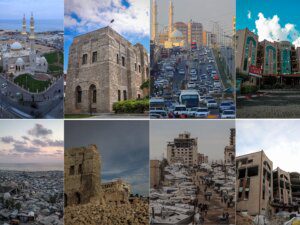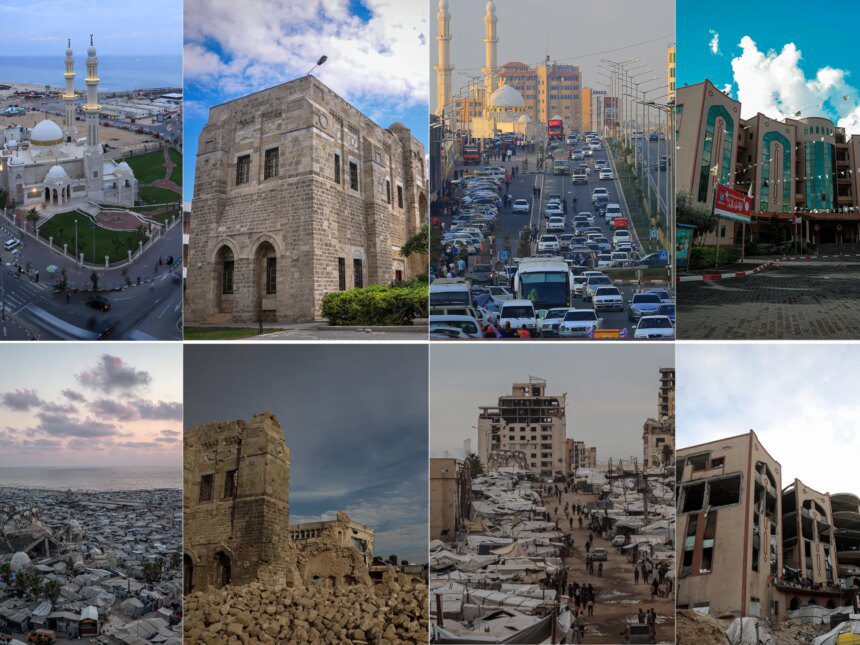

Gaza City – The ongoing conflict in Gaza has left more than 80 percent of its buildings damaged or destroyed since the outbreak of war in October 2023. This destruction has obliterated much of the region’s infrastructure and historical landmarks, reshaping the landscape and profoundly affecting daily life.
Historical Significance of Gaza’s Cultural Landmarks
For centuries, Gaza has served as a vital intersection of various civilizations, hosting a rich tapestry of culture and history. Its streets, markets, and public spaces not only served as centers for social interaction but were also repositories of collective memory for its inhabitants. The recent conflict has severely impacted these nexus points, with UNESCO reporting damage to 164 cultural sites, including historic mosques, churches, and ancient markets.
Notable sites like the Great Omari Mosque, the Church of Saint Porphyrius, and Qasr al-Basha have either succumbed to destruction or are left heavily damaged. These sites, which once stood as testaments to Gaza’s long history, now represent a painful loss for the community, altering both the physical and emotional landscape of the city. This change is not merely aesthetic; it impacts the cultural identity and continuity of generations of Gazans.
The Human Cost
The ramifications of this destruction extend beyond architecture to the everyday lives of people residing in Gaza. With a significant portion of essential infrastructure gone, access to healthcare, education, and basic services is increasingly curtailed. Hospitals and schools have become casualties of war, further complicating the efforts of humanitarian organizations working in the enclave.
The obliteration of homes and community spaces has forced many residents to live in temporary shelters. With families fragmented and communities disrupted, the psychological toll is immense. The loss of familiar landmarks hinders navigation and contributes to a pervasive sense of disconnection among the populace. For many, these spaces were not just localities but sites of shared experiences and memories, fostering a sense of belonging.
International Response and Future Outlook
The global response to the situation in Gaza has been mixed, with some nations calling for immediate humanitarian aid and others focusing on political solutions. The destruction of cultural heritage has raised alarms internationally, as efforts are made to advocate for the preservation of what remains and to rebuild once the conflict ceases. However, the process of restoration will likely be long and fraught with challenges, particularly in a region still marred by ongoing violence.
In India, the situation has garnered attention, with various organizations and individuals expressing solidarity with the people of Gaza. Cultural exchanges and discussions on the impacts of conflict on heritage are becoming more common, emphasizing the shared importance of historical sites across nations. As the world watches, the preservation of Gaza’s cultural identity and the restoration of its community spaces will require substantial international collaboration and support.
What This Means
Understanding the destruction of Gaza’s infrastructure is crucial for grasping the broader implications of regional instability. For Indian readers, the loss of historical sites resonates deeply, given India’s rich tapestry of culture and history. The ongoing crisis underscores the fragility of cultural heritage worldwide, revealing the urgent need for collective action to safeguard it, while also advocating for the humanitarian rights of affected populations.
Frequently Asked Questions
What percentage of Gaza’s buildings has been damaged or destroyed?
More than 80 percent of Gaza’s buildings have been reported as damaged or destroyed since the onset of the war in October 2023.
Which significant cultural sites in Gaza have been affected?
Sites affected include the Great Omari Mosque, Qasr al-Basha, the Church of Saint Porphyrius, and various markets and museums.
How has the destruction impacted the daily life of Gaza’s residents?
The destruction has severely limited access to essential services like healthcare and education, displacing families and disrupting community cohesion.
What role does international response play in the situation in Gaza?
The international community’s response varies, with calls for humanitarian aid and efforts to preserve cultural heritage, highlighting the need for collaborative rebuilding efforts once hostilities cease.