
Tragedy Strikes Nepal: Floods Devastate Communities
The recent glacial collapse in Nepal’s mountainous regions has triggered catastrophic floods, resulting in the loss of over 1,386 lives and leaving at least 5,130 individuals missing. Areas once vibrant with life, like Betrawati, have been reduced to wastelands, affecting countless families and bringing back painful memories of the 2015 earthquake.
The Harrowing Aftermath of Betrawati
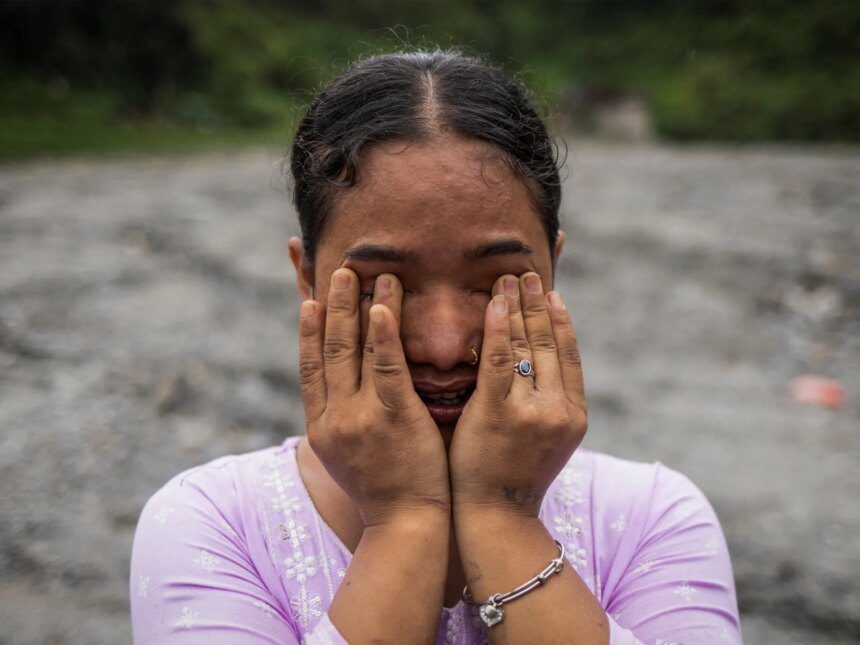
Anusa Thapa Magar’s desperate return from the Maldives highlights the personal anguish faced by many residents of Betrawati. Upon arriving home, she was met with not just the physical loss of her family house, but the emotional toll of uncertainty about her grandmother’s fate.
Standing where her family’s two-storey home once stood, Anusa clings to the hope that her grandmother could still be buried beneath the ruins. This uncertainty is a shared experience for many survivors trying to navigate the new reality imposed by nature’s fury.
The recent flooding, fueled by a glacial collapse, swept through Nepal and struck settlements along the Trishuli River, causing widespread destruction. The search efforts for the missing individuals have stalled, raising concerns that time is running out for families to find closure.
A Community in Mourning
Residents are grappling with the loss of not just their homes, but their very communities. Kalpana Thapa Magar, a garment business owner, shared a chilling account of the moment she received an evacuation call. “Run! Run!” was the frantic response that fueled her escape, leaving behind everything, including those who couldn’t make it out in time.
In nearby Devighat, the shells of once-family homes stand hauntingly. Many individuals sifting through the rubble are confronted by a grim reality: there is no land left to reclaim. Unlike the aftermath of the 2015 earthquake, where families could rebuild, this new disaster underlines the fragility of life and property in the face of environmental upheaval.
Echoes of Past Disasters
The psychological impact of the floods has reopened old wounds, especially for survivors of the 2015 earthquake. Teacher Sita Thapa Magar articulated the despair that comes from losing everything yet again, emphasizing that they are not just grieving their houses, but their land and future opportunities.
As communities like Betrawati are reduced to barren land, the former economic stability achieved by locals appears to dissolve into memory. For many, the recollections of rebuilding after the quake stand in stark contrast to having nothing left to start over with post-flood.
What This Means
For Indian readers, this disaster serves as a reminder of the shared environmental challenges faced by neighboring countries in South Asia. The Himalayan region is susceptible to glacial collapses and heavy rainfall, leading to risks of flooding not just in Nepal, but also in parts of northern India. This could have wider implications for regional disaster preparedness, emergency response, and climate change impacts. The need for collaborative strategies to manage natural disasters becomes increasingly urgent in light of such events.
Frequently Asked Questions
What caused the floods in Nepal?
The floods were primarily triggered by a glacial collapse in the mountains along the Nepal-China border, sending torrents of mud, rock, and water through settlements.
How many people are missing after the disaster?
Authorities report that at least 5,130 individuals are still unaccounted for following the floods, with search efforts continuing but yielding few results.
What is the psychological impact of such disasters on survivors?
Survivors often face heightened trauma, particularly if they have previously experienced calamities such as the 2015 earthquake. This can result in feelings of helplessness, grief, and anxiety about the future.
How can communities prepare for future disasters?
Communities can enhance their disaster preparedness through risk assessment, comprehensive emergency planning, and regular training for residents on evacuation procedures and safety measures during natural disasters.