
Historic Mosque Faces Demolition Amid Local Concerns
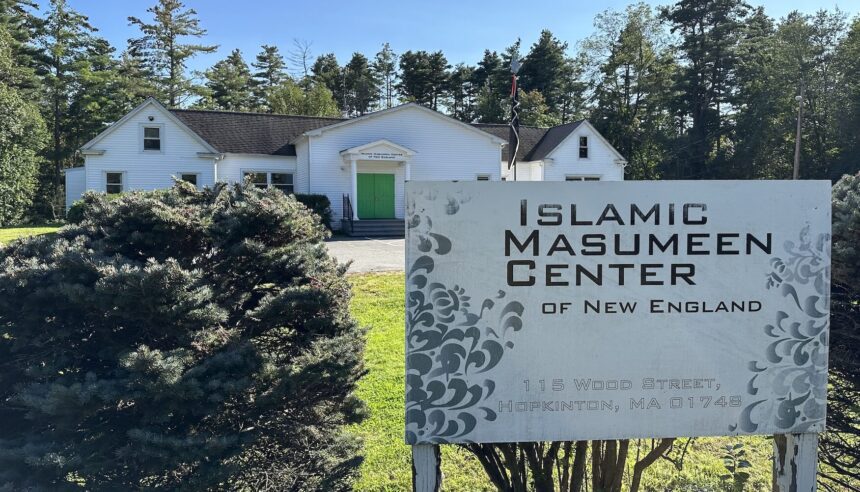
The Conservation Commission is currently deliberating the fate of the century-old Islamic Masumeen Center Of New England, as the Masumeen Charitable Trust proposes to demolish the existing mosque at 115 Wood Street and construct a modern facility for worship. The meeting revealed potential historic significance of the building, raising concerns about community representation and preservation.
Potential Historical Significance of the Mosque
The mosque’s history and age may classify it as a historic structure, as highlighted by co-vice chair Ted Barker-Hook during the recent four-hour meeting. The trust, which has owned the building since 1995, indicated that the mosque served a previous religious function and is now in dire need of updates due to its age. Mahmud Jafri of the Masumeen Charitable Trust emphasized that “it has served its useful life,” suggesting a desire for modernization to align with surrounding architecture.
However, Barker-Hook expressed the importance of consulting the Historical Commission to prevent potentially irreversible decisions regarding the mosque’s preservation. He noted that his wife, a former Historical Commission member, informed him of regulations pertaining to structures over 75 years old. This exemplifies a larger issue in present-day urban planning, where the balance between modernization and historical preservation is constantly under scrutiny.
Environmental and Safety Concerns Raised
In addition to potential historical issues, the meeting also focused on critical environmental factors. Engineer Imad Zrein proposed the creation of 86 parking spaces alongside stormwater management measures, noting ongoing issues with water runoff impacting Wood Street and nearby wetland areas.
Environmental experts detected Japanese knotweed on site, a problematic invasive species that requires management. The proposal includes removing the knotweed and stabilizing surrounding slopes, but the Conservation Commission highlighted that proper plans for mitigation and septic system installation must be adhered to.
This aspect of the proposal underlines the importance of environmental compliance in urban development and further complicates the plans for construction, showcasing the multifaceted challenges that such projects face today.
Community and Regulatory Pushback
The community’s response to potential demolitions and changes reflects broader societal dynamics regarding minority rights and representation. The mosque’s potential upcoming demolition has stirred concern among local residents about the fate of a community space that has served Indian Muslims and other groups for decades.
Moreover, a hearing concerning tree clearing violations at another site revealed serious frustrations with negligent contractor practices, resulting in fines assessed to property owner Yuan Li. The Conservation Commission’s preemptive cease-and-desist order reflects a commitment to uphold environmental regulations, but it also highlights the challenges of enforcing compliance against property owners.
Chair Melissa Recos expressed exasperation over ongoing violations, reflecting a larger narrative of accountability in real estate development that often overlooks the voices of marginalized communities impacted by such decisions.
Why It Matters
The ongoing deliberations surrounding the Islamic Masumeen Center reveal significant implications for community identity, architectural heritage, and environmental stewardship. This case is emblematic of the tensions between development and preservation—the challenge of modernizing community spaces while respecting historical significance. The preservation of religious and cultural spaces is crucial for maintaining diversity in societies, while the regulatory frameworks designed to protect these interests sometimes fall short, particularly in the context of marginalized communities. Navigating urban development requires empathy, awareness, and a commitment to inclusivity—a necessity for sustainable growth.
Frequently Asked Questions
What is the Islamic Masumeen Center Of New England?
The Islamic Masumeen Center Of New England is a mosque located at 115 Wood Street that is approximately 100 years old, previously serving as a house of worship for the local community.
Why is the mosque being proposed for demolition?
The Masumeen Charitable Trust has proposed demolishing the mosque to build a more contemporary facility, citing the building’s age and issues related to safety and parking.
What are the environmental concerns associated with the mosque site?
Concerns include stormwater runoff affecting nearby areas and the presence of invasive species, such as Japanese knotweed, which require management to prevent further spread.
What are the implications of historic preservation laws in this case?
The age of the mosque may classify it as a historic structure, which could prevent its demolition without proper consultation and review by the Historical Commission.