
Diplomatic Invitation to Iran: A Shift in Regional Security Dynamics
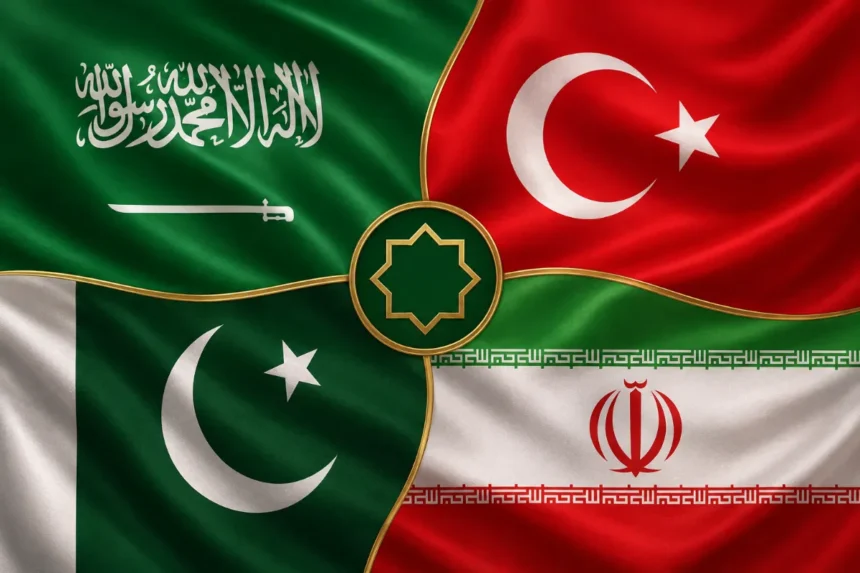
In a significant diplomatic shift, Saudi Arabia, Turkey, and Pakistan have invited Iran to join the newly-formed Mecca Joint Defense Agreement. The invitation signifies a potential transformation in Middle Eastern geopolitics, challenging previous perceptions of a Sunni-dominated security bloc and hinting at a more inclusive regional defense strategy.
Mecca Joint Defense Agreement: Foundational Elements
Signed on August 7, 2026, in Mecca, the trilateral pact commits the participating nations to mutual defense, asserting that any armed attack against one member will be seen as an attack on all. Initially regarded as a direct counter to Iranian influence in the region, the pact’s architects have now invited Tehran, marking a strategic recalibration in their approach to regional security.
Turkish Foreign Minister Hakan Fidan, a pivotal figure in facilitating this outreach, reaffirmed that the agreement’s purpose is “purely defensive.” He emphasized that Iran’s inclusion could bolster collective security in the region, promoting a stance of stability rather than confrontation. Similarly, Pakistani Prime Minister Shehbaz Sharif framed the invitation as an effort to foster “Islamic solidarity and shared strategic interests,” suggesting a platform for dialogue rather than division.
Tehran’s Responses and Regional Reactions
Iran has responded cautiously, with officials acknowledging the invitation as a reflection of changing regional perceptions. Foreign Ministry spokesperson Esmaeil Baghaei called it a “recognition of regional realities,” indicating that Iran might consider the proposal if it aligns with the country’s interests. However, he noted that any formal decision would require thorough consultations within Iran’s Supreme National Security Council.
Back-channel communications have reportedly been intensifying, with Pakistani Foreign Minister Ishaq Dar personally informing his Iranian counterpart about the invitation, framing the agreement as non-confrontational. Additionally, Saudi officials have engaged in quiet discussions with Iranian representatives, building upon the 2023 détente brokered by China that restored diplomatic ties between Riyadh and Tehran after a prolonged absence.
Challenges to Formation of a Unified Security Framework
Despite the cautious optimism, significant challenges persist. The historical mistrust between Iran and Saudi Arabia, ongoing conflicts in Yemen, Syria, and Gaza, and the lack of an integrated military command structure within the pact pose potential hurdles. These complexities illustrate the deep-rooted tensions that continue to characterize Middle Eastern relations.
An expansion of Iranian participation could also complicate ties with the United States, traditionally viewed as a security guarantor for Gulf states. As of now, the U.S. has not publicly reacted to the invitation, highlighting the intricate balance of international relationships at play in this evolving scenario.
Why It Matters
This diplomatic overture is significant as it could reshape security dynamics in the Middle East, indicating a potential departure from exclusionary policies that have long defined regional politics. A collaborative framework could foster a new era of stability and cooperation, reducing reliance on external powers and aligning national interests among neighboring countries. The acceptance or rejection of this invitation by Iran will be pivotal in determining the trajectory of both security and diplomatic relations in the region.
Frequently Asked Questions
What is the Mecca Joint Defense Agreement?
The Mecca Joint Defense Agreement is a trilateral security pact established between Saudi Arabia, Turkey, and Pakistan on August 7, 2026. It commits the signatories to mutual defense against armed attacks.
Why was Iran invited to join the agreement?
Iran’s invitation represents a strategic shift among the pact’s founding members, aiming to foster regional stability and inclusivity in security arrangements, moving away from previous dynamics that emphasized exclusion.
How has Iran reacted to the invitation?
Iran has expressed cautious positivity, stating that it views the invitation as a recognition of regional realities but has indicated that any decision regarding participation requires extensive internal consultations.
What challenges will the agreement face?
Significant challenges include historical mistrust between Iran and Saudi Arabia, ongoing regional conflicts, and a lack of an integrated military command structure. Additionally, potential fallout with the United States complicates the landscape of regional diplomacy.