
Summary
Recent statements from prominent political commentator @zoo_bear have shed light on pressing issues concerning Assam’s flood-affected families and the collective responsibility towards assisting them. His comments focus on the ongoing relief efforts and the significant role of community support in mitigating the challenges faced by these families.
Understanding the Crisis in Assam
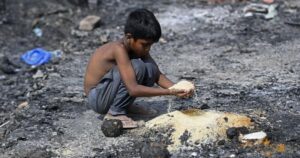
Assam has been grappling with severe floods that have caused extensive destruction, displacing thousands and leading to a humanitarian crisis. The state frequently faces monsoonal floods, largely due to its geographical location and the overflow of the Brahmaputra River. This year, the devastation has been exacerbated, leading to urgent calls for aid from local and national organizations.
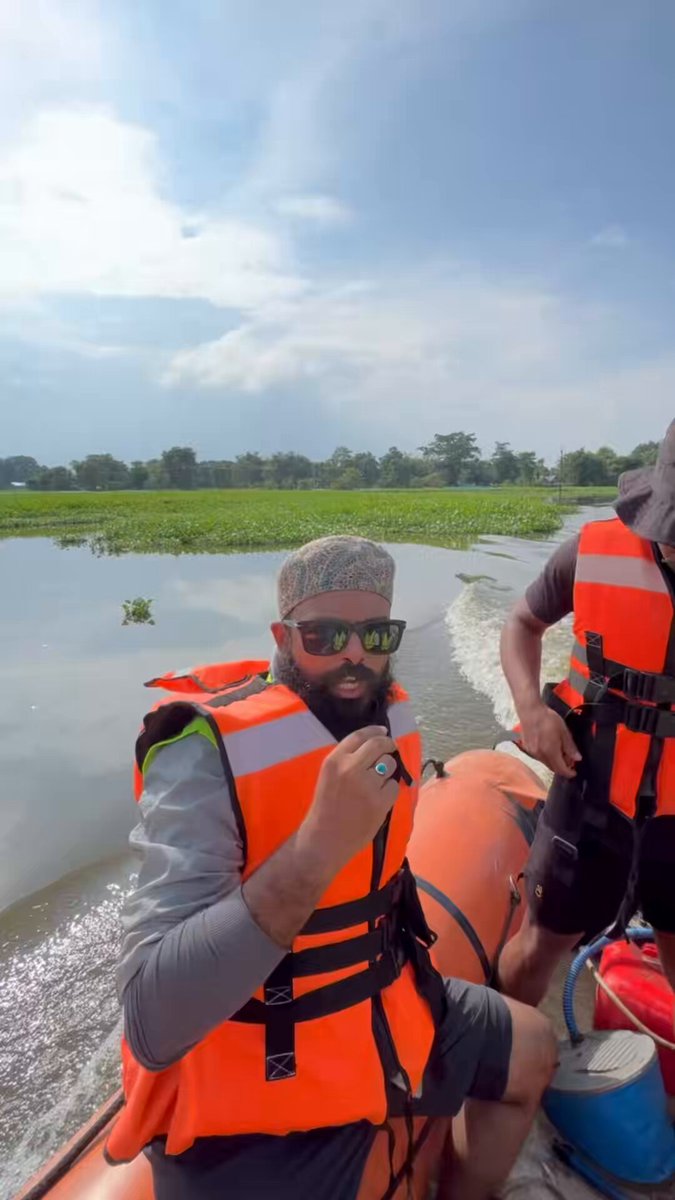
Miles2Smile, an organization dedicated to bringing relief and hope to communities like those in Assam, emphasizes the importance of every small contribution. As highlighted in their recent initiative, even a single dollar can significantly impact a family’s recovery process. Organizations like these serve as critical lifelines, showcasing how community action can create tangible change.
The Role of Activism and Community Support
The comments from @zoo_bear stress the importance of activism in times of natural disasters. Mentioning Miles2Smile, he argues that collective action by individuals can profoundly change lives, stating that every journey and every donation counts. The emotional weight behind these journeys speaks volumes about human resilience and the will to uplift others.
Moreover, social media has become a powerful tool for mobilizing support, helping to raise awareness and funds. Video segments shared on platforms like Twitter and Instagram have gone viral, effectively illustrating the plight of those affected while encouraging further donations. Community-driven fundraising initiatives are evident, with many citizens stepping up to help their fellow countrymen in times of distress.
Government and Institutional Response
In light of the ongoing flood crisis, state and central government responses have been mixed. While immediate relief measures have been initiated, critics, including @zoo_bear, argue that long-term strategies for flood management and rehabilitation have often been inadequate. This has led to calls for heightened accountability and a reassessment of disaster preparedness strategies.
There are pressing demands for improved infrastructure and sustainable measures to minimize the damage caused by seasonal floods. The challenges faced by flood-affected families are intertwined with larger issues of governance, resource allocation, and social justice, emphasizing the need for comprehensive policy reform.
Why This Matters
The plight of flood-affected families in Assam is a microcosm of larger systemic issues in India, including poverty, disaster management, and governmental accountability. Understanding these dynamics is crucial for Indian readers, who are called to engage with and support initiatives that can alleviate such crises. The challenges faced in Assam also reflect the need for more proactive measures to address climate-related disasters that are becoming increasingly common in the country.
This situation not only urges collective action but also emphasizes the responsibility of the government and private sectors to formulate better disaster management strategies. Supporting organizations like Miles2Smile contributes to a broader narrative of compassion and civic duty in the face of adversity.
Frequently Asked Questions
What is the current state of floods in Assam?
The floods have dislocated thousands and led to a significant humanitarian crisis, with various organizations working tirelessly to provide relief and recovery support.
How can individuals help flood-affected families in Assam?
Individuals can contribute by donating to organizations like Miles2Smile, which are actively involved in relief efforts. Every contribution helps to restore hope and support families in need.
What has been the government’s response to the crisis?
The government has been instituting relief measures, but there have been criticisms regarding the sufficiency and effectiveness of long-term strategies to combat flooding issues in the region.
Why is community support vital during such crises?
Community support amplifies individual efforts, providing essential resources and solidarity to those in distress. It showcases the power of collective action in addressing humanitarian needs effectively.