
Nepal is currently facing a significant wave of communal unrest, particularly after violent confrontations between Hindu and Muslim communities resulted in multiple fatalities and curfews across various districts. This situation underscores ongoing tensions and the challenges in maintaining social harmony in a nation marked by diverse religious identities.
Escalation of Communal Violence
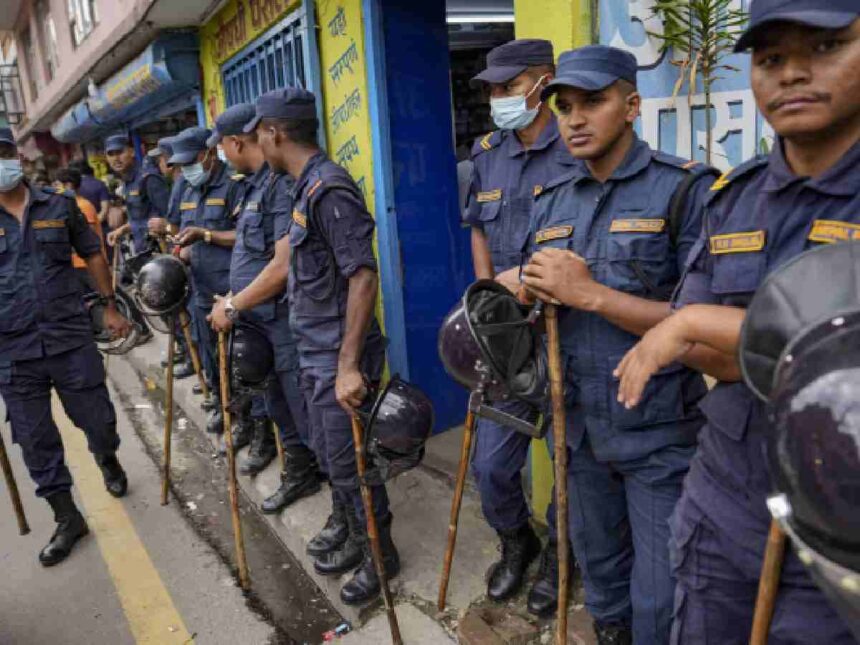
The turmoil in Nepal began on July 26, 2023, in Sunsari district, where a dispute over loud music and religious flags during a Hindu procession sparked violent confrontations. Reports indicate that police attempts to control the situation led to clashes, resulting in the deaths of two individuals. A third fatality occurred amid protests in Siraha district despite a curfew being imposed, highlighting the volatility of the situation.
Prime Minister Balendra Shah, in a national address, urged citizens to exercise restraint and work towards restoring peace and national unity. He committed to conducting a fair investigation into the incidents and holding accountable those responsible for the violence. Meanwhile, curfews have been enforced across Sunsari and adjoining districts while security forces remain vigilant to prevent further escalations.
Political Reactions and Calls for Unity
The political landscape in Nepal is deeply impacted by this unrest. The Nepali Communist Party (NCP) has called for an independent judicial commission to investigate the killings, arguing that the root issues of communal tensions must be addressed beyond mere police action. The party also encouraged community-led efforts to promote harmony and prevent further violence.
President Ram Chandra Paudel convened discussions with former political leaders to address the crisis, emphasizing the involvement of political parties, civil society, and religious leaders to protect Nepal’s long-standing traditions of social and religious harmony.
The Role of Misinformation and Historical Context
The recent violence has renewed discussions about the influence of misinformation and social media in exacerbating communal tensions. Analysts identified the rapid circulation of misleading content, such as false claims and recycled videos, as factors that intensified public fear and anger beyond the initial incidents.
This incident is part of a troubling pattern of communal unrest in Nepal, particularly in regions with significant Muslim populations. Nepal’s demographic makeup reveals that while Hindus represent approximately 80% of the population, Muslims account for over 5%. However, in districts like Madhesh Province, the Muslim population is higher than the national average, frequently leading to confrontations over religious expressions and community grievances.
Why It Matters
This unfolding crisis in Nepal has implications not only for the local sociopolitical landscape but also for regional stability. The communal strife is reflective of deeper societal fractures that could have ramifications beyond the borders, potentially impacting relations with neighboring countries like India. Additionally, the use of social media as a tool for misinformation raises concerns about its role in current and future conflicts, as communities grapple with identity and coexistence.
Frequently Asked Questions
What sparked the recent communal unrest in Nepal?
The unrest began in Sunsari district over a disagreement related to loud music and religious flags during a Hindu procession, leading to violent clashes between Hindu and Muslim communities.
What measures are being taken to restore order?
Authorities have imposed curfews in affected districts, increased police presence, and urged community leaders to promote peace and unity while minimizing the use of force during policing.
How has the political landscape reacted?
The Nepali Communist Party and President Ram Chandra Paudel are advocating for collective action involving political leaders, civil society, and religious organizations to address the underlying issues fueling communal violence.
What role does misinformation play in communal tensions?
Misinformation, particularly through social media, has been identified as a critical factor in escalating communal tensions, with false narratives spreading rapidly and affecting public sentiment.