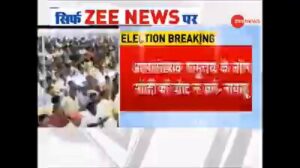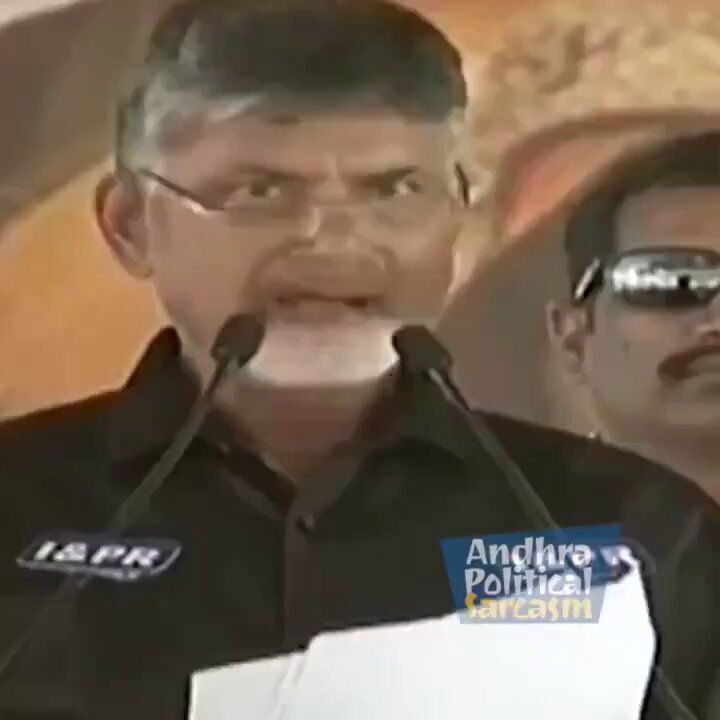

In a striking juxtaposition, Andhra Pradesh Chief Minister N. Chandrababu Naidu has alternately criticized and praised Prime Minister Narendra Modi over the years. In a recent statement, he called Modi a “hardcore terrorist,” referencing the Godhra incident of 2002, while earlier in 2019, he expressed admiration for Modi’s leadership, highlighting India’s aspirations for development by 2047.
Chandrababu Naidu’s Criticism of Modi
During a 2019 address, Naidu did not hold back in his criticism of Prime Minister Narendra Modi. He labeled Modi a “hardcore terrorist,” recalling the infamous Godhra train burning in 2002, where over 2,000 people lost their lives. Naidu emphasized that he was the first to demand Modi’s resignation in the aftermath, indicating his strong disapproval of Modi’s leadership. He pointed out that Modi’s controversial past had resulted in him being shunned internationally, reinforcing the gravity of his accusations.
Naidu’s Praise for Modi in 2019
However, Naidu’s stance drastically shifted in the same year during a different event. He highlighted Modi’s significant contributions to India’s progress, stating, “Without Prime Minister Narendra Modi, we cannot imagine Viksit Bharat in 2047.” He painted Modi as the “tallest leader in the world,” who had brought pride to the nation and enjoyed respect globally. This powerful endorsement showcased a complete reversal, demonstrating the complexity of political alliances in India.
The Evolving Political Landscape
Such contrasting remarks from Chandrababu Naidu reflect the shifting dynamics within Indian politics, especially among regional parties and the national leadership of the Bharatiya Janata Party (BJP). Naidu’s bifurcated comments highlight the intricate web of relationships in Indian politics, where leaders may shift allegiances based on political necessity, electoral calculations, or public sentiment. His rapid transition from critique to endorsement can be perplexing but is indicative of the need for regional leaders to align with or oppose powerful national figures depending on the political context.
Why This Matters
Naidu’s comments are significant for several reasons. They illustrate the fluctuating alliances among Indian political leaders, especially as the nation gears up for the 2024 elections. His criticisms and praises encapsulate the dilemmas faced by regional leaders, who often must navigate a complex landscape defined by their relationship with the central government. Furthermore, they shed light on the broader narrative surrounding Modi’s leadership—portrayed by some as authoritarian and by others as visionary. This duality offers insight into how different stakeholders perceive governance, and it lays the groundwork for upcoming political battles in the nation.
Frequently Asked Questions
What did Chandrababu Naidu say about Narendra Modi in 2019?
Naidu criticized Modi, calling him a “hardcore terrorist” while referencing the Godhra incident of 2002, where many lives were lost. He demanded Modi’s resignation at that time, emphasizing the damage inflicted on India’s international relations.
What was Naidu’s contrasting statement about Modi later in the same year?
Later in 2019, Naidu praised Modi’s leadership, stating that without him, envisioning a developed India by 2047 was impossible. He acknowledged Modi as the “tallest leader in the world,” highlighting the respect he commands globally.
How do Naidu’s comments reflect the political situation in India?
Naidu’s varying statements illustrate the unpredictable nature of Indian electoral politics, where leaders may shift their stance based on political necessity, alliances, or public opinion. This reflects broader trends in how regional leaders navigate relationships with the powerful central leadership of the BJP.
What implications do these statements have for the upcoming elections?
Naidu’s remarks may influence voter perceptions and party dynamics as India approaches the 2024 elections. Regional leaders like Naidu must balance their criticisms and endorsements of Modi to maintain their political fortunes while appealing to their constituencies.