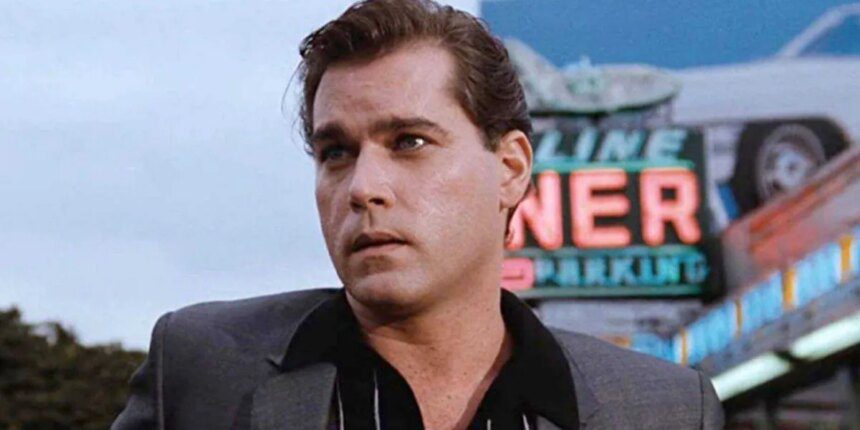

Goodfellas, directed by Martin Scorsese, has become more than just a classic gangster film; it is a cultural phenomenon that redefined the crime genre. Almost 40 years after its release, its energetic storytelling and innovative techniques continue to influence filmmakers and captivate audiences worldwide, including in India.
A New Era of Gangster Films
When Goodfellas made its debut in September 1990, it emerged at a time when gangster films were heavily influenced by Francis Ford Coppola’s The Godfather series, which had set a nearly impenetrable gold standard. Scorsese’s film introduced a different flavor, moving away from solemn shadows and revered criminal empires to a vibrant portrayal of gangsters who reveled in their fast-paced lifestyle, embodying a raw energy that appealed to a broad audience.
This shift allowed Goodfellas to reclaim the gangster genre, ultimately securing a prominent spot on the American Film Institute’s Top 10 Gangster Movies list. The film’s success proved that there was room for diverse stories and depictions of the criminal underworld.
Innovative Cinematic Techniques
One of the defining characteristics of Goodfellas is its kinetic editing style, guided by legendary editor Thelma Schoonmaker. In contrast to earlier gangster films that relied on slow-burn narratives, Scorsese’s dynamic pacing draws viewers directly into the exhilarating highs and troubling lows of Henry Hill’s life. The rapid cuts, freeze frames, and tracking shots immerse the audience in the chaotic world of crime, making them feel the rush that Henry experiences.
This innovative approach enhances the viewing experience, allowing audiences to share in the drug-fueled highs and eventual lows. Scorsese’s choice to depict Henry’s life in a fast-paced manner set a new precedent for storytelling in the genre.
Notable Visual and Auditory Elements
Scorsese also expertly employs visuals and sound to tell the story. The iconic Copacabana long take is a perfect example, as cinematographer Michael Ballhaus and Steadicam operator Larry McConkey walk us through the bustling kitchen and into the glamorous world of mob life. This immersion into Henry’s lifestyle of power and allure lets the audience understand the allure of the gang lifestyle without needing overt explanations.
Furthermore, the soundtrack brilliantly juxtaposes pop music with violent scenes, creating an ironic tone that enhances the narrative. Scorsese’s choice of songs effectively paints a visceral picture of the times and draws viewers deeper into the story’s emotional landscape.
Why This Is Trending
Indians are increasingly discussing Goodfellas as film schools, cinema clubs, and online forums resonate with its significance in cinema history. The film’s techniques and storytelling methods are being studied by upcoming filmmakers and film enthusiasts in India who aim to explore new narratives within the crime genre. Additionally, the growing interest in international cinema and the streaming availability of classics have allowed a new generation to discover and appreciate this transformative film.
Frequently Asked Questions
What makes Goodfellas stand out among other gangster films?
The film’s kinetic storytelling, energetic editing, and innovative use of music set it apart from other gangster films, emphasizing a raw portrayal of the criminal lifestyle versus the reverence found in earlier counterparts.
Who are the key creative figures behind Goodfellas?
Director Martin Scorsese, editor Thelma Schoonmaker, and cinematographer Michael Ballhaus played pivotal roles in shaping the film’s groundbreaking aesthetic and storytelling style.
How has Goodfellas influenced modern cinema?
It paved the way for energetic, unconventional storytelling in gangster films and inspired directors like Paul Thomas Anderson and David O. Russell to modernize approaches to similar narratives.
Is Goodfellas suitable for all audiences?
While the film is a classic, it contains graphic violence, drug use, and strong language, making it more suitable for mature audiences.