
Increased Tensions: Naneghat Incident Highlights Social Strain
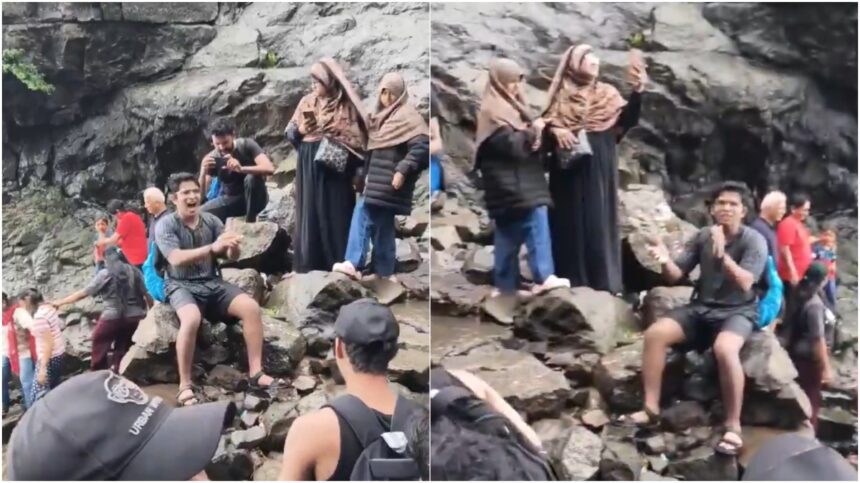
A recent visit by a Muslim family to Maharashtra’s Naneghat Reverse Waterfalls has spotlighted growing social tensions in India. The family sought a peaceful retreat but was reportedly met with discomfort from a group of Hindutva supporters who recited nationalist poetry, raising questions about inclusivity and the atmosphere for minority communities in public spaces.
Historical Context: The Significance of Haldighati
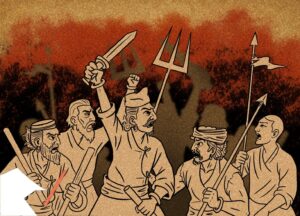
The Naneghat Reverse Waterfalls are not just a natural marvel, but also a site steeped in history, known for its role in ancient trade routes. During their visit, the Muslim family encountered individuals reciting lines from the well-known poem about the Battle of Haldighati. This 1576 battle holds a vital place in Indian history, commemorating Maharana Pratap’s courage against Mughal forces led by Raja Man Singh I.
The poem was penned by Hindi poet Shyam Narayan Pandey in the 1940s, lauded for its celebration of valor and historical pride. However, the recitation in a public setting, especially towards a visiting family, can invoke feelings of exclusion and challenge the idea of shared heritage among diverse communities.
Documented Instances of Discomfort and Marginalization
Numerous reports indicate increasing incidents, such as this one, where minority communities, especially Muslims, face discomfort in public spaces that are increasingly dominated by Hindu nationalist narratives. The Naneghat incident is a microcosm of broader societal issues regarding religious identity and inclusion in India’s public life.
Social exclusion manifests through acts that may seem innocuous but carry significant weight, causing distress for individuals who might feel unwelcome or threatened. The visibly uncomfortable response from the family during the poetry recitation underscores the impact that such cultural expressions can have on societal cohesion.
Why It Matters
The implications of such incidents extend beyond individual experiences. As minority communities in India navigate public life, these occurrences can contribute to a broader atmosphere of fear and alienation. For developers and stakeholders in the AI industry, understanding the sociocultural context is essential for creating technology that serves diverse populations fairly. The escalation of societal divides can influence content moderation, community guidelines, and user interactions on platforms that facilitate social engagement.
Frequently Asked Questions
What is the significance of the Battle of Haldighati?
The Battle of Haldighati is a monumental historical event commemorating Maharana Pratap’s resistance against Mughal forces in 1576. This event symbolizes valor and resistance against oppression, often celebrated in Indian culture.
How does this incident relate to the current social climate in India?
This incident reflects ongoing tensions in Indian society, where minority communities may feel marginalized amidst rising nationalist sentiments and cultural expressions that can feel exclusive or aggressive.
What impact does this have on Muslim communities in India?
Muslim communities are increasingly facing social exclusion and discomfort in public spaces, which can contribute to feelings of vulnerability and alienation. Such incidents can hinder communal harmony and affect the overall social fabric of the nation.
Why is public expression of historical nationalism contentious?
Public expressions of historical nationalism can be contentious as they may evoke strong sentiments tied to religious and cultural identities, leading to exclusionary experiences for those from different backgrounds. Such interactions can perpetuate divisions, necessitating a dialogue about shared heritage and inclusivity.