
The ongoing legal dispute between Hindu and Muslim communities over the Mathura Krishna Janmabhumi-Shahi Idgah mosque has been adjourned to August 25, as both parties requested more time to continue mediation efforts. This conflict is emblematic of broader social and religious tensions in India, highlighting concerns surrounding discrimination and the marginalization of Muslim communities under the current political climate.
Legal Context of the Dispute
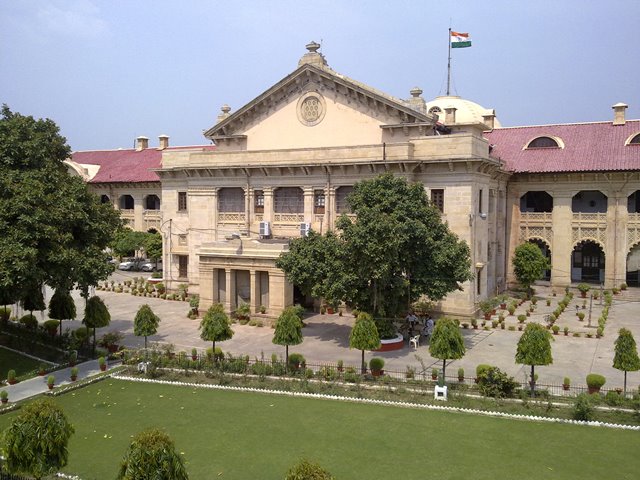
The Allahabad High Court’s recent decision to adjourn the hearing underscores the complexity of this religious dispute, centered on the Mughal-era Shahi Idgah mosque, which Hindu claimants argue was built after the destruction of a temple marked as Lord Krishna’s birthplace. Justice Avnish Saxena emphasized that the adjournment was necessary due to ongoing mediation instructed by the Supreme Court, which has set future dates for resolution.
Specifically, the Hindu side has filed 18 legal suits seeking possession of the disputed land, aimed at removing the mosque structure and restoring the temple. This legal contestation has deeper implications, as it not only impacts the parties directly involved but also raises issues of historical interpretation, religious rights, and community relations in a diverse society.
Community Impacts and Reactions
The legal battles surrounding the Shahi Idgah mosque reflect a broader societal pattern where minority communities, particularly Muslims, face discrimination and exclusion. The ongoing tensions can lead to heightened communal violence and a feeling of insecurity among minority populations. An application filed during the recent hearing sought court intervention to prevent public gatherings at the site, suggesting that fears of unrest persist in the community. This demand for protective measures highlights the fragile state of inter-communal relationships in the region.
Furthermore, the anxieties prevalent within the Muslim community have been exacerbated by broader governmental and societal forces. The perception of a political bias favoring Hindu nationalism can lead to social alienation, where Muslim voices are marginalized in important discussions about heritage, identity, and justice.
The Role of Political Dynamics
The rise of the Bharatiya Janata Party (BJP) and its affiliated organizations, including the Rashtriya Swayamsevak Sangh (RSS), has been marked by a consolidation of Hindu identity politics. This political landscape has contributed to an environment where legal claims over religious sites have gained more traction among the Hindu populace, often at the expense of Muslim interests. The ongoing litigation in Mathura encapsulates this trend, with the BJP’s support acting as a rallying point for Hindu nationalists seeking to reclaim sites they view as foundational to their cultural heritage.
Political affirmations of Hindu nationalism are detrimental to the secular framework of Indian democracy, raising serious concerns regarding the equitable treatment of all citizens regardless of their faith. As disputes like that of Mathura unfold, they present a challenge not just for the parties involved, but for India’s democratic values at large.
Why It Matters
The implications of the Mathura dispute extend beyond local tensions, impacting national policies regarding minority rights and community harmony. Discrimination and the marginalization of Muslims in India could potentially lead to a breakdown of social cohesion, threatening democratic norms and values. Understanding and addressing these issues is crucial for fostering an inclusive society that values diversity and equality. The outcome of such disputes will likely influence future legal precedents, community relations, and national debates on cultural identity, making it essential to monitor these developments.
Frequently Asked Questions
What is the Mathura Krishna Janmabhumi-Shahi Idgah mosque dispute?
The dispute involves competing claims between Hindu and Muslim communities over the land where the Shahi Idgah mosque is situated, with Hindus asserting that the mosque was built after the demolition of a temple dedicated to Lord Krishna.
What are the current legal proceedings related to the dispute?
The Allahabad High Court has adjourned the case to August 25, allowing time for ongoing mediation between the parties as directed by the Supreme Court.
How does this dispute reflect broader societal issues?
This legal conflict highlights tensions between Hindu nationalism and minority rights, underscoring issues of discrimination and marginalization faced by the Muslim community in India.
Why is this case significant for India?
The outcome of the dispute could have far-reaching implications for religious harmony, legal precedents regarding minority rights, and the overall health of India’s democratic framework.