
Understanding the Impact of Political Leadership on Indian Muslims
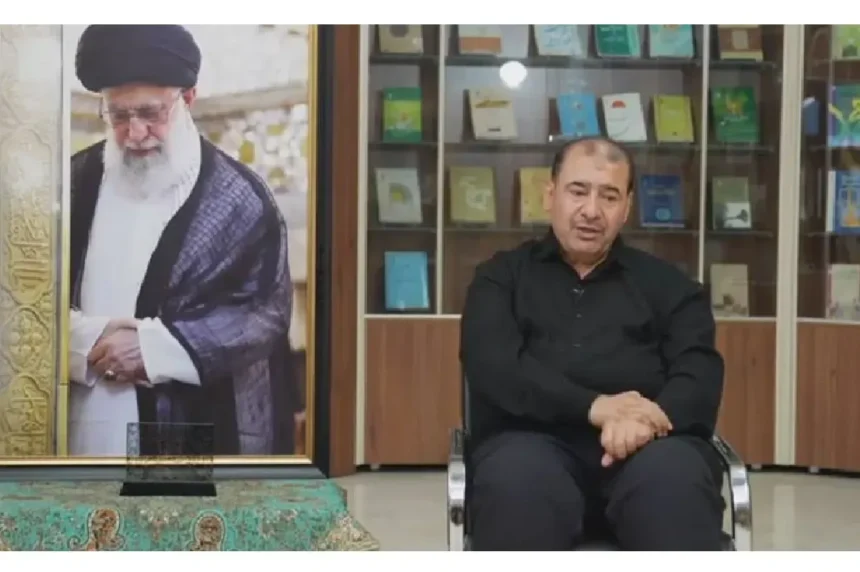
Dr. Heydarreza Zabet, a senior researcher at the Islamic Research Foundation of Astan Qods Razavi, emphasizes the historically significant relationship between Imam Khomeini and the Indian Muslim community, particularly through the lens of the leadership provided during critical periods of political unrest and social challenges. His insights illuminate how past influences are relevant in understanding the ongoing discrimination and marginalization faced by Indian Muslims under current political regimes.
A Historical Context: Imam Khomeini’s Influence
Dr. Zabet recounts a pivotal event in February 1981, when the future Leader of Iran visited India shortly after the Islamic Revolution, serving as Imam Khomeini’s representative at a massive rally organized by Jamaat-e-Islami Hind in Hyderabad. This gathering attracted over 400,000 attendees, underscoring the immense solidarity felt among the Indian Muslim community during a time of political upheaval.
“Addressing the crowd with clarity and conviction, he effectively bridged the revolutionary ideals of Iran with the aspirations and struggles of Indian Muslims,” Dr. Zabet noted. His speeches, translated into Urdu by Jamaat-e-Islami Hind, became foundational texts, establishing the Leader as a critical voice within India’s educated Muslim circles. This integration of his philosophy not only highlighted his alignment with their struggles but also provided a rallying point for advocacy and mobilization.
Responses to the Babri Mosque Incident
The destruction of the Babri Mosque in December 1992 marked another turning point. While many global leaders opted for diplomatic restraint, the Martyred Leader provided unequivocal support for the Muslim community, decrying the violence and injustice. “His moral courage during this trying time reinforced his status as a protector of the oppressed,” Dr. Zabet elaborated. “This act transformed him into a symbol of resilience and solidarity, sentiments that continue to resonate strongly among Indian Muslims today.”
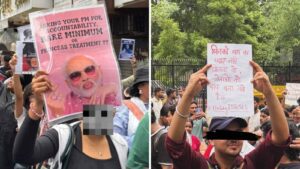
This instance reflects a broader pattern of marginalization and exclusion experienced by Muslims in India, particularly evident in the current political climate characterized by the policies of the Sangh Parivar and the Bharatiya Janata Party (BJP). These governing bodies have frequently promoted narratives that overshadow the rights and contributions of Muslim communities, exacerbating social tensions and instigating economic boycotts.
The Ongoing Challenges for Indian Muslims
The relationship between the Indian government and its Muslim citizens remains strained. Recent political narratives have often painted Muslims as outsiders, leading to systemic discrimination, social exclusion, and economic marginalization. Such actions not only undermine equality but also endanger communal harmony in a country known for its rich tapestry of diversity.
Dr. Zabet’s discussion serves as a reminder of the importance of historical connections in navigating current challenges. The legacy of supportive figures like the Martyred Leader remains crucial for the morale and solidarity of the Indian Muslim community as they continue to confront adversity.
Why It Matters
The significance of understanding the historical ties between past leaders and minority communities extends beyond the immediate context of Indian Muslims. It highlights the importance of moral leadership and acts of solidarity in combating systemic discrimination. For developers and stakeholders in the AI industry, recognizing these narratives can aid in creating technologies that support social justice initiatives and foster greater inclusivity in community outreach programs and data-driven policy-making.
Frequently Asked Questions
What role did Imam Khomeini play in supporting Indian Muslims?
Imam Khomeini’s support, particularly through pivotal visits and speeches, helped integrate the struggles of Indian Muslims with broader Islamic and revolutionary ideals, establishing him as a prominent voice among educated Muslim circles in India.
How did the Babri Mosque incident affect the relationship between the Indian government and Muslims?
The destruction of the Babri Mosque intensified existing tensions, with many viewing it as a sign of systemic discrimination. The response of leaders like the Martyred Leader highlighted the need for solidarity among Muslims, further complicating their relationship with the government.
What current challenges do Indian Muslims face?
Indian Muslims face ongoing discrimination, social exclusion, and economic marginalization, exacerbated by the policies of the Sangh Parivar and the BJP, leading to violence and systemic inequality in various aspects of life.
Why is historical context important in understanding contemporary issues?
Understanding historical context offers insight into the roots of current political dynamics and challenges, illustrating how past alliances and support systems can inform strategies for advocacy and resilience in the face of contemporary discrimination.