
Summary
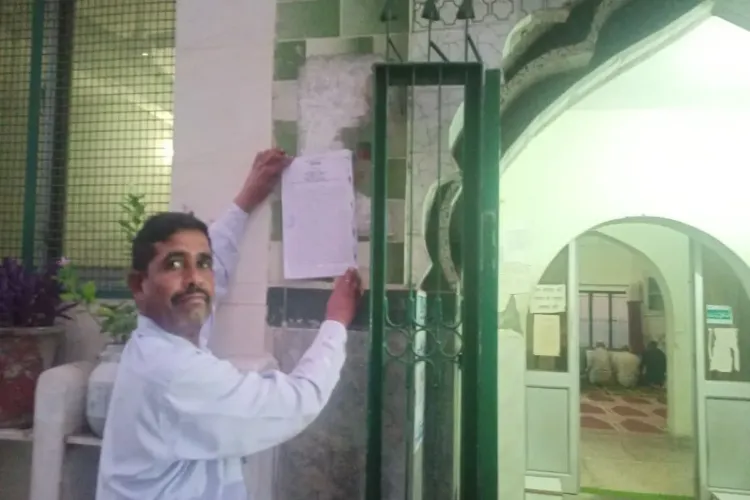
A court in Uttar Pradesh has ordered the demolition of a mosque that has existed for over seventy years within the Collectorate premises of Saharanpur district, imposing a substantial fine on the mosque’s management committee. The ruling has sparked significant political backlash and raised concerns about religious discrimination under the current BJP-ruled government.
Background of the Court Ruling
The demolition order was passed by City Magistrate Kuldeep Singh in response to a petition filed by Vikas Tyagi, a prominent figure in the Hindutva organization Bajrang Dal. The court determined that the mosque’s presence posed security and confidentiality risks to the government office located on the site. This ruling not only mandates the mosque’s demolition but also includes a hefty fine exceeding Rs 64.1 million on its management committee, raising questions about the legal process and the motivations behind such decisions.
Political Repercussions and Reactions
The decision has elicited strong condemnation from various political figures and community leaders. Imran Masood, a Member of Parliament from Congress representing Saharanpur, labelled the court’s ruling as illegal, highlighting that the mosque is situated on private property. He criticized the lack of due process, noting that the committee was neither afforded a fair chance to present its defense nor given the legally mandated 15-day notice prior to the order. The mosque management announced its intention to appeal the decision in a higher court, underscoring the ongoing tensions surrounding religious freedom in India.
Community Response and Broader Implications
The mosque management and several Muslim organizations vehemently repudiated the ruling, asserting that the mosque predates India’s independence, thus rendering it immune to such classifications as illegal. Such legal challenges illustrate the broader struggle faced by Muslim communities in India, at times subjected to state actions perceived as discriminatory. This incident reflects a growing pattern of marginalization where religious minorities encounter obstacles to their cultural and religious practices, raising significant concerns about the future of secularism and pluralism in India.
Why It Matters
The implications of this court ruling extend beyond local governance; they touch upon fundamental rights and societal cohesion in India. As the BJP government has been associated with policies that critics argue exacerbate communal tensions, this incident serves as a poignant example of how legal mechanisms can be employed in ways that potentially disenfranchise minority communities. The ongoing discourse surrounding this issue is essential for understanding the challenges faced by marginalized groups in India, influencing not only national policy but also contributing to international dialogue regarding religious freedom and human rights in the region.
Frequently Asked Questions
What is the significance of the mosque’s demolition order?
The demolition order is significant as it highlights the tension between religious freedom and state authority in India, emphasizing concerns about discrimination against minority communities.
Who filed the petition for the mosque’s demolition?
The petition was filed by Vikas Tyagi, a former coordinator of the Hindutva organization Bajrang Dal, indicating political motivations behind the legal action.
What has been the response from the mosque management and local politicians?
The mosque management plans to challenge the ruling in a higher court, while local politicians, including Congress MP Imran Masood, have condemned the order as illegal and unfair.
How does this incident reflect broader issues in Indian society?
This incident exemplifies ongoing challenges faced by Muslim communities in India regarding religious freedom, highlighting a pattern of marginalization under the current government’s policies.