
Summary
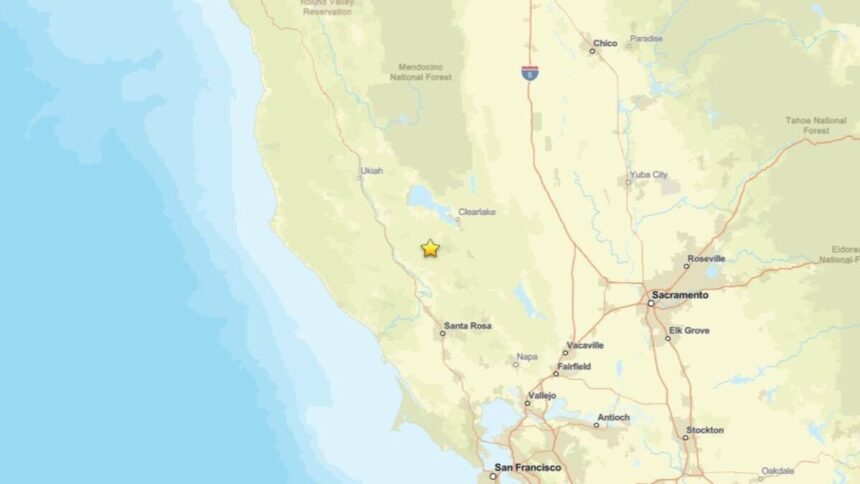
A preliminary 2.3 magnitude earthquake struck near Cobb, California, on Thursday afternoon. The tremor, occurring at a depth of 1 mile, was registered at 3:51 p.m., prompting discussions about earthquake preparedness and risk, especially among those residing in seismically active regions.
The Recent Earthquake in Lake County
On July 16, 2026, the U.S. Geological Survey reported a minor earthquake with a 2.3 magnitude near Cobb, California. The epicenter was located approximately 4 miles west of Cobb. While earthquakes of this magnitude are often too weak to cause significant damage, they can be felt by people in the vicinity, leading to increased public interest in seismic events.
Understanding Earthquake Magnitudes
The magnitude of an earthquake measures the energy released at its source. In this case, the recent quake was below the threshold typically considered dangerous. According to the U.S. Geological Survey, quakes between 2.5 and 5.4 are usually felt but seldom cause substantial damage. Understanding these metrics can help communities better prepare for seismic events.
Preparedness and Response Guidelines
With the frequency of earthquakes reported globally, experts stress the importance of knowing how to react during such an event. Recommendations include:
- If you’re in a car, pull over to a safe location and stop.
- If you’re in bed, lay face down and cover your head with a pillow.
- If you’re outdoors, move away from buildings and other structures.
- If you’re indoors, stay put and avoid doorways, which are often thought to be more secure.
The general advice is to “drop, cover, and hold on” during an earthquake. Experts emphasize protecting your head and neck with your arms and finding a sturdy piece of furniture to hide under if possible.
Why This Is Trending
India’s seismic zones are a cause for concern, as the country experiences its share of tremors due to various tectonic plate activities. With the recent earthquake in California, many Indian citizens are curious about earthquake preparedness, especially those living in regions like the Himalayan belt, which also face seismic risks. The increasing frequency of earthquakes globally has heightened awareness about natural disasters and how to mitigate their effects. Social media and news outlets have further fueled discussions about safety measures and personal experiences during earthquakes, leading to a spike in searches for relevant information across India.
Frequently Asked Questions
What should I do immediately during an earthquake?
Drop to your hands and knees, cover your head and neck, and hold onto a sturdy piece of furniture. If none is available, use your arms to cover your head and neck until the shaking stops.
How can I prepare my home for an earthquake?
Secure heavy furniture, appliances, and other items that can fall. Create an emergency plan and gather supplies such as water, food, and a flashlight with batteries.
Are all earthquakes dangerous?
No, many earthquakes are minor and go unnoticed. Earthquakes below 2.5 magnitude are generally not felt by most people and rarely cause damage. However, it’s always wise to remain informed and prepared.
How often do earthquakes occur in India?
India experiences a significant number of earthquakes each year, particularly in its northeastern and Himalayan regions. Precise statistics vary, but many tremors occur that are recorded but may not always be felt.