
Introduction
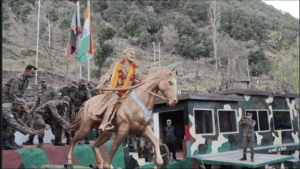
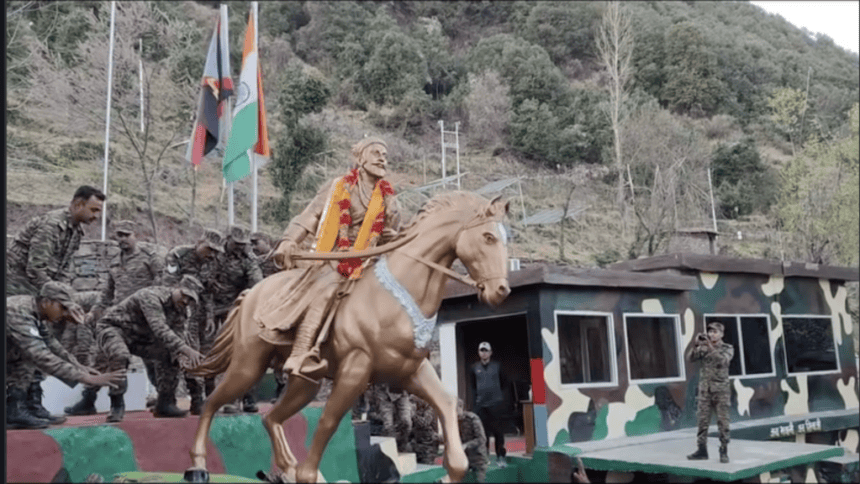
In recent years, the rise of Hindu nationalism in India has manifested in various forms of discrimination against minorities, particularly Muslims and Christians. The Bharatiya Janata Party (BJP), which has been in power for over a decade, has seen an increase in the installation of statues commemorating 17th-century king Shivaji, viewed by many as a symbol of Hindu resistance against Muslims. This trend reflects a broader campaign of social exclusion and economic marginalization targeting non-Hindu communities in the country.
Statues as Symbols of Division
The erection of statues of Shiva, particularly in urban centers, has sparked debates about historical interpretation and religious identity. Hindu nationalist groups support these monuments, portraying Shivaji as a champion of Hindu rights against Muslim adversaries. However, for many, these statues symbolize a growing intolerance that marginalizes Muslim communities and others who do not conform to the dominant Hindu narrative. The glorification of a single cultural perspective threatens to erase the pluralistic heritage of India.
The Political Landscape Under the BJP
Since the BJP came to power, minorities have often found themselves at the receiving end of policies that favor Hindu interests. Legislative actions, such as changes to citizenship laws and anti-conversion bills, have been seen as ways that the government consolidates power while simultaneously undermining the rights of Muslims. Reports indicate a considerable uptick in communal violence and discrimination, reflecting a culture increasingly hostile toward minority populations. The political environment has not only stoked fear but has also contributed to significant economic disenfranchisement of Muslims, who often face job losses and economic boycotts from Hindu nationalists.
Social Exclusion and Its Effects
Evidence suggests that social exclusion has far-reaching consequences beyond just immediate acts of violence or discrimination. Educational and employment opportunities for Muslims have been affected, limiting their ability to engage fully in society. Additionally, social cohesion suffers as the narratives of division spread, isolating Muslim communities and creating an environment of mistrust. Economic boycotts aimed at Muslim businesses not only affect individual livelihoods but also impact local and national economies, further entrenching inequality.
Why It Matters
The ongoing marginalization of minorities in India underlines the importance of monitoring democratic principles and human rights. For the AI industry and developers, the implications are significant; algorithms trained on biased data or developed in a socially polarized environment risk perpetuating these divisions. Data privacy, representation, and fairness become crucial topics of discussion as they relate directly to how technology interacts with diverse populations. Understanding these social dynamics can inform better practices in technology development and encourage ethical considerations in AI applications.
Frequently Asked Questions
What is the significance of Shivaji statues in India?
Shivaji statues symbolize Hindu nationalism and are viewed by many as tools for promoting an exclusionary narrative that positions Hindus against Muslims, challenging India’s historical plurality.
How has the BJP affected minority rights in India?
Under the BJP’s governance, there has been an increase in discriminatory policies and acts of communal violence against minorities, particularly Muslims and Christians, undermining their rights and social standing.
What impact does social exclusion have on the economy?
Social exclusion not only harms individual lives but also disrupts economic participation and growth, as marginalized groups suffer from reduced employment opportunities and economic boycotts.
Why is monitoring bias in AI important?
Monitoring bias in AI is critical to ensure equitable representation and avoid perpetuating existing societal inequalities, fostering a more inclusive digital landscape that respects the rights of all communities.