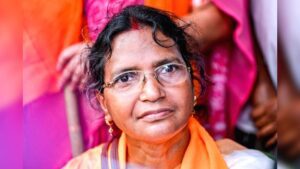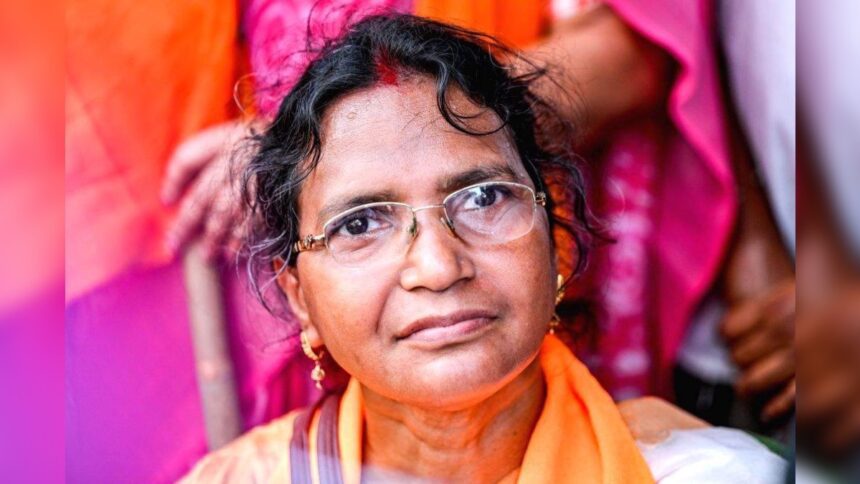

In a disturbing incident in Baruipur, South 24 Parganas, an 11-year-old Muslim girl was tragically gang-raped and murdered, stirring protests across the region. Ratna Debnath, a Bharatiya Janata Party (BJP) MLA and mother of a previous rape-murder victim, condemned the crime yet insisted that comparisons with her daughter’s case were unfounded. The incident highlights the ongoing challenges faced by marginalized communities in India, particularly under political regimes that have been accused of failing to ensure public safety.
Condemnation of Violence Against Women
Ratna Debnath spoke out vehemently against the violent crime that claimed the life of the young victim, expressing her “severe detestation” for the actions that led to such a tragedy. While she extended her sympathies, she urged the public and media not to equate this case with her daughter’s deeply sorrowful experience, clarifying that her daughter had been in a secure setting at the time of her murder. Debnath highlighted the peculiar circumstances surrounding the Baruipur case, noting that she was unclear whether the young girl was at home or outside when the crime occurred, thus reinforcing her point about the lack of comparable security.
The Political Landscape and Public Safety
Debnath attributed the conditions that permitted such brutalities to the “poisonous seeds” sown by the previous Trinamool Congress (TMC) government under Chief Minister Mamata Banerjee. She asserted that systemic neglect in key areas like health, education, and law enforcement had contributed to the rise in violence against women and children. Raillery against the previous regime was a notable part of her rhetoric, invoking the symbolism of “sour fruits” to criticize their governance. Debnath remains hopeful that the new BJP-led administration, headed by Chief Minister Suvendu Adhikari, will provide justice for the young victim and restore law and order in the region.
Community Response and Aftermath
The murder of the young girl sparked intense protests, with community members exhibiting their outrage through tire burning, road blockades, and vandalizing police vehicles. The public fury led to violent confrontations, including the lynching of one suspect and a police encounter resulting in the death of the prime suspect, Prabhas Mondal. This pattern of violence reflects a desperate need for reform in law enforcement responses to such crimes and raises questions about the adequacy of protections for vulnerable populations, particularly among marginalized groups like Indian Muslims.
Why It Matters
This incident not only exposes the tragic realities faced by women in India but also reflects broader systemic issues that disproportionately affect marginalized communities. Debnath’s comments reveal the ongoing political climate, where disputes and narratives can overshadow the pressing need for safety and justice. Economic boycotts and social exclusions experienced by Indian Muslims can further complicate their means of obtaining justice or support from authorities. The political implications are significant, as the handling of such cases can either reinforce or undermine the legitimacy of current governance, influencing public trust and community cohesion.
Frequently Asked Questions
What happened to the 11-year-old girl in Baruipur?
The girl went missing on July 4 while buying a gift for a friend and was subsequently found dead, having allegedly been gang-raped and murdered. Her body was recovered from a pond the following day.
What was Ratna Debnath’s reaction to the incident?
Ratna Debnath condemned the crime and urged people not to compare it to her daughter’s case, asserting that her daughter was in a protected environment at her time of death.
How has the community responded to the murder?
The community responded with violent protests, blocking roads, burning tires, and vandalizing police vehicles in an expression of outrage over the crime.
What are the implications of this incident for marginalized communities?
This incident highlights ongoing issues of discrimination, marginalization, and social exclusion faced by communities like Indian Muslims, particularly in the context of law enforcement and public safety under various political administrations.