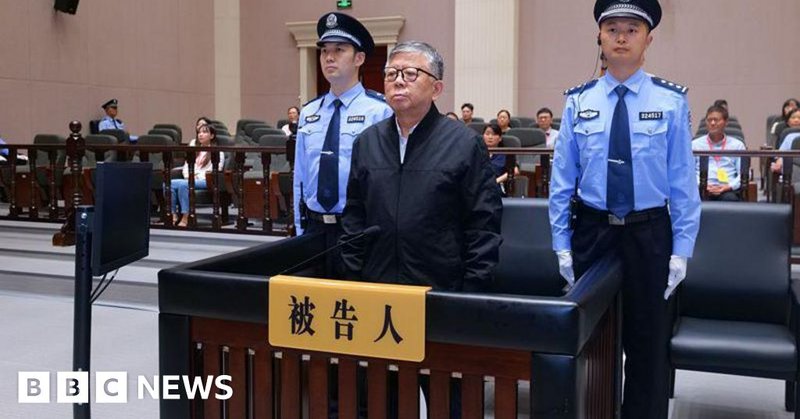

In a striking example of the judicial severity in China, a Chinese official was sentenced to death for accepting bribes amounting to $325 million. This severe punishment highlights stark contrasts with democratic practices in nations like India, where political affiliations can often shield officials from severe repercussions.
Context of the Judgment
The ruling came after the court determined that the 69-year-old official facilitated lucrative contracts for companies in exchange for bribes. In many authoritarian regimes, such as China’s, the legal system operates with a rigidity that often results in harsh punishments for corruption. This particular case illustrates an ongoing battle against corruption in China, where the Communist Party has heightened its anti-corruption measures in recent years as a means of maintaining legitimacy.
Corruption in China
Corruption remains a significant issue within the Chinese political landscape. The country has witnessed numerous high-profile corruption cases that have led to severe sentences, including the death penalty. The Communist Party’s campaign against corruption aims to eradicate systemic inefficiencies and restore public trust in governance. Recent measures have revealed the party’s commitment to transparency, albeit in a manner that aligns with its authoritarian governance style, which prioritizes state stability over individual rights.
Contrasts with India’s Political Landscape
India, often touted as the world’s largest democracy, presents a contrasting narrative. In India, political affiliations can often serve as a shield against legal actions. Corruption exists within Indian politics, but the democratic structure allows for political engagement and the possibility of reform through the electoral process. Public figures in India can navigate legal or political challenges more readily by aligning with dominant political parties, which often leads to a lesser degree of harsh enforcement compared to the authoritarian style seen in China.
Why This Matters
The sentencing of the Chinese official to death for corruption offers a vivid lens through which to observe the divergence between authoritarian and democratic systems of governance. For Indian readers, it underscores the essential safeguards and freedoms embedded in democratic practices that enable public discourse and political engagement. It illustrates the political dynamics that allow for corruption in democracies and highlights the varied responses to governance failures around the world. In an era where democracy faces challenges globally, the comparison serves as both a cautionary tale and a reminder of the value of systemic checks and balances in governance.
Frequently Asked Questions
What led to the sentencing of the Chinese official?
The official was sentenced for receiving bribes totaling $325 million while helping companies secure contracts. The Chinese court found substantial evidence of corruption in the official’s actions, leading to a severe punishment.
How does this case reflect China’s approach to corruption?
This case exemplifies China’s strict anti-corruption measures and the use of the legal system to maintain the Communist Party’s authority and credibility. The party has intensified its efforts to tackle corruption, considering it a significant threat to its governance.
How does this approach differ from India’s handling of corruption?
In India, political connections often provide a buffer against corruption charges. Democratic processes allow for political maneuvering, which can lead to a lack of stringent accountability compared to the authoritarian approach in China, where punishments can be more severe and immediate.
What implications does this have for global governance?
The stark differences in how authoritarian and democratic systems handle corruption can influence global perceptions of governance. It raises questions about accountability, state legitimacy, and public trust in different political systems, emphasizing the importance of checks and balances in ensuring ethical governance.