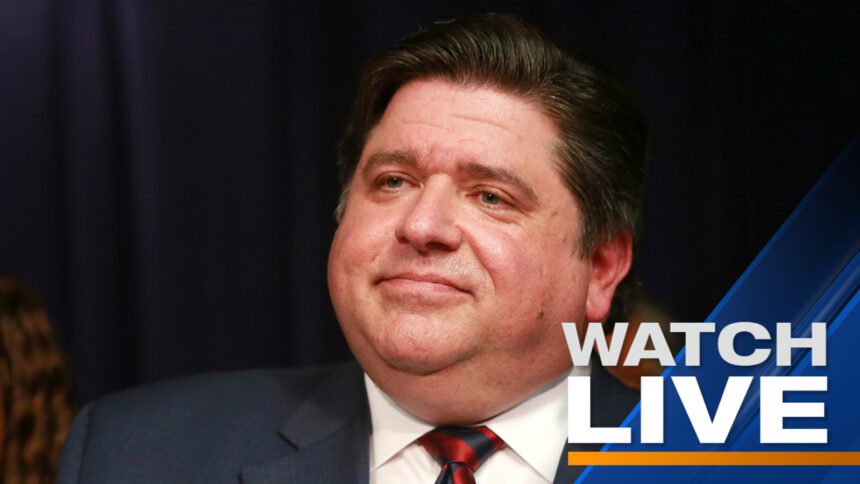

In a groundbreaking move, Illinois Governor JB Pritzker has signed the Artificial Intelligence Safety Measures Act into law, establishing rigorous standards for AI companies. This legislation aims to ensure transparency, accountability, and safety in AI technology, addressing growing concerns over its potential risks.
New Standards for AI Regulation
The legislation, passed by the Illinois legislature in May, requires large AI firms to formulate risk mitigation frameworks and undergo annual independent audits. Governor Pritzker stated this law is crucial as the AI sector continues to advance and gain traction. By setting these guardrails, the state aims to harness the transformative power of AI while mitigating associated risks.
“AI is the most significant technological innovation and development of the modern age,” remarked Governor Pritzker. “When managed properly, it can foster tremendous growth, productivity, and innovation across the economy. However, the potential for catastrophic risks looms, with much yet to be understood.”
The Role of Accountability and Oversight
Under the new law, the Illinois Attorney General will have the authority to impose heavy fines on companies that violate regulations. Fines could reach $1 million for a first violation and escalate to $3 million for subsequent infractions. This sends a strong message to AI firms about the importance of compliance and accountability.
AG Kwame Raoul expressed the serious implications of unregulated AI, warning that, “due to their massive computing power, [AI systems] could cause catastrophic events, such as cyberattacks or the creation of advanced weaponry.” The law is modeled on forthcoming legislation in New York and California, and seeks to establish a national standard for AI regulation.
Implications for AI Developers
The legislation targets major AI developers with revenues exceeding $500 million, mandating them to publish transparency frameworks that clarify how they apply industry standards, assess capabilities, and handle incidents of risk. This represents a significant shift towards ensuring that AI innovations adhere to both technical and ethical standards.
Developers will also be obliged to employ third-party auditors to review their compliance with these frameworks—an aspect that is still a point of contention among industry stakeholders. Some, like TechNet, highlight concerns about the operational burden this may impose, illustrating the ongoing debate around regulation and innovation balance.
Why This Is Trending
With AI technologies rapidly evolving, the global discourse around their ethical use and potential dangers is intensifying. In India, where the adoption of AI tools is on the rise, there is a growing interest in regulatory frameworks that can ensure safety and accountability. As Indian companies explore AI-driven solutions, the Illinois law serves as a case study for future regulation efforts in the country. Additionally, Indian tech leaders and policymakers are closely monitoring the situation to inform their own strategies for AI governance, making this topic particularly relevant.
Frequently Asked Questions
What is the Artificial Intelligence Safety Measures Act?
The Artificial Intelligence Safety Measures Act is a new law in Illinois that sets standards for the regulation of large AI companies, requiring them to develop risk mitigation frameworks and undergo annual audits to ensure compliance and safety.
Who will enforce the new AI regulations?
The Illinois Attorney General will enforce the regulations and has the authority to impose significant fines on companies that violate the law, incentivizing adherence to safety and transparency standards.
What are the potential consequences for AI companies that fail to comply?
Companies that violate the regulations may face fines of up to $1 million for the first offense, with subsequent violations incurring penalties of up to $3 million.
How does this law impact global AI standards?
The Illinois law is part of a broader effort to create national standards for AI regulation in response to the lack of a cohesive federal framework. It could influence similar legislative efforts in other countries, including India, as AI technologies become more integral to economic and social development.