
Summary
The ongoing conflict in Rajasthan regarding the demolition of alleged illegal mosques near India-Pakistan border underscores the tensions facing Muslim communities in India. Local residents, both Hindus and Muslims, have voiced their concerns through peaceful protests, highlighting issues of due process and the alleged marginalization of vulnerable groups by the government.
Demolition of Mosques: Community Response
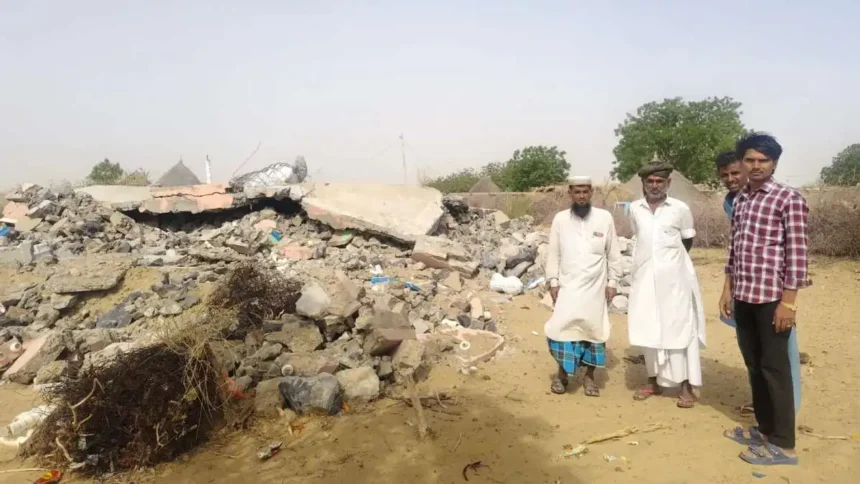
Between June 18 and June 20, the Rajasthan government reportedly demolished approximately 12 mosques within 15 kilometers of the international border, citing national security as the primary justification. This decision has ignited widespread protests from the locals, particularly in border districts like Barmer and Bikaner. Community leaders, representing both Hindu and Muslim religious affiliations, organized a peace march dubbed the Sarva Dharma Shanti Sabha to call for a reconsideration of the government’s actions.
During the peace march, residents delivered a memorandum to local authorities, which emphasized that the affected individuals were not granted a proper hearing or due process prior to the demolitions. Participants argued that the government’s actions undermined the foundational principles of natural justice, leading to fears of systemic discrimination against the Muslim community in the region.
Legal Proceedings and Government Stance
In response to the demolitions, a petition has been filed with the Rajasthan High Court, articulating the grievances of the affected individuals and challenging the legality of the demolitions. The petitioners argue that the government has violated their rights by failing to provide an opportunity for these communities to defend their cases. The court is set to hear this petition on July 7, adding a layer of judicial scrutiny to an already contentious situation.
From the governmental perspective, officials have defended their actions by asserting that construction activities near the border are heavily regulated due to security concerns. They maintain that prior permissions are necessary, and that the actions taken are in line with established regulations. This stance highlights a significant dichotomy where national security concerns may overshadow individuals’ rights, particularly impacting marginalized groups such as Muslims in the border areas.
Social and Economic Implications
The recent events in Rajasthan raise critical questions about the treatment of Muslim communities in India. The demolition of places of worship is not merely a legal issue; it carries profound social and economic ramifications. Such acts can exacerbate feelings of alienation and exclusion among marginalized populations. The perception of discrimination can hinder social cohesion, prompting divisions that might extend beyond local community relations.
Moreover, the economic impact of such actions can be severe. Places of worship often serve as community centers, providing not only spiritual guidance but also social services and economic support within localities. With the destruction of these institutions, affected communities may lose vital resources that foster economic stability and collective identity. Such economic boycotts often deepen the cycle of poverty and marginalization.
Why It Matters
This situation in Rajasthan is emblematic of broader national trends regarding the treatment of minority communities under the current political climate in India, particularly under the BJP and associated organizations. An understanding of these dynamics is important for global observers, as religious and social discrimination can have far-reaching implications for geopolitical stability in South Asia. The legal outcomes here may set significant precedents in how minority rights are treated in India moving forward, influencing both national and international perceptions of the Indian government’s commitment to justice and equality.
Frequently Asked Questions
What was the reason for the mosque demolitions in Rajasthan?
The Rajasthan government cited national security concerns as the justification for demolishing alleged illegal mosques near the India-Pakistan border.
How did local communities respond to the mosque demolitions?
Local residents, including both Hindus and Muslims, organized protests to express their grievances, culminating in a peace march named Sarva Dharma Shanti Sabha, where they delivered a memorandum calling for reconsideration of the government’s actions.
What is the legal status of the demolitions?
A petition has been filed with the Rajasthan High Court, challenging the legality of the demolitions based on claims that affected individuals did not receive fair hearings or due process.
Why is this issue significant for minority rights in India?
This situation raises important questions about the treatment of minority communities in India, shedding light on potential systemic discrimination and the overall state of human rights in the country.