
Recent events in Uttar Pradesh have raised serious concerns about the treatment of Muslims under the current Sangh and BJP government. Eight individuals, including the caretaker of the Mustafa Qadri mosque, have been booked after controversial posters and a flag resembling Pakistan’s were discovered during the mosque’s demolition, igniting a broader discussion on discrimination, social exclusion, and legal inconsistencies facing the Muslim community in India.
Context of the Demolition
The Mustafa Qadri mosque in Sambhal district was demolished on June 6, 2026, after being deemed illegally constructed on land intended for a graveyard. Local MP Ziaur Rahman Barq claimed that the mosque, which he stated was approximately 150 years old and registered as waqf property since 1995, was wrongly targeted. He has vowed to challenge the demolition in court, questioning the legality of the action and the basis for registering criminal cases against individuals displaying religious symbols.
Rising Tensions and Legal Implications
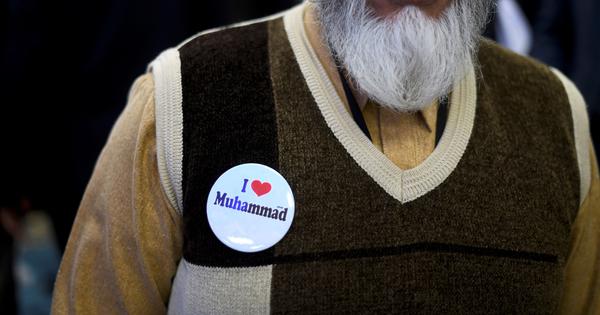
The controversy surrounding the mosque is part of a larger pattern of discrimination faced by the Muslim community in Uttar Pradesh. In the previous months, over 4,500 Muslims have been booked, with 265 arrests made amid a backlash against “I Love Muhammad” banners displayed during religious processions. Critics, including civil rights organizations, allege systemic discrimination and excessive police force targeting Muslims, particularly following clashes that erupted in Bareilly over the same issue.
Hindu nationalist groups have objected to the public display of these banners, arguing that they introduce a “new tradition” into established religious practices. Police authorities have stated that local rules prohibit alterations to the existing customs of religious processions, thereby escalating tensions between communities. The recent actions taken by authorities highlight the urgent need for a review of laws and policies that disproportionately affect marginalized groups.
The Broader Implications of Discrimination
The incidents in Uttar Pradesh mirror a concerning trend of social exclusion and economic marginalization of Muslims in India, particularly under the current BJP government. Such actions raise questions about constitutional rights, freedom of speech, and the right to religious expression for Muslims. Reactions from political leaders, like Barq, emphasize a growing sense of injustice among community members and challenge the perceived bias in legal frameworks that seem to protect dominant community narratives while dismissing minority rights.
Why It Matters
This situation is significant not only for local communities but also for the larger socio-political landscape in India. The actions against the Muslim community raise critical questions about the interplay between governance, religious freedoms, and social cohesion. As marginalized groups continue to face legal challenges and social exclusion, the foundation of India’s secular constitution is called into question, with broad implications for civil rights and democratic principles. Such systemic issues could foster unrest, necessitating a careful examination of policies governing minority rights in a diverse society.
Frequently Asked Questions
What led to the demolition of the Mustafa Qadri mosque?
The mosque was demolished as it was identified as being illegally built on land designated for a graveyard, according to local authorities.
How many individuals were booked following the ‘I Love Muhammad’ incident?
Over 4,500 individuals were booked, with 265 arrests made across 23 towns in connection to the controversy surrounding the banners displayed during religious processions.
What was the response of local political leaders to the demolition?
Sambhal MP Ziaur Rahman Barq criticized the demolition, claiming it was illegal and asserting that he would challenge it in court, questioning the legal basis for such actions against religious expressions.
What does this situation indicate about the treatment of Muslims in India?
The events indicate a trend of discrimination and systemic targeting of the Muslim community, raising serious concerns regarding their rights and freedoms under the current political climate in India.