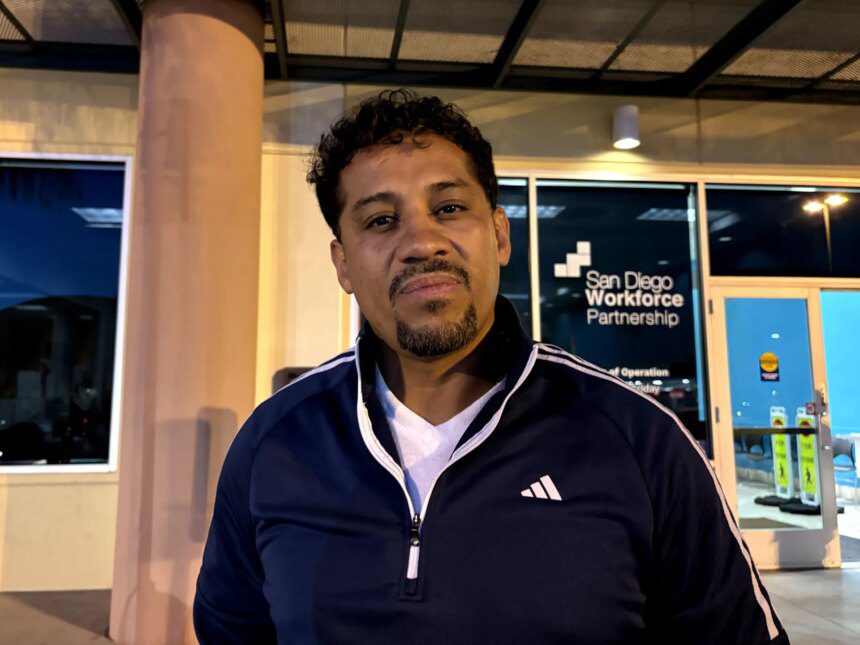

Advocates for immigrant veterans are rallying for the release of Benito Miranda Hernandez, a US Navy veteran facing deportation after serving in the military. This situation underscores a troubling trend where immigrant veterans like Hernandez, who were promised citizenship for their service, find themselves in immigration detention, particularly amid changing policies from the Trump administration.
The Case of Benito Miranda Hernandez
Hernandez, who was brought to the United States from Mexico as a child, served three tours during the Iraq war. His military service was initially viewed as a pathway to naturalization. However, after completing a prison sentence for a drug-related conviction, Hernandez was detained by Immigration and Customs Enforcement (ICE) agents despite having recently obtained his green card.
On June 14, after his sentence, Hernandez was awaiting his mother, Maria Miranda, to pick him up when he was taken into custody. Advocates, including James Smith, founder of Black Deported Veterans of America, argue the government is betraying those who served. “Help this brother come home,” Smith emphasized during a rally in San Diego aimed at supporting Hernandez.
Challenges Faced by Immigrant Veterans
The plight of Hernandez reflects broader issues affecting immigrant veterans in the U.S. Many have reported struggles with mental health and difficulties reintegrating into civilian life after military service. Data indicates that immigrant veterans are over-represented in U.S. prisons, illustrating the systemic challenges they face.
After experiencing unmet promises of expedited citizenship, many immigrant veterans fear deportation. Current estimates suggest a rise in deportations of veterans, a trend reportedly exacerbated in recent years. Advocates have noted that ICE has failed to track the military status of those detained, making it challenging to understand the full scope of the problem.
Legislative Response and Advocacy Efforts
Despite ongoing challenges, advocacy groups are pushing for legislative changes to protect immigrant veterans. Current bills in Congress aim to address these issues, but many veterans continue to fall through the cracks due to unresolved criminal records or outstanding warrants, which often trigger detention.
Danitza James, a fellow veteran and advocacy leader, highlights the need for change, commenting, “Our government doesn’t place any value in the service that our immigrants have.” As recruiters continue to attract immigrants to fill military roles with promises of citizenship, the reality often falls short, leaving many veterans vulnerable to exploitation and neglect.
What This Means
For Indian readers, this situation provides insight into the complexities faced by immigrant communities in the U.S., particularly those engaged in the military. Countries like India have seen a significant number of their citizens recruited by foreign militaries, and understanding these challenges sheds light on the broader implications of immigration policies. The narrative of veterans fighting in foreign wars but facing deportation resonates with global themes of loyalty, justice, and recognition for service, prompting questions around how nations treat those who serve in their defense.
Frequently Asked Questions
What is the status of Benito Miranda Hernandez?
Benito Miranda Hernandez is currently in ICE detention in San Diego, facing deportation despite having recently received a green card.
Why are immigrant veterans vulnerable to deportation?
Immigrant veterans often face systemic issues, including unresolved criminal records and mental health challenges, leading to increased vulnerability in immigration policies.
What has been done to protect immigrant veterans in the U.S.?
There are ongoing legislative efforts in Congress aimed at safeguarding the rights of immigrant veterans, but many cases still face significant challenges.
How does this issue relate to broader immigration policies in the U.S.?
This situation highlights the tension in U.S. immigration policies, especially under the Trump administration, where enforcement has prioritized non-citizens with criminal records, including veterans who served in the military.