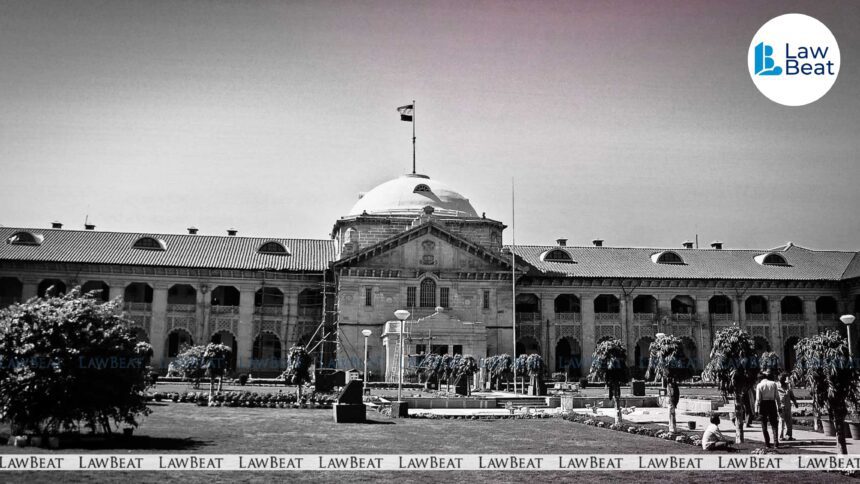

The recent dismissal of a writ petition by the Allahabad High Court has reignited concerns regarding the treatment of Muslim communities in development projects initiated by the state. The case involved six shopkeepers of Varanasi’s Dalmandi Market, who challenged a proposed road widening and beautification project linked to the Kashi Vishwanath Corridor. The ruling underlines the precarious status of tenant rights and the complexities surrounding the preservation of religious properties amid state-led urban development agendas.
Case Background and Tenant Rights
The shopkeepers in Dalmandi Market filed a petition against the road widening project, alleging improper handling of acquisition proceedings. They argued that local authorities were threatening their forceful eviction without due process and raised concerns regarding six historical mosques potentially facing demolition as part of the plan. The court, however, ruled that the petitioners, being tenants, lacked the standing to contest the acquisition, declaring that long-term occupancy does not equate to ownership rights. The bench stated, “It is not that since their shops are running for a long time… that their rights have been enlarged to some kind of a proprietorship.” This ruling exemplifies the struggles of marginalized communities, particularly Muslims, who have been longstanding tenants yet face displacement under state policies.
Implications of the Places of Worship Act
The petitioners contended that the six mosques, having been constructed prior to India’s independence, were protected under the Places of Worship (Special Provisions) Act, 1991. However, the court dismissed this claim, indicating that the act does not prevent state acquisition for public purposes, such as road development. The bench emphasized the difference between property acquisition and the conversion of religious sites, citing a precedent which stated, “It is not merely because there is a loss of Dargah or the Mosque this would amount to conversion.” This interpretation raises alarms about the potential erosion of religious property rights, especially for Muslim communities, as it opens the door for further government actions under the guise of urban development.
Historical Context and Marginalization
The ruling also highlights a broader narrative of marginalization faced by Muslim communities in India during the numerous infrastructure projects linked to governmental policies. With instances where historical mosques and waqf properties are at risk of being demolished or acquired for development, the decision reflects the ongoing concerns of cultural erasure. The court noted that whereas tenants might claim some rights, primary stakeholders in the mosques, such as Mutawallis and the Waqf Board, must assert their claims, which can often be overlooked. This legal backdrop has profound implications for community identity, economic stability, and the preservation of heritage within historically rich Muslim locales.
Why It Matters
This ruling from the Allahabad High Court is significant as it underscores the precarious nature of legal protections available to marginalized communities, particularly regarding their rights to property and religious sites. It demonstrates how urban development agendas can clash with cultural heritage and community rights, leading to a cycle of displacement and disenfranchisement. The implications extend beyond Varanasi, touching on national sentiments regarding minority rights, religious freedoms, and equitable urbanization practices. As governments continue to push for modernization, debates around balancing development with the preservation of historical and cultural identities are more crucial than ever.
Frequently Asked Questions
What was the ruling of the Allahabad High Court regarding the Dalmandi Market shopkeepers?
The court dismissed the writ petition filed by the shopkeepers, stating that tenants do not have the right to contest property acquisition simply based on long-term occupancy.
Can the state acquire religious properties under Indian law?
Yes, the Places of Worship (Special Provisions) Act, 1991 does not prohibit the state from acquiring religious properties for legitimate public purposes, such as infrastructure development.
What implications does the ruling have for historical mosques in India?
The ruling raises concerns about the vulnerability of historical mosques and waqf properties to state acquisition, which could affect community identity and cultural heritage.
Who has the right to challenge property acquisition under Indian law?
Generally, the title holder or the primary stakeholders of a property have the standing to challenge acquisition proceedings, while tenants typically have limited rights in these instances.