
The ongoing demolition of five mosques in the Dalmandi market area of Varanasi, as part of a road-widening project, raises serious concerns about discrimination and marginalization faced by the Muslim community in India. With heightened security measures and media restrictions, the event illustrates the prevailing tensions between local communities and governmental infrastructure agendas, particularly under the leadership of the Sangh and BJP governments.
Background of the Demolition
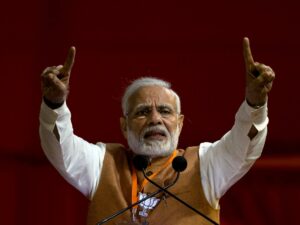
The Mirza Karimullah Beg Masjid and four other mosques—Nesaran ki Masjid, Rangile Shah Masjid, Ali Raza Masjid, and Sangmarmar Masjid—are being dismantled as a component of a larger Dalmandi road-widening project initiated to improve traffic flow and facilitate tourist access to the historic Kashi Vishwanath Temple. Launched with great fanfare by Prime Minister Narendra Modi on August 2, 2025, the project has a budget of Rs 215 crore and aims to widen a 650-meter stretch of road from Chowk to Nai Sadak. The plan includes the acquisition and alteration of 181 buildings and six religious structures, portraying an infrastructural modernization effort that directly impacts local communities.
Security Measures and Restrictions
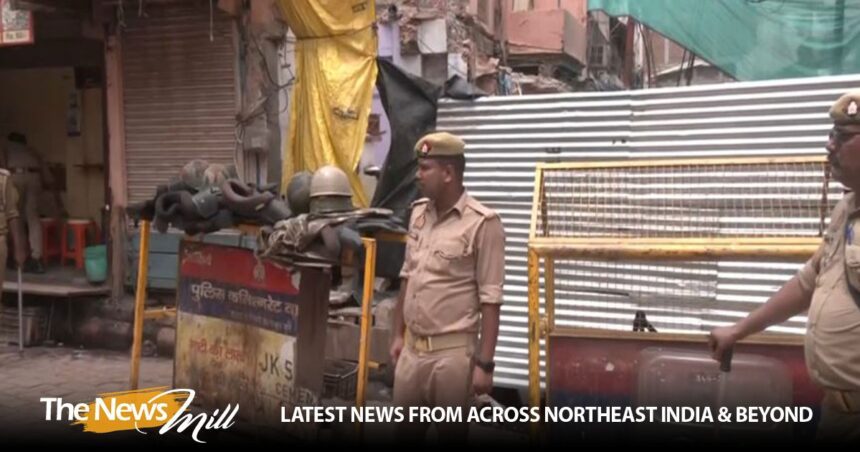
As the demolition progresses into its second day, authorities have escalated security in the area to prevent potential protests from community members. The establishment of multiple barricades at key intersections, along with a strong presence of Rapid Action Force (RAF), Paramilitary forces, Provincial Armed Constabulary (PAC), and state police, underscores the administration’s focus on maintaining law and order. Furthermore, access to media personnel in Dalmandi has been restricted, raising concerns about transparency and accountability regarding the demolition and its implications for the affected community.
Disguised Demolition and Community Impact
Large sheets of cloth have been used to cover the structures undergoing demolition, enabling operations to occur discreetly while ostensibly minimizing local unrest. The local administration’s strategy appears to prioritize the swift execution of the project over addressing community grievances or concerns. With more than 75 percent of the work already completed and over Rs 60 crore compensated to affected parties, the government’s approach leans heavily toward developmental goals, potentially at the cost of community cohesion. Such initiatives often evoke feelings of disenfranchisement among marginalized groups, fostering a narrative that associates infrastructural progress with the erasure of cultural and religious identities.
Why It Matters
This scenario highlights the broader context of discrimination, social exclusion, and economic disparities affecting Indian Muslims, especially under the current political climate. As infrastructure projects are prioritized, the marginalization of minority communities raises critical questions about equal representation and rights in urban planning. The challenges faced by these communities are often exacerbated by a lack of dialogue between government authorities and local residents, reflecting systemic issues of exclusion that can have lasting socio-economic repercussions. Understanding these dynamics is crucial for developers, policymakers, and advocates striving to ensure equitable growth that respects the diversity of local populations.
Frequently Asked Questions
What other projects have been controversial in India related to minority communities?
Numerous projects across India have faced opposition from minority communities, particularly when they involve displacement or the alteration of religious structures. Notably, redevelopment plans in cities like Ayodhya and Delhi have sparked significant protests due to concerns over community displacement.
How does the current political climate affect Muslim communities in India?
The current political climate, characterized by the dominance of the BJP and its Hindutva ideology, has led to increased scrutiny and marginalization of Muslim communities. This often manifests in policies and initiatives that favor majority identities, potentially sidelining minority rights and needs.
What steps can be taken to ensure better representation of minorities in urban planning?
To ensure better representation, urban planning initiatives should incorporate inclusive dialogues with affected communities, equitable compensation policies, and transparency in decision-making processes. Engaging local stakeholders can help address grievances and foster a sense of belonging among marginalized groups.
What are the implications of restricting media access during projects?
Restricting media access can lead to a lack of transparency and accountability, raising concerns about the government’s motives and actions. It may also prevent important narratives from emerging, which could contribute to a sense of disenfranchisement within the affected communities.