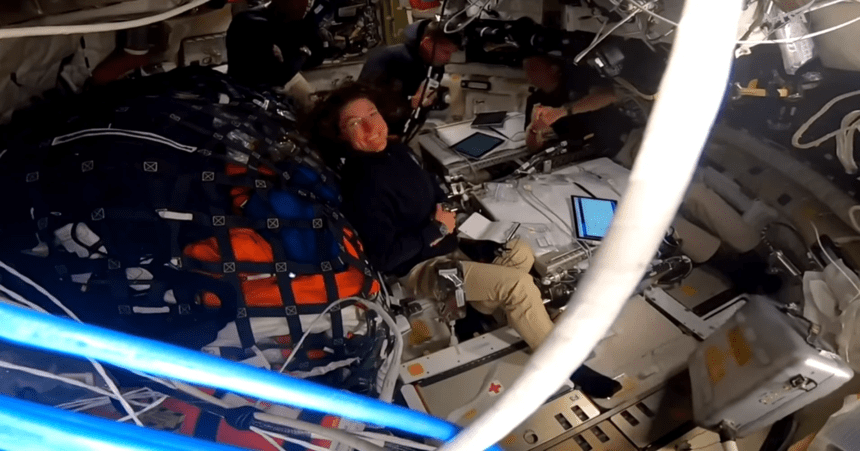

In a significant milestone for space exploration, NASA’s Artemis II mission recently broke the longstanding record set by Apollo 13 for the farthest distance humans have ever traveled from Earth. The Artemis II mission reached a maximum distance of 252,756 miles, surpassing Apollo 13’s distance of 248,655 miles achieved during a harrowing emergency return flight to Earth in 1970.
Artemis II: A New Era in Lunar Exploration
Launched on 1 April 2026, NASA’s Artemis II is a historic mission designed to test the viability of the Orion spacecraft for deep space travel. Unlike Apollo 13, which was diverted from its lunar landing due to an oxygen tank explosion, Artemis II’s goal was a planned lunar flyby. The mission successfully crossed the Apollo 13 distance marker six days in, achieving the record on 6 April 2026 at 12:56 p.m. CDT.
The intentional nature of this milestone starkly contrasts with that of Apollo 13, where distance traveled was a by-product of survival, not mission objectives. Artemis II demonstrates deliberate advancements in human spaceflight, proving that NASA is ready to take the next steps toward deeper space missions.
Significance of the New Record
The new record is not just a number; it represents a breakthrough in both technological capability and mission planning. Apollo 13’s record was ingrained in a narrative of survival and crisis management; now, human spaceflight has a new narrative focused on exploration and preparedness. Artemis II achieved this distance with successful navigation and life support systems, laying the groundwork for future missions planned not just for the Moon but potentially beyond.
NASA has explicitly stated that the intent of Artemis II was to test human capabilities in deep space. It included key operational aspects like navigation and communication, all of which contribute to the safety and effectiveness of future astronauts who will embark on missions to Mars and deeper as part of the Artemis program.
Bridging the Past and Future of Space Travel
The connection between Artemis II and Apollo 13 extends beyond just distance traveled. On the flight, the Artemis II crew received a recorded congratulatory message from Jim Lovell, the commander of Apollo 13, who passed away in 2025. He welcomed them to “his old neighborhood,” emphasizing the ongoing legacy of space exploration that links generations of astronauts.
This human touch highlights a message of continuity in space missions. While Apollo 13 is remembered for its crisis management, Artemis II represents a shift towards planned exploration, echoing Lovell’s message to embrace the journey while preparing for the future.
Why This Is Trending
As interest in space exploration surges globally, news of Artemis II’s record is particularly resonant in India. The Indian Space Research Organisation (ISRO) has gained international acclaim for its successful missions, such as the Chandrayaan and Mangalyaan programs, generating excitement about the country’s own developments in space travel. With India’s increasing aspirations for lunar missions and beyond, the achievements of Artemis II serve to inspire and cultivate interest in space science and technology among Indian audiences.
Furthermore, the collaboration between NASA and international space agencies, including the Canadian Space Agency’s involvement in Artemis II, showcases a growing trend in global partnerships in space exploration that resonates well with India’s own cooperative efforts in the sector.
Frequently Asked Questions
What is Artemis II?
Artemis II is NASA’s crewed test mission designed to evaluate the Orion spacecraft’s systems for future deep-space exploration, including lunar flybys.
How far did Artemis II travel beyond Apollo 13?
Artemis II achieved a maximum distance of 252,756 miles from Earth, which is 4,101 miles farther than Apollo 13’s record of 248,655 miles.
What are the key objectives of Artemis II?
The primary goals of Artemis II include testing navigation, communication, life support systems, and overall performance capabilities of the Orion spacecraft in deep space.
Why is the distance record significant?
The new distance record reinforces NASA’s ability to conduct planned deep-space missions and serves as a stepping stone for future exploration, including potential missions to Mars.