
Summary of the Incident
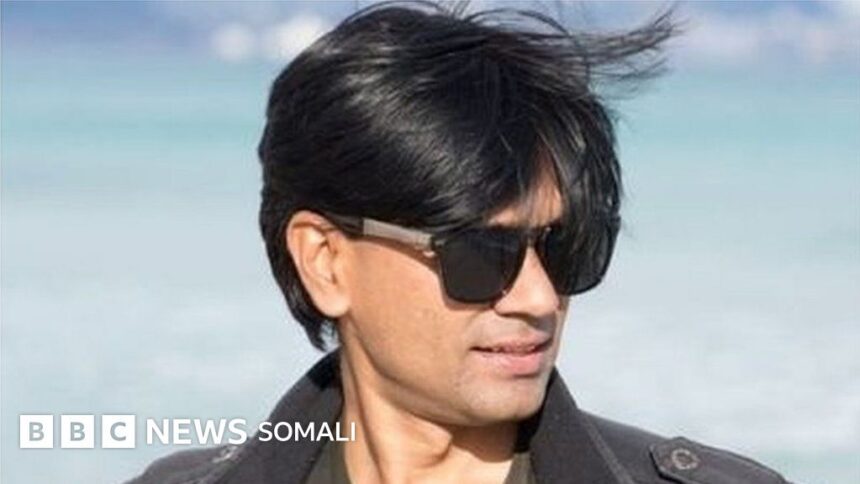
Recently, prominent Indian journalist Mohammed Zubair was arrested amid controversies surrounding his comments about a leading BJP spokesperson. Zubair has been accused of inciting communal disharmony through his social media posts, raising significant concerns among civil rights advocates and political observers regarding freedom of expression in India.
Background of the Arrest
Mohammed Zubair, the co-founder of the fact-checking website Alt News, was taken into custody by Delhi Police based on allegations dating back to a 2018 tweet. The police claim that his tweet was offensive to followers of Hinduism, following which Zubair faced multiple charges, including incitement to violence and conspiracy.
His arrest came at a time when tensions between religious communities in India have been heightened, particularly after comments made by Nupur Sharma, a spokesperson for the ruling BJP. Sharma’s remarks had led to protests across various Muslim-majority countries, raising the stakes for any commentary deemed disrespectful towards Hindu beliefs.
Legal Proceedings and Public Reaction
Upon his arrest, Zubair was immediately taken through judicial procedures, with a court hearing regarding his case. The situation escalated as social media platforms were flooded with reactions, both in support of and against Zubair. Many prominent figures, including fellow journalists, human rights activists, and opposition leaders, condemned his detention, urging a reevaluation of the legal constraints on journalistic expression in India.
Zubair’s supporters argue that he has served as a critical voice against misinformation and hate speech in Indian politics. They believe that his work sheds light on issues surrounding communal violence, and the legal actions against him are part of a broader trend of silencing dissenting voices within the media.
The Broader Implications
The incident raises critical questions about the state of free speech in India. With increasing scrutiny over journalists and activists, there are growing fears regarding state-led suppression of dissent. The political climate has shifted considerably, with many analysts suggesting that the current administration is increasingly intolerant of criticism, especially when it pertains to communal issues.
As pressure builds around Zubair’s case, various human rights organizations, including the United Nations, have expressed concern over the implications for freedom of speech and the right to dissent in India. This incident could serve as a pivotal moment in the ongoing battle between governmental authority and journalistic freedom.
Why This Matters
This case is emblematic of the broader issues affecting the media landscape in India. The government’s actions are perceived as an aggressive tactic to control narratives and silence voices that challenge the status quo. For Indian readers, the outcome of Zubair’s case is crucial not only for its immediate implications on freedom of expression but also for the precedent it sets regarding who gets to speak and what can be said in a democracy. As journalists face increasing risks, this situation highlights the urgent need for robust protections for those who critique power and advocate for truth.
Frequently Asked Questions
What charges were brought against Mohammed Zubair?
Zubair faces charges including incitement to violence, conspiracy, and promoting enmity between different religious groups based on a tweet he posted in 2018.
What led to the escalation of communal tensions in India?
Communal tensions have escalated primarily due to inflammatory comments made by political leaders, specifically Nupur Sharma of the BJP, which sparked widespread protests and tensions in various countries.
How have civil society and human rights groups responded to Zubair’s arrest?
Many civil society organizations and human rights groups have condemned Zubair’s arrest, viewing it as an attempt to stifle free speech and suppress dissent in India.
What might be the impact of this case on Indian journalism?
The case could have significant repercussions for Indian journalism by discouraging journalists from reporting on sensitive issues and potentially leading to self-censorship in the media.