
Recent High Court Ruling Stirs Controversy Over Reservation for Backward Class Muslims
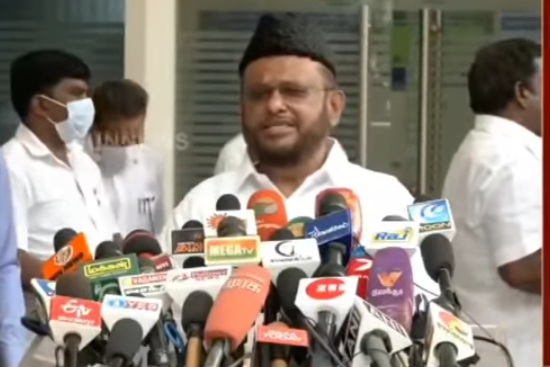
Professor M.H. Jawahirullah, president of the Manithaneya Makkal Katchi (MMK) and a member of the Tamil Nadu Legislative Assembly, has expressed profound concern regarding the recent Madras High Court judgment that annulled the 3.5 per cent reservation for Backward Class Muslims who converted to Islam. He deems the ruling a significant blow to social justice, undermining long-standing affirmative action policies in Tamil Nadu aimed at uplifting marginalized communities.
Historical Context of Reservation Policy
The origin of the 3.5 per cent reservation for Backward Class Muslims dates back to 2007 when then Chief Minister M. Karunanidhi recognized the socio-economic challenges faced by this community. The Tamil Nadu Muslim Munnetra Kazhagam advocated for the separate reservation, emphasizing the historical educational and economic disadvantages Muslims have faced in the state. As Jawahirullah highlighted, extensive studies into the socio-economic conditions of Muslims had prompted the government’s affirmative action policy aiming for social equity.
Judicial Precedents and Legal Argumentation
Jawahirullah cited multiple precedents from the Madras High Court that have supported the rights of individuals from Backward Class communities who have converted to Islam. The 2015 R. Ayesha vs Government of Tamil Nadu ruling reinforced the notion that conversion should not strip individuals of their backward class status, while subsequent judgments validated BCM certificates issued to converts from Backward Hindu communities. Despite these legal affirmations, the recent judgment overlooks this established body of law, leading to fears of marginalization among the converts.
Government Response and Future Implications
In light of the recent ruling, Jawahirullah has called upon the Tamil Nadu government to appeal before a larger bench of the Madras High Court to safeguard the reservation benefits for Backward Class Muslims. After previous discussions, including assurances from Chief Minister M.K. Stalin in early 2024, the Tamil Nadu government initiated steps to issue BCM community certificates to eligible converts. However, with the recent judgment, these advancements may be jeopardized, reigniting the dialogue on social justice and equality in the state.
Why It Matters
This ruling has broader implications for social justice discourse within India, particularly concerning minority communities. It could set a precedent for future policies affecting marginalized groups, highlighting the tension between judicial interpretations of social equity and the promises made by political leaders. Furthermore, it raises questions regarding the ongoing challenge of balancing social justice with constitutional frameworks amidst a changing political landscape, particularly under the governance of Sangh Parivar-affiliated parties, which have been scrutinized for their approach toward minority rights.
Frequently Asked Questions
What is the significance of the 3.5 per cent reservation for Backward Class Muslims?
The reservation aims to address historical educational, social, and economic disadvantages faced by Muslim communities in Tamil Nadu, promoting equity and social justice.
What legal precedents exist regarding this reservation policy?
Previous judgments, including the 2015 R. Ayesha case, uphold the eligibility for BCM status for individuals converting to Islam, reinforcing their right to reservation benefits.
What steps did the Tamil Nadu government take after the recent court ruling?
Jawahirullah has urged the government to appeal the judgment and has previously received assurances from Chief Minister M.K. Stalin to explore legal avenues to issue BCM certificates for eligible converts.
Why are the rights of Backward Class Muslims important in the current socio-political context?
The ongoing debate reflects broader struggles concerning minority rights and social justice in India, especially in light of rising nationalism and potential marginalization of minority groups under current governance.