
Summary
Eight individuals have been arrested in connection with alleged embezzlement of donations at the Ram Mandir in Ayodhya, raising concerns over financial management within the revered temple. The arrests were made following a report from a Special Investigation Team (SIT) that uncovered possible misappropriation of funds intended for temple operations.
Details of the Arrests
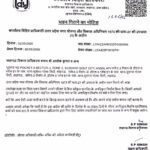
The arrests took place after a complaint from Krishna Mohan of the Shri Ram Janmabhoomi Teerth Kshetra Trust, leading to the registration of a First Information Report (FIR) on Thursday evening. The accused—whose names include Ramshankar Yadav, Lavkush Mishra, and Avinash Shukla—have been charged under various sections of the Bharatiya Nyaya Sanhita, encompassing theft, cheating, criminal breach of trust, and criminal conspiracy.
According to police reports, these individuals were directly responsible for counting and managing cash and valuables donated by temple visitors. They are suspected of misappropriating substantial sums collected from donation boxes located within the temple premises. The FIR suggests that further questioning of the accused will continue, with plans to present them before a magistrate shortly.
Investigation Process and Findings
The SIT, led by Lucknow Divisional Commissioner Vijay Vishwas Pant, was established following allegations made on June 13. The investigation process included a thorough review of donation records, cash handling protocols, and surveillance footage, in addition to interviews with relevant temple staff.
The team has indicated that the investigation is transitioning into a criminal prosecution phase, with financial trails being explored and the possibility of additional arrests on the table. Notably, while senior members of the Shri Ram Janmabhoomi Teerth Kshetra Trust, such as General Secretary Champat Rai, are under scrutiny, they have not been named in the FIR.
Community Reactions and Implications
The case has elicited strong reactions from various religious leaders in Ayodhya. Notable figures, including Karpatri Maharaj and representatives from Hanuman Garhi, have voiced dissatisfaction with the SIT’s handling of the case, urging Chief Minister Yogi Adityanath to ensure stringent actions against those implicated. They have called for swift justice and severe punishment for any guilty parties, reflecting a concern for the integrity of the temple’s financial management.
This incident not only raises ethical questions about donation handling in religious institutions but also signifies a broader discourse on accountability within organizations linked to cultural and religious identity. Authorities have committed to conducting a thorough and transparent investigation, aiming to address public concerns regarding trust and accountability in managing donations.
Why It Matters
This situation underscores critical issues surrounding financial governance and accountability in religious institutions, particularly for a temple as significant as the Ram Mandir. For the Indian society, which often grapples with discrimination and exclusion, ensuring transparency in donation management can play a role in restoring faith and confidence among diverse community segments.
Furthermore, the unfolding developments may impact public perception of the ruling Bharatiya Janata Party (BJP) and the larger socio-political landscape in India. As scrutiny intensifies on the workings of religious trusts, the response from governing bodies could set a precedent for future administrative integrity within both religious and civic organizations.
Frequently Asked Questions
What triggered the arrests at Ram Mandir?
The arrests were triggered by a complaint from Krishna Mohan of the Shri Ram Janmabhoomi Teerth Kshetra Trust, leading to an investigation that uncovered allegations of embezzlement and misappropriation of donations at the temple.
Who are the individuals arrested?
The eight individuals arrested include Ramshankar Yadav, Lavkush Mishra, Anukalp Mishra, Avinash Shukla, Manish Yadav, Ramashankar Mishra, Subhash Chandra Srivastava, and Karunesh Pandey. They face charges of theft, cheating, and criminal conspiracy.
What is the role of the Special Investigation Team?
The Special Investigation Team (SIT) was tasked with investigating allegations of financial irregularities in managing donations at the temple. Their work included examining records and interviewing staff, ultimately leading to the arrests.
What are the broader implications of this case?
The case highlights significant issues regarding the management of funds in religious institutions, raising questions about accountability and transparency. It can shape public perception of the ruling authorities and potentially influence future regulatory measures for such organizations.