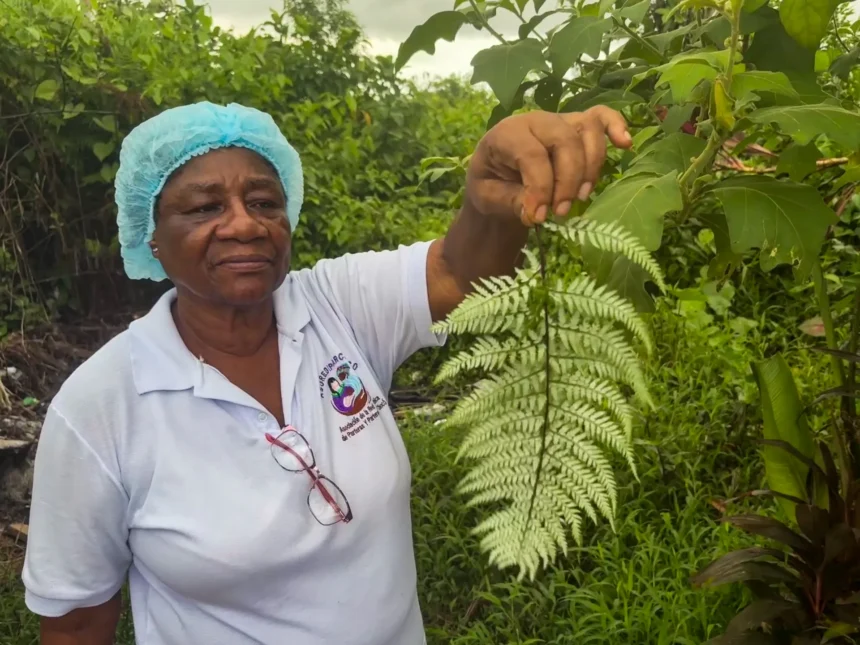

Quibdó, Colombia – In the remote Colombian municipality of Unguía, traditional midwives like Nohemí Manco play an important role in maternal healthcare. With limited access to medical facilities, these midwives serve as the primary healthcare providers, delivering babies and offering vital support to mothers in rural areas. Manco’s extensive experience highlights the critical function of midwives, especially within underserved communities.
The Role of Traditional Midwives
Nohemí Manco began her journey as a midwife at the young age of 14, delivering her sister’s baby while facing significant challenges. With healthcare options scarce and emergency transportation often unaffordable, Manco relied on traditional knowledge passed down through generations. For decades, she has supported expectant mothers, delivering over 1,200 babies in her lifetime in the coastal department of Choco.
In Colombia, particularly among Afro-descendant and Indigenous populations, traditional midwives—known as “parteras tradicionales”—are often the first point of care for pregnant women. They play a pivotal role in monitoring pregnancies, assisting in births, and providing postpartum care, contributing to a sense of community and continuity.
Healthcare Inequalities in Rural Areas
The challenges faced by Manco and other midwives reflect larger systemic issues in maternal healthcare in rural Colombia. Many expectant mothers live in isolated areas where hospitals may be hours or even days away. The lack of accessible medical care can lead to higher risks of complications during childbirth, contributing to increased mortality rates among mothers and infants.
Liany Katerine Ariza Ruiz, a public health researcher at Pontificia Universidad Javeriana, notes that there is a “higher concentration of deaths, proportionally, in rural territories.” Midwives are essential in these settings, serving as the most consistent healthcare resource available to women who might otherwise face life-threatening situations alone.
Lessons for India’s Maternal Healthcare
India faces its own challenges in providing maternal healthcare, particularly in rural regions where access to quality medical facilities is limited. Traditional practices, similar to those in Colombia, exist in various Indian communities, where local midwives play a crucial role in maternity care. The Indian government has recognized the importance of trained birth attendants and community health workers, but disparities in health outcomes still persist, particularly in remote areas.
Moreover, initiatives like the National Health Mission aim to improve maternal health, but the integration of traditional knowledge and community midwives could enhance outreach and efficacy. Understanding the Colombian model may offer insights for improving maternal care systems in India.
What This Means
The situation depicted in Colombia underlines the vital importance of community-based healthcare, especially for marginalized populations. For Indian readers, it presents an opportunity to reflect on their own healthcare challenges, particularly in rural areas where traditional practices often coexist with modern medicine. Integrating local knowledge with health infrastructure could serve as a stepping stone for improving maternal health outcomes across diverse settings.
Frequently Asked Questions
What are the qualifications for traditional midwives in rural areas?
Traditional midwives often gain their skills through familial traditions and community training rather than formal education. Their expertise is typically based on experience and apprenticeship under experienced midwives.
How do midwives address complications during childbirth?
Midwives utilize traditional knowledge and skills to manage complications. However, their ability to address serious medical issues is limited, making timely access to medical facilities critical in emergencies.
What role do governments play in supporting midwives?
Governments can provide training, resources, and integration into the formal healthcare system. Support for midwives can improve maternal health outcomes and ensure better access to care for expectant mothers.
Can traditional midwifery practices be integrated into modern healthcare systems?
Yes, there is growing recognition that combining traditional midwifery with modern healthcare can enhance maternal care, particularly in underserved areas. Collaboration can lead to improved trust and outcomes for mothers and their newborns.