
Summary of the Incident
A recent incident in Modasa, Gujarat, has spotlighted ongoing concerns regarding discrimination faced by Indian Muslims, particularly within public services. A young Muslim man, Suthar Moin, reported that he was publicly humiliated and labeled a “terrorist” at Dr Vinay Gandhi Hospital, igniting a fierce debate over communal prejudice and the treatment of marginalized communities in healthcare settings.
Details of the Incident
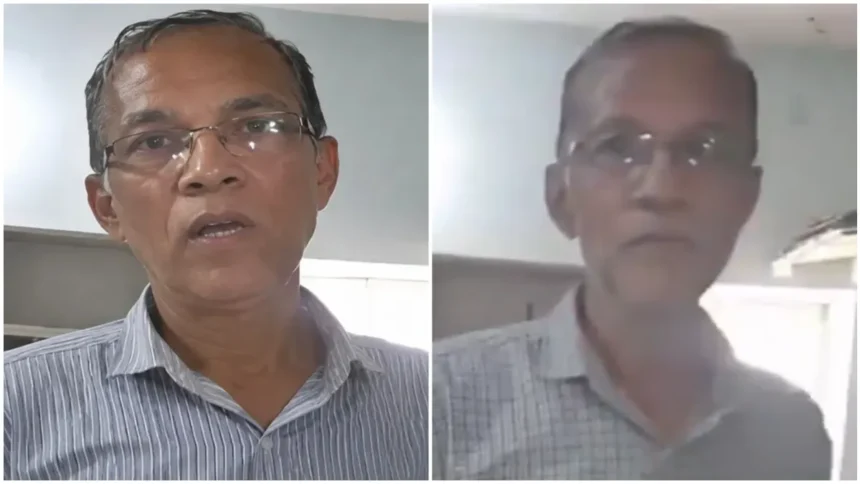
Suthar Moin was at Dr Vinay Gandhi Hospital for routine medical paperwork when an employee at the on-site pharmacy allegedly glanced at his name and remarked, “The terrorists have arrived,” in a loud voice. This incident not only shocked Moin but also left him and his family deeply embarrassed. The situation escalated when Moin sought a response from the hospital’s chief, Dr Vinay Gandhi, who reportedly dismissed the complaint, encouraging Moin to involve the media if he wished, stating, “I have no problem with that.” Such a response raised questions about the hospital’s response to complaints of discrimination within its premises.
Reactions from the Public
The local community, social activists, and users on social media have expressed outrage over the incident, labeling it as a clear case of religious discrimination. Critics argue that in a healthcare environment—where the principal focus should be healing and compassion—this kind of stereotyping based solely on a person’s name or religion is unacceptable. Posts on social media have gone viral, with users condemning such behavior as a violation of constitutional rights and an affront to human dignity. One post posed a poignant question regarding the audacity to label someone a terrorist simply based on their identity, highlighting broader societal issues related to rising intolerance.
Calls for Action and Broader Implications
In the aftermath of the incident, there have been increasing calls from various quarters for a thorough and impartial investigation into the matter. There is a growing consensus among social media users that strict actions should be taken against individuals responsible for such discriminatory behavior, to ensure every patient receives the respect and healthcare they deserve, irrespective of their faith or identity. The incident not only underscores the alarming levels of discrimination present within healthcare settings but also serves as a reminder of the need for institutional reforms to foster an inclusive environment. Critics have called for heightened awareness initiatives aimed at curbing prejudice that continues to pose challenges to communal harmony and societal cohesion in India.
Why It Matters
This incident reflects broader systemic issues regarding discrimination against Muslims in India, a topic that has far-reaching consequences for societal harmony and inclusivity. The attitude displayed by the healthcare provider raises significant concerns over the treatment of marginalized individuals in critical sectors. It illustrates the urgent need for institutions, especially in the public domain, to adopt zero-tolerance policies regarding discrimination to foster environments where all individuals are treated equally and humanely. The implications extend beyond healthcare, influencing public perception and community relations, while highlighting the need for ethical conduct in service sectors.
Frequently Asked Questions
What happened to Suthar Moin at the hospital?
Suthar Moin claimed that an employee at Dr Vinay Gandhi Hospital publicly labeled him a “terrorist” based on his name during a routine medical visit, leading to emotional distress for him and his family.
How did hospital management respond to the incident?
The hospital’s chief, Dr Vinay Gandhi, reportedly dismissed Moin’s complaint and expressed a lack of concern about media involvement, which has further fueled criticism of the hospital’s handling of discrimination issues.
What has been the reaction from the community and social media?
The incident sparked outrage among locals, social activists, and netizens, who condemned the behavior as religious discrimination and called for accountability and action against the individuals involved.
Why is this incident significant for Indian society?
This incident highlights ongoing issues of discrimination against Muslims in India, raising questions about communal harmony and the treatment of marginalized groups within public services, especially healthcare. It calls for systemic changes to ensure equitable treatment for all.