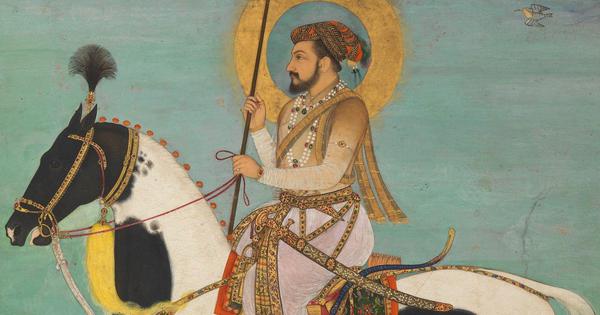

The Tazkira-i Pir Hassu Teli by Surat Singh, a 17th-century biography of a Muslim saint, contradicts contemporary narratives that frame Indian history solely through the lens of religious conflict. This document reveals a more intricate social fabric in Mughal India, showcasing the coexistence and spiritual intermingling between Hindus and Muslims despite increasing communal tensions in modern times.
Surat Singh’s Multifaceted Identity
Surat Singh, a Kambo Hindu from Punjab, served in various administrative roles within the Mughal Empire. His biography is not just a religious text; it represents a fusion of identities—Hindu, Mughal servant, Persian poet, and disciple of a Muslim saint. Instead of presenting his religious affiliations as rigid identities, he navigated the complexity of his existence in a pluralistic society, showing how these layers coexisted harmoniously.
Spiritual Encounters Across Religious Boundaries
One of the most notable aspects of Surat Singh’s writing is his spiritual openness. He recounts dreams in which he encounters the Prophet Muhammad and other Muslim saints, articulating these experiences without contradiction to his Hindu identity. His reverence for figures like Guru Nanak further exemplifies this fluidity, as he describes visions where both Guru Nanak and Pir Hassu Teli reflect the same spiritual truth, transcending religious distinctions. These interactions underscore a shared spiritual ethos, illustrating that such experiences were not monopolized by one faith but rather shared across cultural lines.
Cultural Interactions in Mughal Society
Surat Singh’s life in Lahore during Shah Jahan’s reign illustrates the possibility of communal harmony. His neighborhood included both Hindus and Muslims, as seen through his close relationship with a Muslim scholar, Abdul Karim. Their families lived side by side, participating in literary culture that fostered collaboration. The mushaira sessions where poets from both communities engaged exemplified a collective cultural space that valued artistry over religious affiliation. This context challenges modern understandings of Hindu-Muslim relations as merely binary and conflictual.
Why It Matters
The insights from Surat Singh’s experiences are critically relevant today, particularly concerning ongoing narratives about communal tensions in India. As discrimination, social exclusion, and economic marginalization of communities can often stem from oversimplified historical interpretations, recognizing the intricate interdependencies and cultural exchanges of the past can foster greater understanding. This perspective encourages dialogue over division, highlighting that coexistence, while perhaps challenged, is historically rooted and essential for navigating contemporary societal issues.
Frequently Asked Questions
What is the significance of the Tazkira-i Pir Hassu Teli?
The Tazkira-i Pir Hassu Teli is noteworthy for presenting a nuanced view of religious coexistence in 17th-century India, contradicting the modern portrayal of deep-seated conflict between Hindus and Muslims.
Who was Surat Singh, and what was his role in Mughal society?
Surat Singh was a Kambo Hindu official and poet in Mughal service, who navigated multiple cultural and religious identities while engaging with both Hindu and Muslim spiritual traditions.
How do Surat Singh’s accounts reflect the social dynamics of his time?
His writings illustrate a society where people of different faiths interacted closely, participating in shared cultural and spiritual gatherings, thus highlighting a more complex social fabric than often depicted today.
What lessons can modern readers draw from Surat Singh’s experiences?
Modern audiences can learn about the benefits of pluralism and coexistence, emphasizing the value of interfaith dialogue and understanding in addressing contemporary communal tensions.