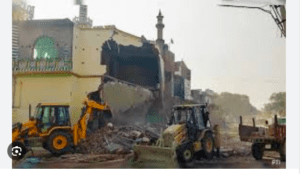

Recent reports indicate that the Indian government under the Bharatiya Janata Party (BJP) is forcibly expelling ethnic Bengali residents, primarily Muslims, from West Bengal towards Bangladesh. Human Rights Watch (HRW) has called these actions a severe infringement on human rights, raising alarms about the ongoing discrimination and marginalization faced by Indian Muslims.
The Forcible Expulsions: A Grave Concern
Human Rights Watch has expressed serious concerns regarding reports indicating that Indian authorities are unlawfully deporting ethnic Bengalis, particularly Muslim residents of West Bengal, into Bangladesh. These actions reportedly lack essential legal processes, violating fundamental human rights protocols. Many individuals affected are long-term residents who find themselves detained or expelled without any legal safeguards.
HRW’s Deputy Asia Director, Meenakshi Ganguly, condemned the practice, stating, “Indian authorities are cruelly dumping families into Bangladesh or leaving them stranded at the border, ignoring their basic human rights.” Her remarks illustrate the humanitarian implications of these actions, particularly for families caught in the crosshairs of political and social exclusion.
Detention and the “Detect, Delete and Deport” Policy
The escalated deportations are part of a broader policy initiated by the BJP, particularly following their election victory in West Bengal in March. Chief Minister Suvendu Adhikari claimed that hundreds of so-called “Bangladeshi infiltrators” have been detained and that nearly 5,000 individuals have been forced to exit the country under his government’s “detect, delete, and deport” strategy.
This policy appears to target not just individuals but entire communities, exacerbating a climate of fear among Bengali Muslims. The HRW report highlighted a troubling trend where ethnic profiling has led to arbitrary detention. Reports indicate that around 400 people are currently locked in detention centers near the West Bengal border, using exclusion from voter roles as a justification for their arrest and potential deportation.
Human Rights Implications and International Obligations
HRW’s findings underline serious violations of international human rights obligations. India is bound by the International Covenant on Civil and Political Rights, which mandates the protection of individuals within its jurisdiction. Reports of individuals being abandoned without food or shelter raise serious concerns about cruel, inhuman, or degrading treatment, all of which are prohibited under international law.
The organization also warned that separating children from their families and expelling them could violate the UN Convention on the Rights of the Child, an agreement that emphasizes the need for states to respect every child’s right to preserve their nationality. Both the Indian and Bangladeshi governments need to ensure that humane standards are upheld at their borders, focusing on human dignity above all.
Why It Matters
The geopolitical dynamics of South Asia are complex, and the treatment of minorities in India, particularly Muslims, continues to shape international perceptions of the region. The ongoing human rights issues could trigger diplomatic repercussions that affect trade and cooperation between India and its neighbors. The significant number of individuals affected highlights broader social issues concerning discrimination and exclusion that resonate beyond the borders of India and into global discussions of human rights.
For technology developers and users, these human rights conditions may also instigate discussions around developing systems that monitor and report human rights abuses, aiding organizations like HRW in their missions. Moreover, the situation raises questions about responsible governance and technology’s role in safeguarding human rights.
Frequently Asked Questions
What is the “detect, delete and deport” policy?
The “detect, delete and deport” policy refers to a strategy employed by some state authorities in India aimed at identifying and expelling individuals deemed to be illegal immigrants, often targeting minority communities such as Bengali Muslims.
How many people have been affected by these expulsions?
Reports indicate that nearly 5,000 people have been forced to leave, with around 400 currently held in detention centers near the West Bengal border.
What legal obligations does India have regarding human rights?
India is bound by the International Covenant on Civil and Political Rights, which necessitates the protection of the rights of all individuals within its jurisdiction, and it must adhere to international standards concerning human dignity.
What does HRW say about the treatment of children in this matter?
HRW has highlighted that expelling or stranding children violates the UN Convention on the Rights of the Child, which obliges states to preserve the nationality of every child.