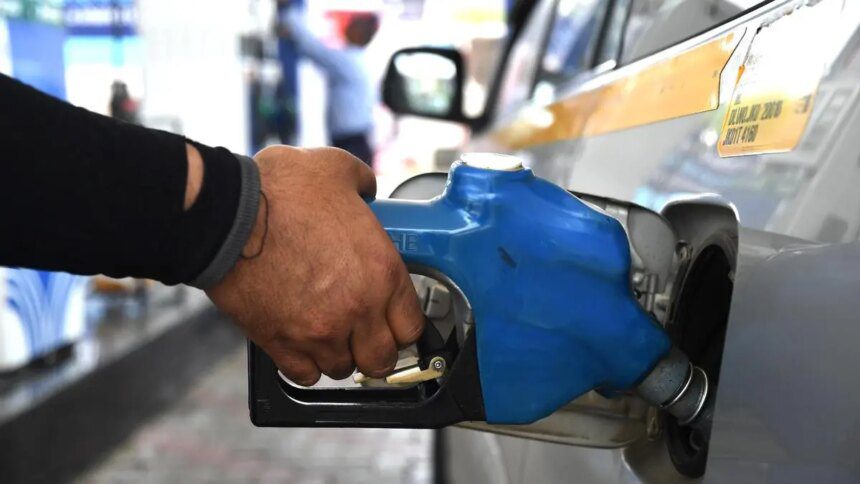

The government has recently capped diesel sales at retail outlets after a substantial shift of fuel from bulk to retail users emerged in May 2026. Fuel prices at retail outlets are significantly lower than bulk sale prices, leading to increased sales at these stations. The rise in retail consumption has implications for fuel management and pricing strategies nationwide.
Rising Retail Diesel Consumption
In May 2026, over 3.50 lakh tonnes of diesel were diverted from bulk industrial and commercial users to retail fuel dispensing stations (ROs). This shift resulted in a marked increase in sales at ROs, triggering a government response to control the situation. According to Sujata Sharma, Joint Secretary in the Oil Ministry, 42 crore litres of diesel sales shifted from bulk users to ROs, causing sales at retail outlets to surge alarmingly.
A striking observation revealed that more than 10% of India’s districts—80 in total—recorded over 30% of diesel sales transitioning from bulk to retail. Moreover, around 42% of districts saw sales rise by more than 10% compared to the previous year, indicating a widespread trend across various regions.
Price Discrepancies Influence Consumer Behavior
One of the primary factors driving the shift in consumption has been the substantial price difference between diesel sold at retail outlets and that sold to bulk consumers. As per recent reports, diesel at retail outlets is cheaper by ₹40-42 per litre. For instance, in Delhi, diesel priced at retail pumps stands at ₹95.20 per litre, as opposed to ₹134.50 per litre for bulk buyers.
This pricing discrepancy has led to many individuals and businesses opting for retail purchases rather than relying on bulk fueling stations. The Oil Ministry highlighted that bulk diesel sales, which accounted for 12.6% of total direct diesel sales in May 2025, fell to 8.3% in May 2026. This shift translates to a significant diversion of around 350,000 tonnes of diesel from bulk to retail channels.
Government Response and Regulation
In light of rising retail sales and concerns of black marketing, the Oil Ministry implemented regulatory actions, mandating that each retail outlet can sell up to 200 litres of diesel per person per day. This decision aims to prevent hoarding and ensure fair distribution among consumers.
Moreover, in May 2026 alone, the Ministry noted that around 156 districts saw diesel sales soaring by over 30%, with some districts recording sales doubling. These developments prompted the enforcement of stringent measures, including the registration of 1,330 FIRs in LPG-related cases, resulting in numerous arrests and significant fuel seizures to tackle illegal sales practices.
What This Means
The recent capping of retail diesel sales and the observed shift in consumption patterns illustrate the necessity for the government to address fuel pricing and distribution effectively. This situation reflects broader trends within India’s energy sector, wherein pricing strategies and regulatory actions can significantly impact consumer behavior. The shifts from bulk to retail outlets indicate a growing demand for transparency and fair pricing among consumers, particularly in a country where fuel prices are crucial to day-to-day economic activities.
From an economic perspective, the under-recovery of costs by public sector oil marketing companies—currently estimated at ₹700 per 14.2 kg LPG cylinder, ₹27 per litre of diesel, and ₹3 per litre of petrol—highlights a critical strain in budgeting for these essential services. As consumer behaviors shift, long-term planning and regulatory adjustments become vital to maintaining a stable supply chain and price equilibrium across the sector.
Frequently Asked Questions
Why has the government capped diesel sales at retail outlets?
The government capped diesel sales due to a significant diversion of diesel from bulk users to retail outlets, which caused panic buying and unusually high sales at retail stations.
How much cheaper is retail diesel compared to bulk diesel?
Retail diesel is cheaper by ₹40-42 per litre compared to diesel sold at dedicated dispensing stations for bulk users, with prices currently at ₹95.20 and ₹134.50 per litre, respectively, in Delhi.
What measures has the Oil Ministry taken to manage diesel sales?
The Oil Ministry has mandated that retail outlets can sell up to 200 litres of diesel per person per day and has increased enforcement against illegal sales practices.
What impact does this have on the Indian economy?
The rise in retail diesel consumption and the subsequent regulatory responses may affect fuel pricing, supply chain stability, and overall economic activity, highlighting the critical nature of fuel accessibility in India.