
Recent social media narratives have emerged accusing certain individuals of hooliganism and targeting women, sparking outrage in various circles. However, reports indicate that these claims may not accurately reflect the incidents, raising concerns about the spread of misinformation within political contexts, particularly involving influential right-wing accounts.
Context of the Incident
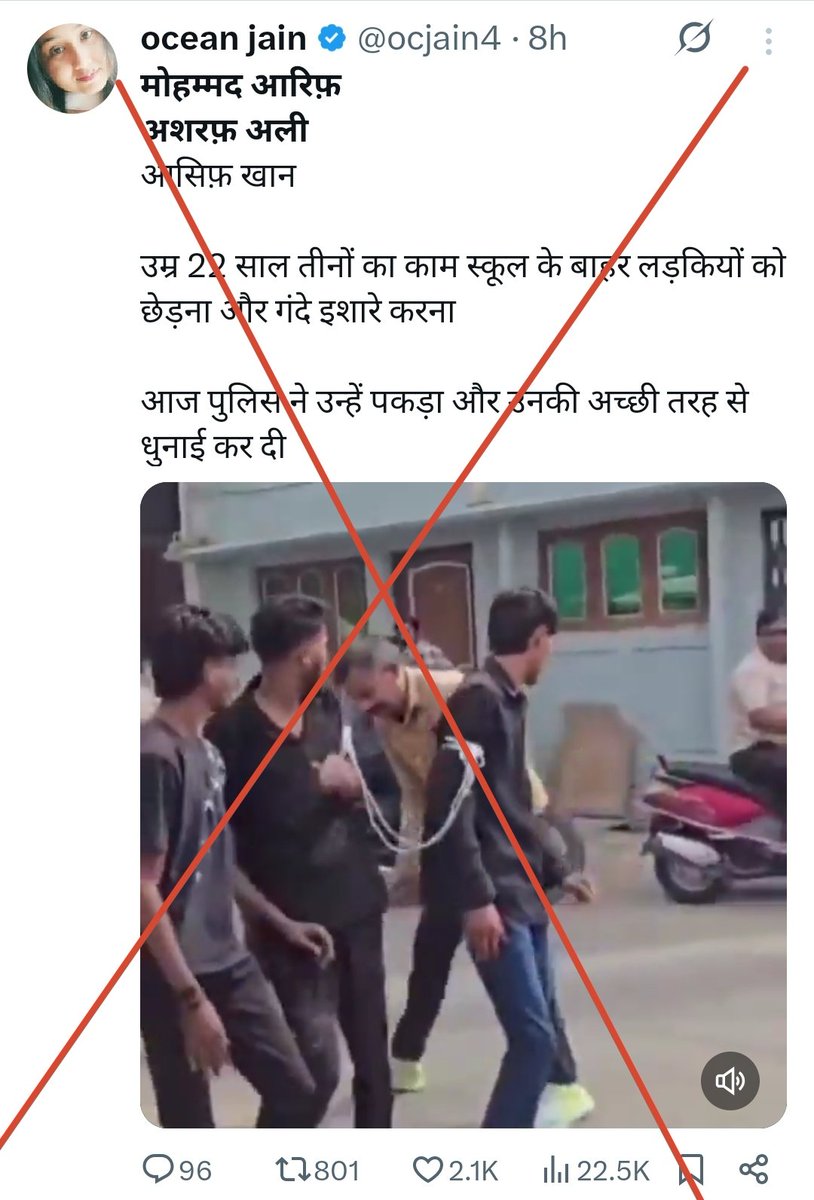
In April, an incident unfolded in which a group of individuals created chaos during the night by pelting stones at houses and vehicles, damaging property in the process. According to police reports, three men identified as Kishan, Vikas, and Ramesh were arrested in connection with this incident. They were later taken to the site of their vandalism for identification and further investigation. The shocking nature of this incident ignited local and national conversations, predominantly focusing on the role and portrayal of various community groups within the broader socio-political framework.
The Role of Social Media and Misinformation
In the wake of the incident, it became apparent that various right-wing social media accounts began disseminating the story, often framing it in a manner that inflamed communal tensions. One notable tweet referenced three individuals—Mohammad Arif, Ashraf Ali, and Asif Khan—suggesting they were involved in harassing women, a claim that has not been substantiated with credible evidence. Instead, what began as a story about vandalism rapidly morphed into a narrative promoting stereotypes about Muslim men, effectively leveraging the incident to push a specific agenda. The manner in which these narratives spread exemplifies the potential dangers of social media, especially when wielded by influential commentators with substantial followings.
Political Implications
The situation at hand has significant political ramifications, particularly for the Bharatiya Janata Party (BJP), which has been known to foster alliances with right-wing figures who promote incendiary rhetoric. As these accounts grew in visibility, their narratives appeared to gain acceptance within certain political circles, with claims that they bolster support for the BJP by appealing to communal sentiments. This relationship raises troubling questions about the intertwining of misinformation and political endorsement and how it can serve to polarize communities further.
Why This Matters
The potential for misinformation to shape public perception and policy is critical in Indian politics, especially as communal tensions remain a sensitive issue. The manipulation of narratives surrounding incidents involving particular communities can lead to increased hostility and division. When influential political figures champion these narratives, it not only harms individual reputations but can also have wider societal consequences, undermining the fabric of communal harmony in India. Assessing the role of social media in these scenarios is essential for discerning fact from fiction, particularly in an era where misinformation can spread rapidly.
Frequently Asked Questions
What caused the uproar regarding the incident?
A group of individuals was involved in vandalism, which escalated into claims of harassment directed at women, specifically portraying members of the Muslim community in a negative light.
Who were the individuals arrested during the incident?
The police arrested three individuals named Kishan, Vikas, and Ramesh, who were involved in the vandalism during the night.
How has social media influenced the narrative surrounding these events?
Right-wing accounts on social media have disseminated misleading information about the incident, framing it in a manner that promotes communal stereotypes and potentially inciting tensions.
What is the political relevance of this situation for the BJP?
The BJP has been noted for aligning with right-wing figures who spread such narratives, thereby leveraging them to consolidate support while polarizing communities along religious lines.