
Secretary-General Condemns Violence Against Seafarers
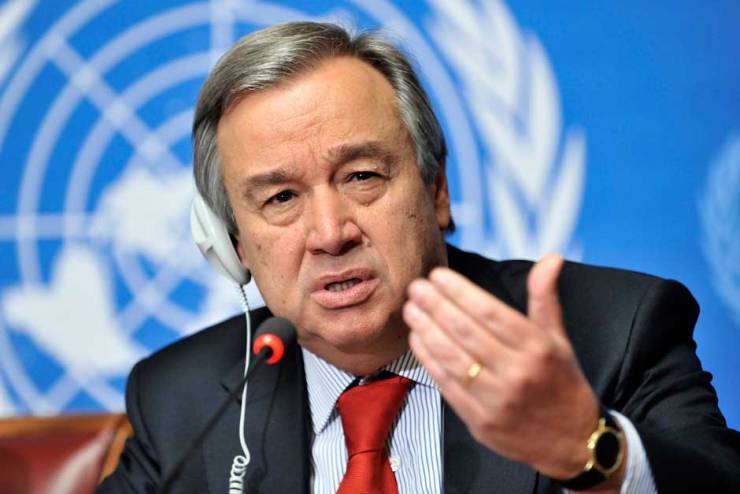
In a concerning escalation of tensions in West Asia, UN Secretary-General Antonio Guterres condemned the attack on a Palau-flagged tanker off the coast of Oman, which resulted in the deaths of three Indian seafarers. This incident highlights the increasing volatility in the region tied to US and Iranian military actions.
Details of the Attack on MT Settebello
On June 10, the tanker MT Settebello was reportedly struck by US forces near the strategically crucial Strait of Hormuz after a projectile impacted the vessel, resulting in a fire that claimed the lives of three Indian crew members from a total of 24 on board. The attack has drawn widespread international condemnation, with UN Spokesman Stephane Dujarric expressing solidarity with the International Maritime Organisation (IMO) Secretary-General Arsenio Dominguez, who labeled the assault “simply unacceptable.”
Dominguez emphasized the need for a thorough investigation and called for adherence to international laws that ensure the safety of maritime operations and protect civilians involved in shipping.
India’s Strong Diplomatic Response
The Indian government has vocally reacted to the recent incidents involving its seafarers. In just four days, three merchant vessels with Indian crews were struck by US Navy forces under varying circumstances, notably the Palau-flagged Marivex and Jalveer. As a result, India’s Ministry of External Affairs summoned the US Charge d’Affaires to issue a formal diplomatic protest. External Affairs Ministry spokesperson Randhir Jaiswal described the situation as “deeply worrisome.”
These attacks occur against the backdrop of a US-imposed blockade on Iranian ports, following Iran’s reported closure of the Strait of Hormuz—an essential route for global energy trade. The situation underscores the risks faced by civilians in international waters and raises concerns about safe navigation in increasingly hostile waters.
Escalating Regional Tensions and Broader Implications
Guterres has raised alarms over broader West Asian escalations, including US military actions against Iran and retaliatory strikes by Iran on neighboring nations uninvolved in the conflict. He has urged for an urgent return to a ceasefire, warning that the current trajectory could spiral into a full-scale war with unpredictable global fallout.
According to Guterres, dialogue and negotiation are essential to achieving a peaceful resolution and securing both regional and international stability. The Secretary-General’s stance reflects the pressing need to consider international security in light of maritime safety and the protection of civilian lives.
Why It Matters
This escalation of tensions is not just of regional importance; it has global ramifications. The security of maritime operations is critical for international trade, particularly in energy supplies. Such incidents can lead to increased insurance rates for shipping companies, potential navigation route changes, and an overarching sense of insecurity among seafarers worldwide. Moreover, the rising confrontation has broader implications for geopolitical stability, highlighting the fragility of relationships among key global powers.
Frequently Asked Questions
What led to the attack on the MT Settebello?
The attack on the MT Settebello occurred amid rising tensions due to US-Iranian military activities, with the tanker being struck by US forces after a projectile hit the vessel.
What has been the reaction from India?
India has expressed significant concern over the incidents involving its seafarers, formally protesting the US military actions by summoning the US Charge d’Affaires and labeling the attacks as “deeply worrisome.”
What are the implications of the Strait of Hormuz closure?
The closure of the Strait of Hormuz, a crucial maritime chokepoint for global energy supplies, poses risks to international shipping and economic stability, potentially leading to inflation and increased energy costs worldwide.
Why is international law important in maritime conflicts?
International law is critical in maritime conflicts as it sets the framework for safe navigation, protects civilian vessels from military attacks, and upholds the rights of seafarers, ensuring that economic and human rights are respected on the high seas.