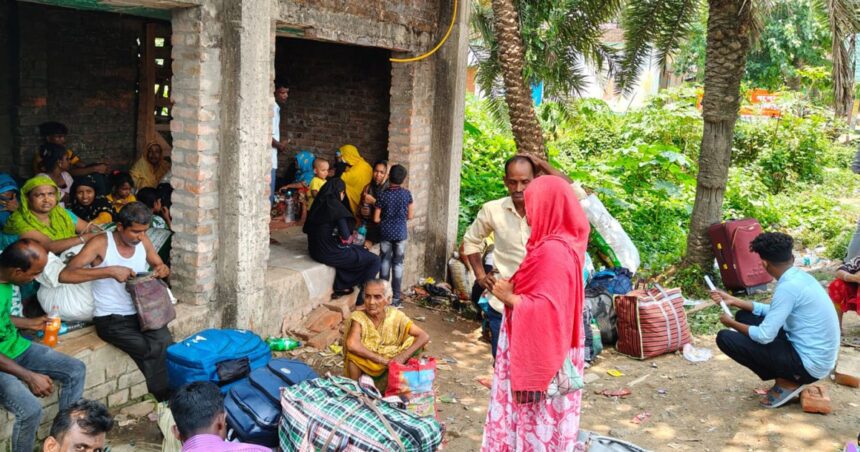

Summary: The recent actions of the Bharatiya Janata Party (BJP) in West Bengal highlight the marginalization of Bangladeshi Muslim migrants in India. Under the direction of newly elected Chief Minister Suvendu Adhikari, the state has ramped up efforts to deport undocumented migrants, disproportionately targeting Muslims, amid fears of escalating religious tensions and discrimination against the community.
Government Crackdown and Religious Targeting
In a significant shift towards exclusionary policies, the BJP-led West Bengal government has initiated a “detect, delete, and deport” strategy aimed at identifying undocumented Muslim migrants from Bangladesh. This marked a drastic escalation in their approach following their recent electoral victory in the state. Families like Raisul Islam’s are now caught in the crosshairs of this campaign, forced to navigate the dangers of being labeled “illegal infiltrators.”
Islam and his family, who had fled poverty in Bangladesh for better livelihoods in India, are now facing detention and deportation. Their plight underscores a broader narrative where the state’s crackdown not only targets undocumented migrants but also incites fear among local Muslim communities, who now worry about their own legal status and safety.
Historical Context of Migration and Tensions
The India-Bangladesh border, stretching over 4,096 km, is not just a line on a map but represents a shared history between the two nations—characterized by centuries of migration and cultural ties. Historically, many impoverished Bangladeshis migrated to West Bengal for work, forming a crucial part of the state’s economy. However, over the years, the rhetoric surrounding migration has shifted dramatically, particularly with the BJP’s rise to power.
Please note the influx of migrants has often been utilized politically to stoke Hindu nationalist sentiments. The BJP has routinely labeled Bangladeshi Muslims as ‘termites,’ fostering a climate of hostility that has led to policies deliberately targeting this demographic for detention and deportation.
Responses and Diplomatic Implications
The West Bengal government’s actions have sparked diplomatic tensions with Bangladesh. Dhaka has expressed concerns over India’s handling of undocumented migrants, seeking adherence to established protocols for verifying nationality. This discord stems not only from the practical aspects of repatriation but also from the historical rapport the two nations have usually enjoyed.
Despite attempts by the new Bangladeshi government to mend ties, the current crackdown threatens to strain relationships further. Bangladesh’s Foreign Affairs Adviser emphasized the need for ethical and procedural diligence in deportations to prevent unjust treatment of their citizens, especially as past experiences have shown that Indian authorities may hastily dispose of legal norms in such matters.
Why It Matters
This situation is particularly significant as it reflects broader issues of discrimination, national identity, and human rights in India. The government’s targeting of Bangladeshi migrants predominantly from a Muslim background is not merely a humanitarian concern; it poses a threat to India’s secular fabric. As civil rights advocates point out, India’s approach towards migrants showcases the fragile balance between national security narratives and upholding human dignity.
The ongoing deportations not only marginalize individuals but also set a precedent that could influence immigration policies throughout the region, potentially creating a humanitarian crisis. This scenario draws attention to the ethical responsibilities that governments assume regarding individuals seeking safety and a better livelihood, irrespective of their nationality or religious beliefs.
Frequently Asked Questions
What actions has the West Bengal government taken against undocumented migrants?
The West Bengal government has initiated a crackdown labeled ‘detect, delete, and deport,’ targeting undocumented Bangladeshi Muslims for deportation while setting up detention centers across the state.
What are the implications for Bangladeshi Muslim migrants in India?
The crackdown instills fear among Bangladeshi Muslims, many of whom may face immediate detention and deportation, exacerbating their already precarious situation. It also raises concerns about the safety and rights of Indian Muslims who could be erroneously implicated.
How has the Bangladeshi government reacted to the deportations?
The Bangladeshi government has expressed concerns over the deportations, emphasizing the need for adherence to laws and a proper verification process to ensure that their citizens are not wrongfully expelled.
What is the historical relationship between India and Bangladesh?
India and Bangladesh share a complex history characterized by migration and cultural ties; however, recent political shifts have led to increased tensions, especially concerning the treatment of Muslim migrants.